


You can’t surprise anyone with citrus anymore — we add lemon to our tea almost every day, and mandarins are now a year-round fruit rather than something we buy only for New Year’s celebrations. Yet the citrus family includes far more than these familiar fruits.
I previously wrote about coming across a huge citrus planting that turned out to be Poncirus, or trifoliate orange. This hardy relative of cultivated citrus is valued as a rootstock because of its tolerance of cold and other difficult conditions. In the past, cultivated citrus may have been grafted onto these trees, but when such plantings are abandoned, the hardy rootstock can eventually become the dominant plant.
There are actually many citrus fruits around the world that you may never have tasted — and may never even have heard of. I, for example, only tried kumquats for the first time a few years ago. So here is today’s citrus top 10:
1 Ugli Fruit
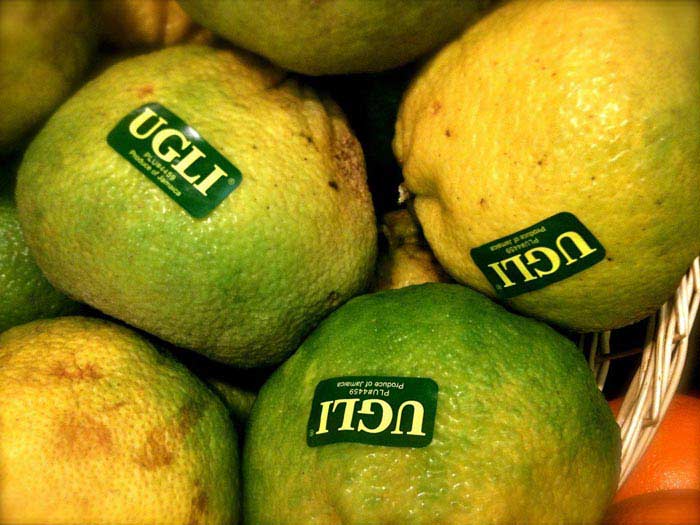
Ugli fruit, also known as Jamaican tangelo, is a naturally occurring citrus hybrid from Jamaica. It is generally considered to have originated from a cross involving tangerine or orange and grapefruit or pomelo. The fruit is usually somewhat larger than a typical tangerine and has a loose, wrinkled greenish-yellow peel. Despite its unusual appearance, the flesh is juicy and sweet with a pleasantly tangy flavor. It became commercially associated with Jamaica in the 20th century and is still one of the country’s best-known unusual citrus fruits.
2 Bergamot
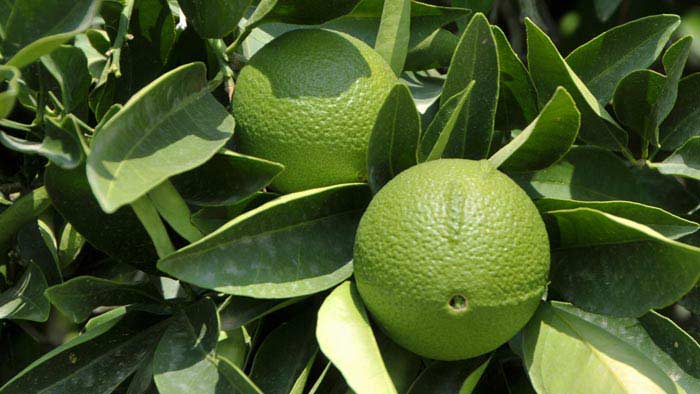
Bergamot is not just an ingredient used to flavor tea — it is a genuine citrus fruit. Bergamot is generally considered a hybrid involving sour orange and citron or lemon, although its exact parentage remains uncertain. The fruit has a strongly aromatic peel and very acidic flesh, which makes it unsuitable for eating like an ordinary orange. Instead, its fragrant peel is especially valuable for essential oil, perfumes and the characteristic flavor of Earl Grey tea. Bergamot is cultivated particularly in Calabria, Italy.
3 Gayanima
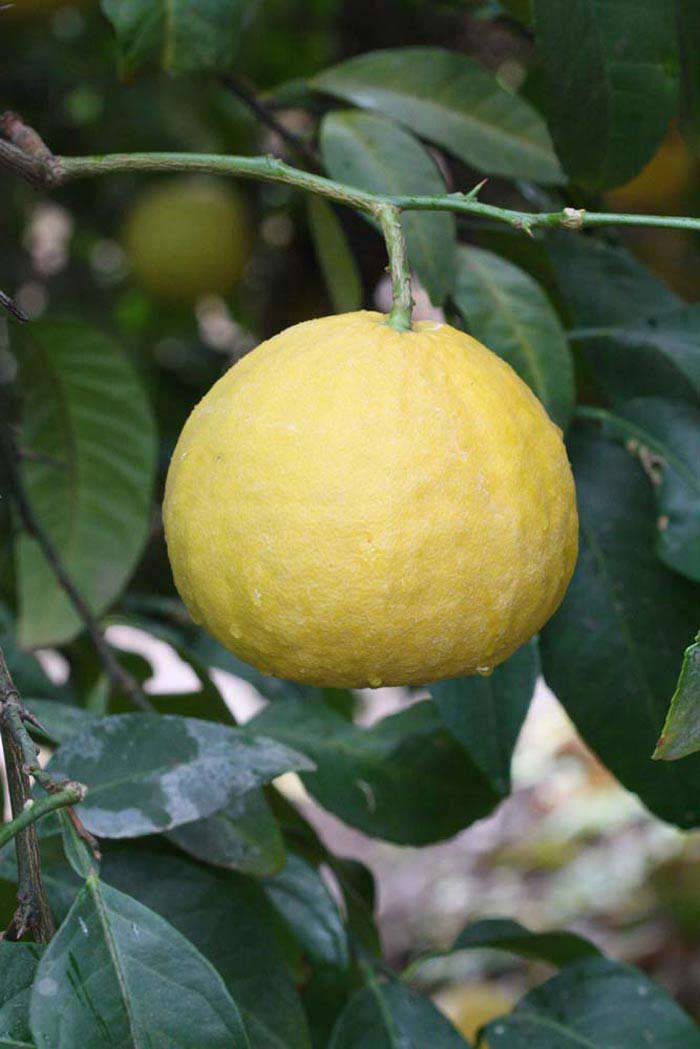
Gayanima is an unusual citrus associated with the Indian subcontinent and Southeast Asia. The fruit is highly acidic and aromatic and is used locally in cooking, including pickling and other preparations. Its strong aroma and sour flavor make it quite different from the sweet oranges and mandarins that are familiar to most people.
4 Clementine
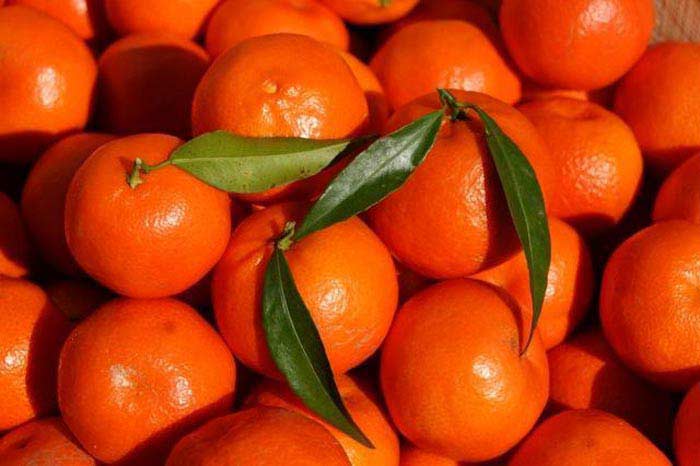
The clementine is a small, sweet citrus that originated in Algeria. It was noticed in the garden of an orphanage at Misserghin near Oran by the French botanist Louis Trabut and was named after Father Clément Rodier. Its exact genetic origin has been debated: it was traditionally described as a hybrid involving a Mediterranean mandarin and sour orange, while later research has suggested a more complicated history. Today, clementines are widely cultivated throughout the Mediterranean region and elsewhere.
5 Natsudaidai
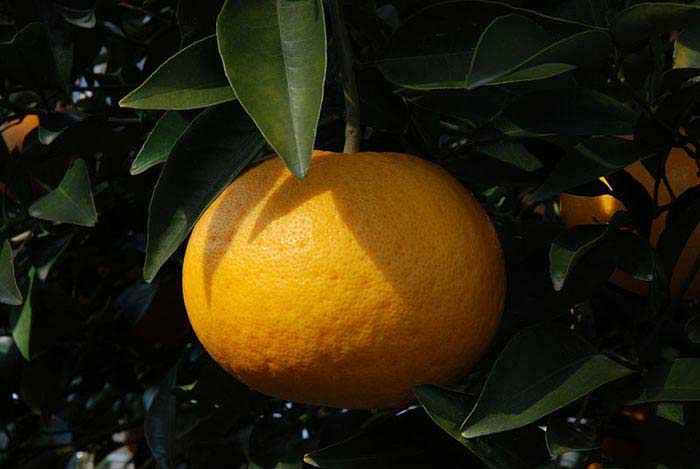
Natsudaidai is a Japanese citrus also known as natsumikan, or “summer mandarin.” It is a large, strongly acidic fruit traditionally associated with Yamaguchi Prefecture. Its exact parentage is uncertain, although it is believed to involve pummelo and another citrus species. The fruit is quite sour when freshly harvested and is commonly used in juices, desserts, marmalades and other preparations. The variety became an important part of the citrus-growing culture of Yamaguchi.
6 Finger Lime
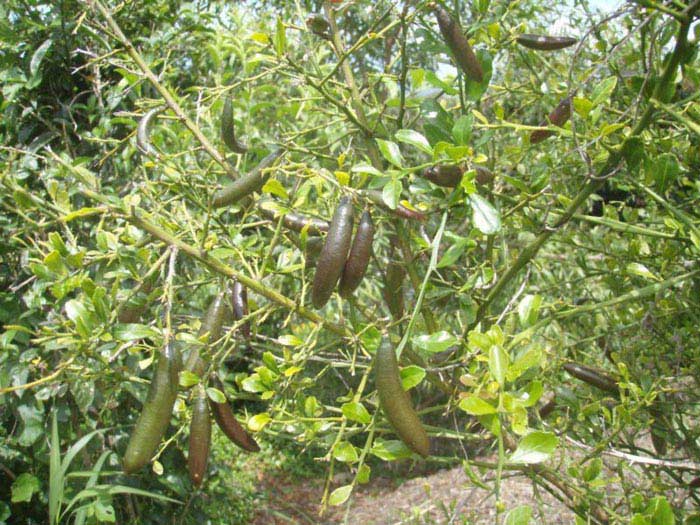
This fruit looks nothing like the ordinary limes most of us know. Finger lime is sometimes called “citrus caviar” because its flesh consists of tiny, juicy pearls that burst in the mouth. The elongated fruits come in several colors, including green, yellow, pink, red and dark shades. Native to the rainforests of southeastern Queensland and northern New South Wales in Australia, finger lime has become particularly popular in modern Australian cuisine. Chefs use its tart pearls in salads, seafood dishes, desserts, drinks and as a decorative garnish.
7 Ponkan (Suntara)
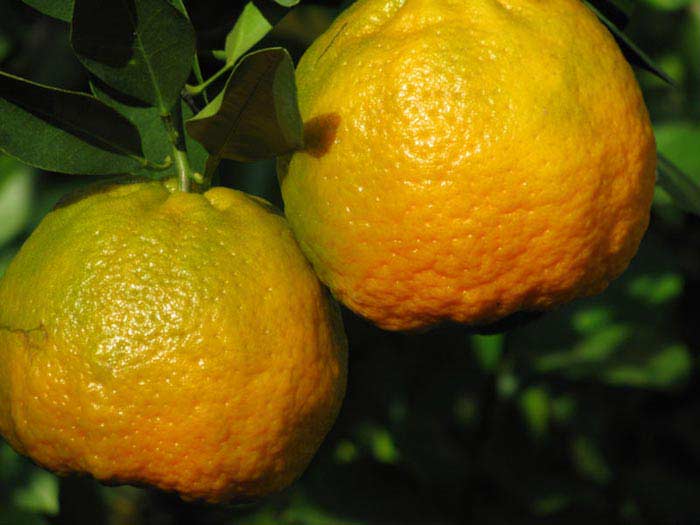
Ponkan is a variety of mandarin, botanically classified as Citrus reticulata. It is one of the most widely grown mandarins in the world and is especially important in China, India and Brazil. The fruit is usually large for a mandarin, with a loose, thick rind that peels easily. Its flesh is juicy, aromatic and pleasantly sweet, although Ponkan can contain quite a few seeds. In India, related forms are known as Nagpur suntara or santra.
8 Hassaku
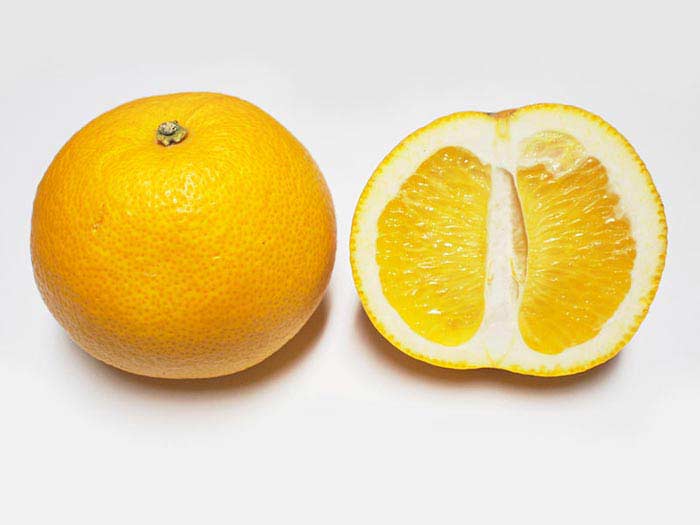
Hassaku is a distinctive Japanese citrus believed to be a natural hybrid of pomelo and mandarin. It was discovered near Jōdo Temple on Innoshima Island in Hiroshima Prefecture during the Edo period. The fruit has a flavor somewhere between orange, mandarin and grapefruit, with a sweet-and-sour taste and a slight bitterness. Hassaku is strongly associated with Hiroshima, where much of Japan’s production is concentrated. Traditionally, the fruit has also been stored for a period after harvest to improve its flavor.
9 Yuzu
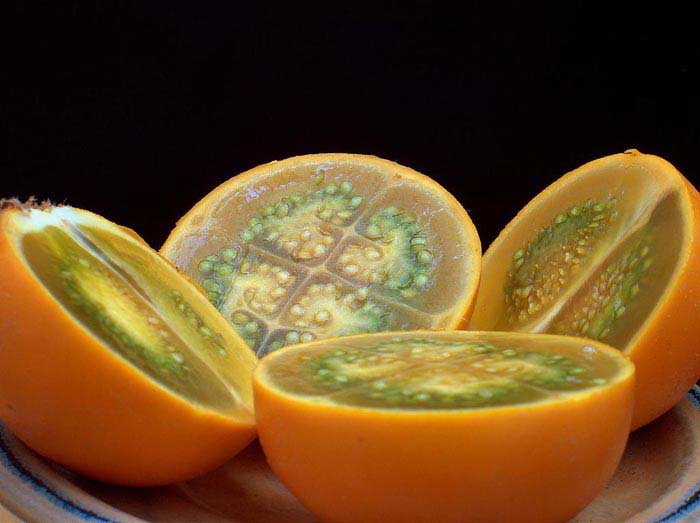
Yuzu is an aromatic East Asian citrus fruit best known in Japan and Korea. Its flavor is strongly tart and fragrant, with characteristics reminiscent of mandarin and grapefruit. Yuzu is rarely eaten as a fresh fruit because of its acidity and relatively small amount of juice. Instead, its zest and juice are widely used in sauces, dressings, desserts and drinks. In Japan, yuzu is also traditionally associated with winter and is famously used in hot yuzu baths.
10 Buddha’s Hand Citron
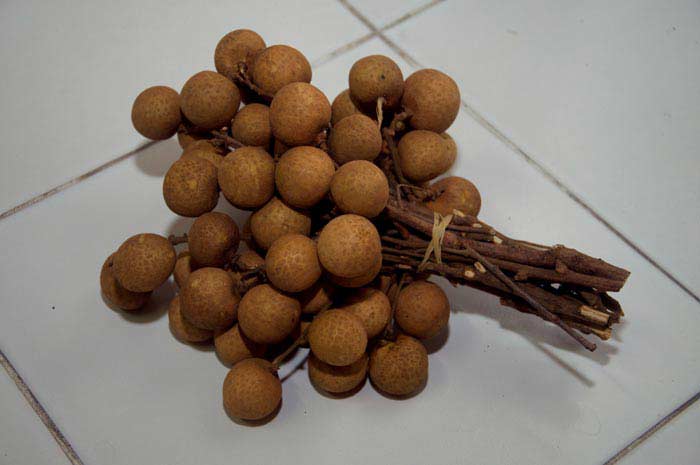
Buddha’s Hand is one of the strangest-looking members of the citrus family. It is a variety of citron whose fruit is divided into numerous finger-like segments, giving it its distinctive name. Unlike most citrus fruits, it contains little or no juicy pulp and often has no seeds. The thick, intensely fragrant peel is the main attraction and is used for zest, candied fruit, desserts, drinks and flavoring. Buddha’s Hand is particularly valued in Asian cuisine and as an aromatic ornamental fruit.
So, when traveling, don’t forget to try the local citrus fruits you are unlikely to find in an ordinary supermarket. Some of them may look strange, taste completely different from familiar oranges and lemons, or even have almost no edible pulp — but that is exactly what makes them interesting.

