When we think of grass, we usually imagine a soft green carpet that tickles our toes. But some members of this plant family are anything but small. Certain species grow taller than a two-storey house, while giant bamboo can reach the height of a ten-storey building. Some are even mistaken for trees. Here are 10 of the tallest grasses and grass-like plants in the world.
1 Giant bamboo – up to 35 metres
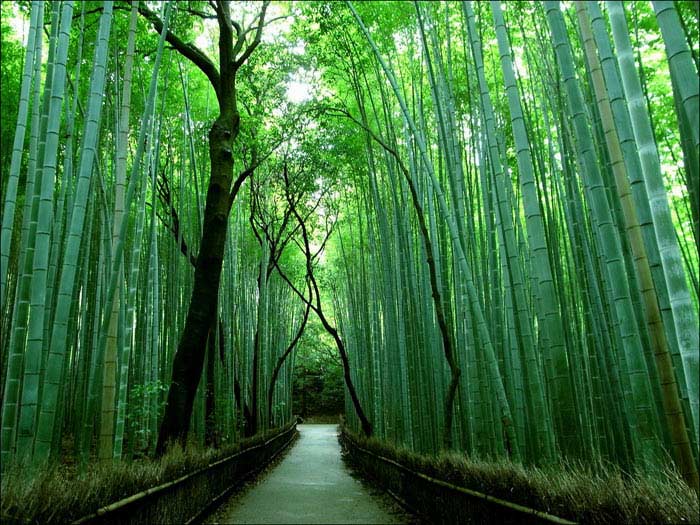
Bamboo is not a tree, despite its impressive height and woody stems. It is actually a member of the grass family, Poaceae, and the giant bamboo (Dendrocalamus giganteus) is one of its largest representatives. Native to Southeast Asia, it can reach 25-35 metres in height, with stems up to 30 centimetres in diameter. And its growth rate is just as impressive: under favourable conditions, young bamboo shoots can grow several dozen centimetres in a single day.
2 Giant reed – up to 8 metres
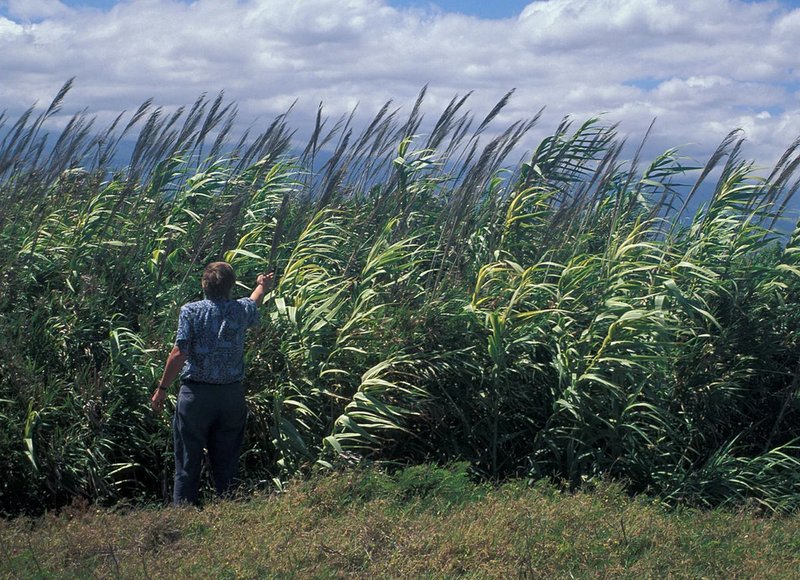
At first glance, giant reed (Arundo donax) looks like a smaller relative of bamboo. It forms dense stands of tall, hollow stems covered with long, elegant leaves. Native to the Mediterranean region and parts of Asia, it can reach around 4-8 metres in height under favourable conditions. For centuries, people have used its strong stems to make musical instruments, fishing rods, garden supports and even traditional building materials. However, there is a downside: in some regions, giant reed has become an invasive species, spreading rapidly along rivers and wetlands.
3 Elephant grass – up to 7.5 metres
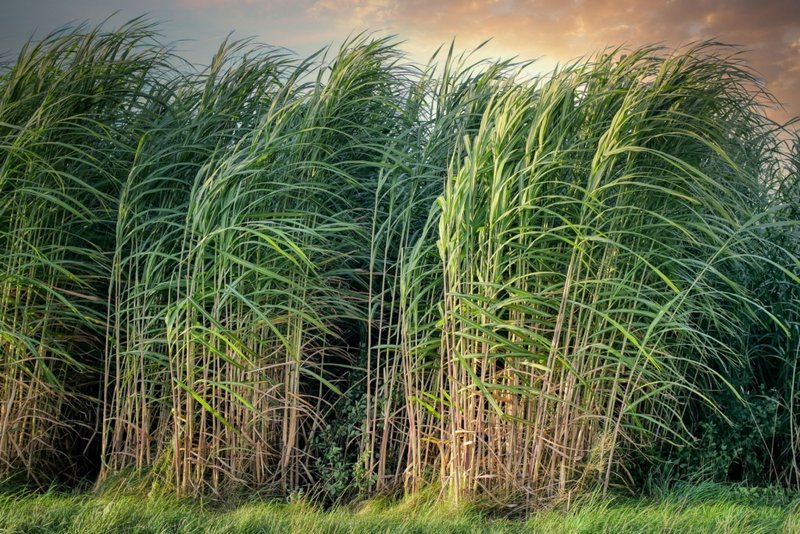
Elephant grass (Cenchrus purpureus), also known as Napier grass, is one of the tallest tropical grasses. Native to Africa, it can form enormous clumps of bamboo-like stems, sometimes reaching 7 metres or more in height. Its long leaves and dense growth make it particularly useful as animal fodder, especially for cattle and elephants. It is also cultivated for biomass production and soil conservation. Despite its impressive size, elephant grass is not a tree but a perennial plant that grows back from its roots.
4 Sugarcane – up to 6 metres
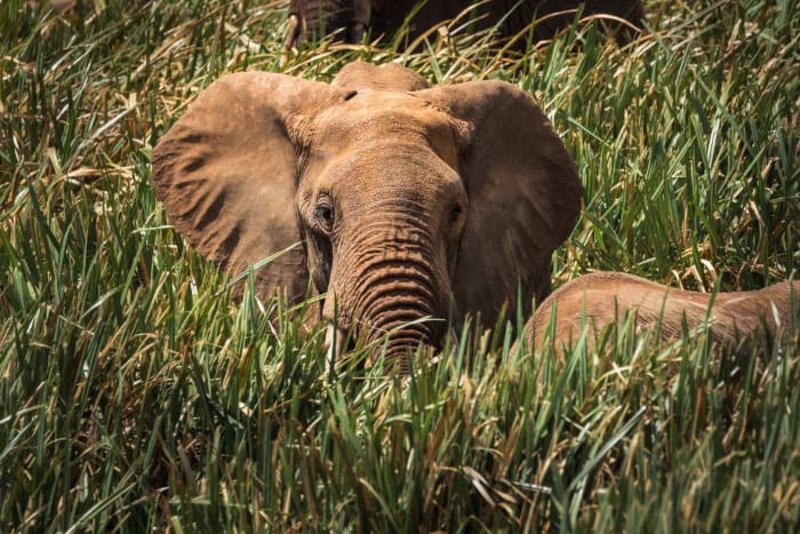
Sugarcane is probably the sweetest member of this ranking. This tropical perennial grass (Saccharum officinarum) can grow 3-6 metres tall, producing thick, juicy stems packed with sugar. It has been cultivated for thousands of years and remains one of the world’s most important agricultural crops. In fact, sugarcane accounts for a major share of global sugar production and is also used to make ethanol biofuel. So the next time you add sugar to your coffee, remember that it comes from a very tall grass.
5 Papyrus – up to 5 metres
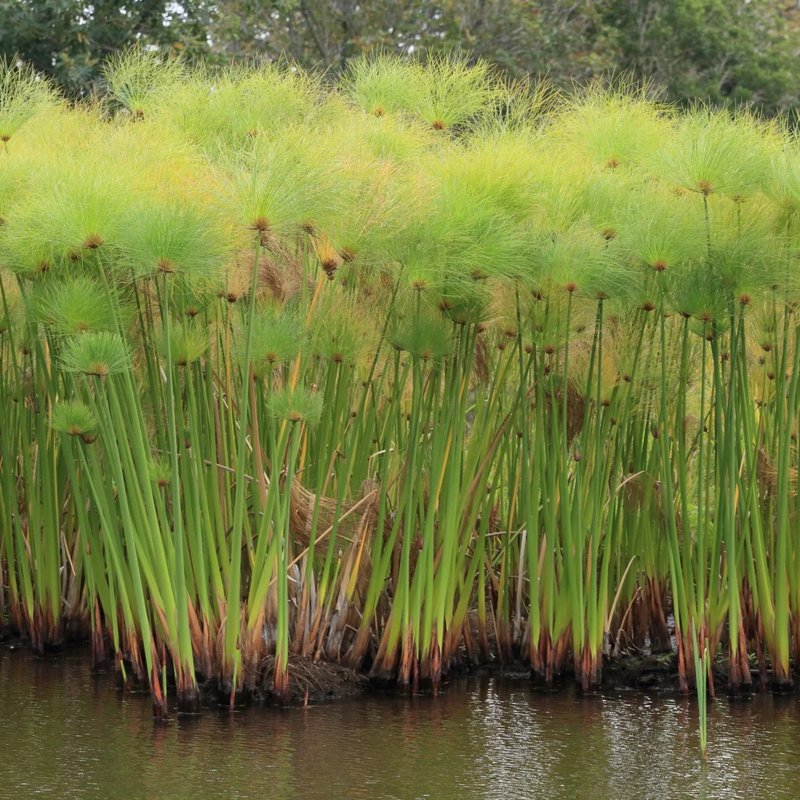
This is the famous plant of Ancient Egypt, although botanically speaking, papyrus (Cyperus papyrus) is a sedge rather than a true grass. It can reach around 5 metres in height, forming spectacular clusters of tall triangular stems topped with umbrella-like crowns of fine green rays. Ancient Egyptians used its stems to produce writing material, but that was far from its only purpose. Papyrus was also used to make boats, baskets, mats, sandals and even parts of houses. It remains one of the most recognizable plants associated with the ancient Nile civilization.
6 Giant miscanthus – up to 3.5 metres
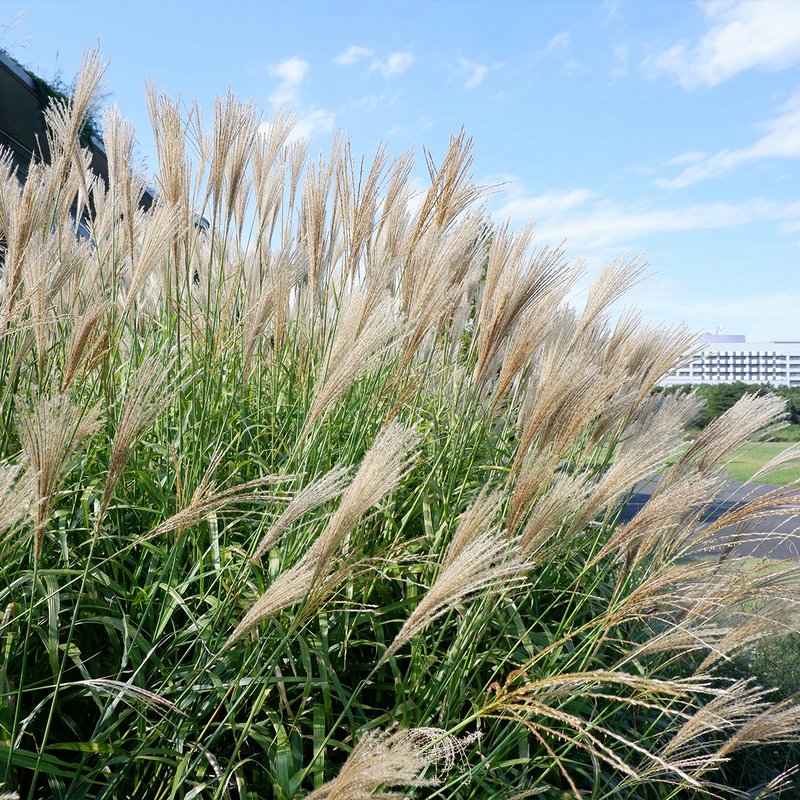
Giant miscanthus (Miscanthus × giganteus) is a hybrid perennial grass valued for both its impressive appearance and its industrial potential. It can grow to approximately 3-3.5 metres, forming dense clumps of upright stems with long, arching leaves. Originally developed from Asian parent species, it is now cultivated in Europe and elsewhere as an ornamental plant and a source of renewable biomass. Its stems can be harvested and used for heating, electricity generation and even building materials. Unlike many agricultural crops, established miscanthus plantations can remain productive for many years without annual replanting.
7 Common reed – up to 4 metres
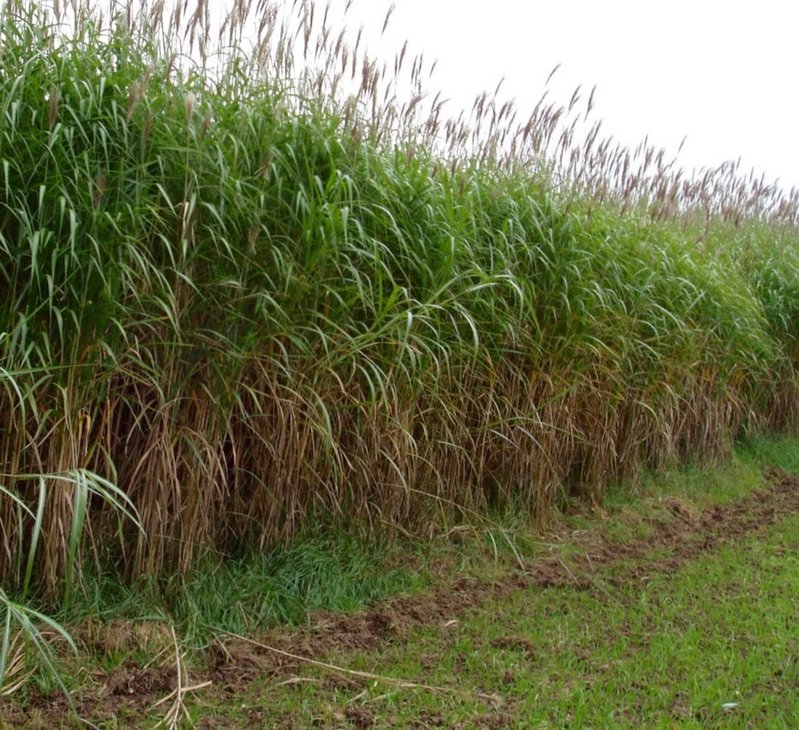
Common reed (Phragmites australis) is a familiar sight around lakes, rivers and marshes. It usually grows to 2.5-4 metres, although exceptional specimens can become taller. Its long underground rhizomes allow it to spread rapidly and create enormous reed beds. These wetlands are important habitats for birds, insects and other wildlife. Common reed also plays a valuable role in water purification, which is why it is frequently used in constructed wetlands and natural wastewater treatment systems.
8 Miscanthus floridulus – up to 4 metres
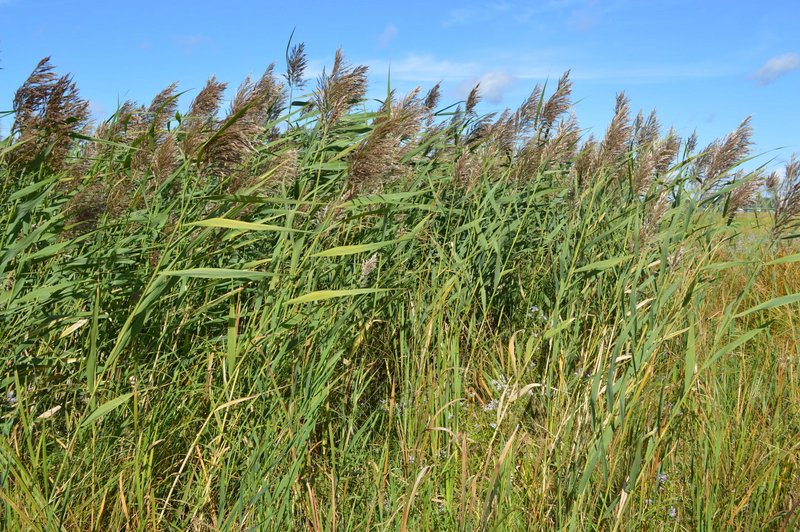
Miscanthus floridulus is a tall perennial grass native to parts of East and Southeast Asia and the Pacific. It can reach approximately 4 metres in height, producing strong upright stems and impressive feathery flower clusters. Its dense growth makes it useful for creating natural screens and decorative barriers in gardens. Unlike many ornamental grasses, this species can become a genuinely imposing plant, particularly when grown in warm, humid conditions.
9 Ravenna grass – up to 4 metres
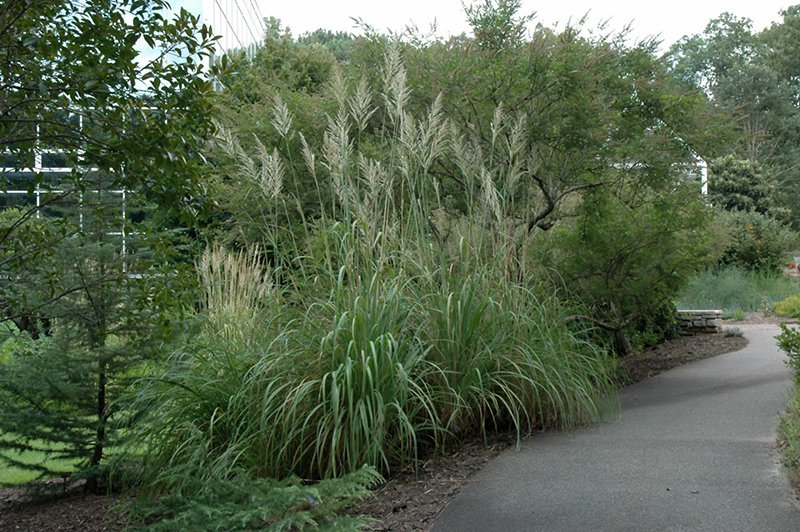
Ravenna grass (Saccharum ravennae), also known as giant woolly-beard grass, is one of the most impressive ornamental grasses. Native to the Mediterranean region and parts of Asia, it can reach 3-4 metres in height. Its tall flowering stems carry large, feathery plumes that turn silvery or pinkish as they mature. The plant is particularly attractive in late summer and autumn, when its flower heads rise well above the foliage. It is often planted as a natural screen, although its seeds can spread aggressively in suitable conditions.
10 Sudan grass – up to 3 metres
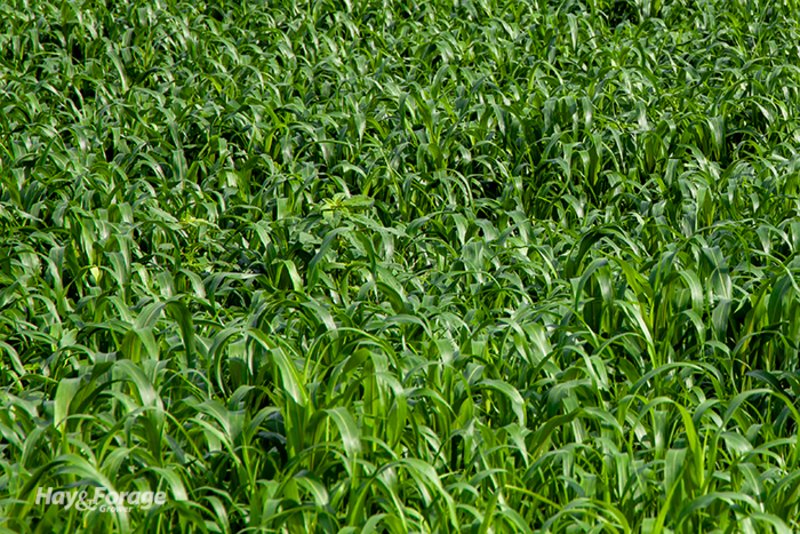
Sudan grass (Sorghum × drummondii), also known as sudangrass, is one of the most productive forage grasses. Originally associated with northeastern Africa, it is now cultivated in many warm regions around the world. It can grow up to 3 metres tall and is particularly valued for its rapid growth, drought tolerance and ability to produce large amounts of green fodder. Farmers use it for grazing, hay and silage, often harvesting it several times during a single growing season. It may not be the tallest plant on our list, but few grasses can compete with it when it comes to producing so much greenery so quickly.