I am lucky to live by the sea. I can swim every morning or take a walk along the waterfront. At the same time, I see how people pollute it: rubbish is thrown into rivers that flow into the sea, tourists leave waste on beaches, cigarette butts are buried in the sand and pebbles, and wastewater adds to the problem.
What we see on the shore is only part of the story. Marine pollution includes plastic, discarded fishing gear, chemicals, oil, sewage and agricultural runoff. Some waste floats on the surface, some washes ashore, and much of it sinks or breaks down into smaller particles. Plastics alone account for at least 85% of marine litter, according to the United Nations Environment Programme.
There is no universally accepted ranking of the world’s dirtiest seas. Pollution levels vary considerably between regions, and a sea that has relatively clean open waters may still have heavily contaminated coastal areas. The following list highlights ten marine areas facing serious environmental pressures. It is a reminder of how human activity can damage even the most beautiful natural environments.
1 Gulf of Mexico
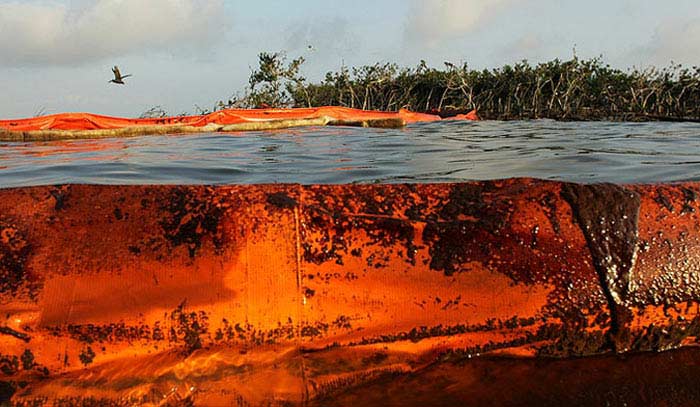
The Gulf of Mexico faces several major environmental threats, including agricultural runoff, oil pollution, industrial activity and marine litter. One of its best-known problems is the seasonal oxygen-depleted area near the mouth of the Mississippi River.
Fertilisers washed from farms into rivers carry excess nitrogen and phosphorus into the Gulf. These nutrients encourage algae to grow rapidly. When the algae die and decompose, they consume oxygen in the water, creating a so-called dead zone where many marine animals struggle to survive. The size of this zone changes from year to year, but it remains a serious ecological concern.
2 Mediterranean Sea

The Mediterranean is one of the world’s most heavily used seas. Its coastline is shared by numerous countries, and millions of people live, work and spend their holidays along its shores.
Intensive tourism, shipping, fishing, urban wastewater and plastic waste all put pressure on the ecosystem. The sea’s relatively limited exchange of water with the Atlantic Ocean also makes some pollutants harder to disperse.
Plastic pollution is a particularly serious problem. Floating debris, abandoned fishing gear and microplastics threaten marine animals, while coastal areas near large cities and river mouths can experience additional contamination. The Mediterranean’s beautiful beaches do not tell the whole environmental story.
3 Black Sea
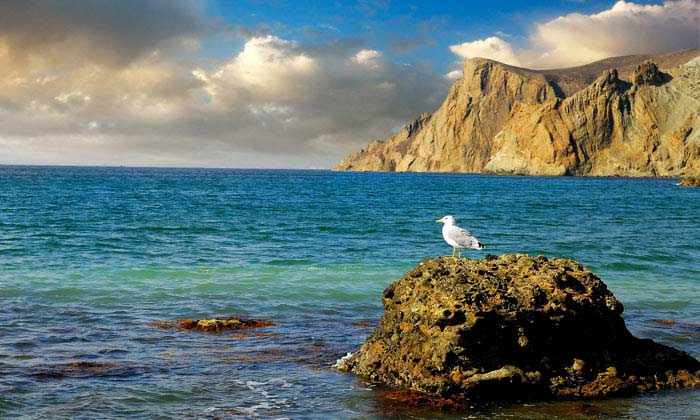
The Black Sea is particularly vulnerable to pollution because it receives water from several large rivers, including the Danube, Dnieper and Dniester. These rivers transport nutrients, agricultural chemicals, industrial pollutants and plastic waste from extensive inland areas.
Excess nutrients can cause eutrophication: an overgrowth of algae followed by oxygen depletion as organic matter decomposes. The Black Sea also has a distinctive natural structure. Its deep waters contain high concentrations of hydrogen sulphide and are naturally unsuitable for most oxygen-dependent marine life. This is not itself evidence of human pollution, but it makes the sea’s ecology unusual and sensitive to environmental changes.
4 Baltic Sea
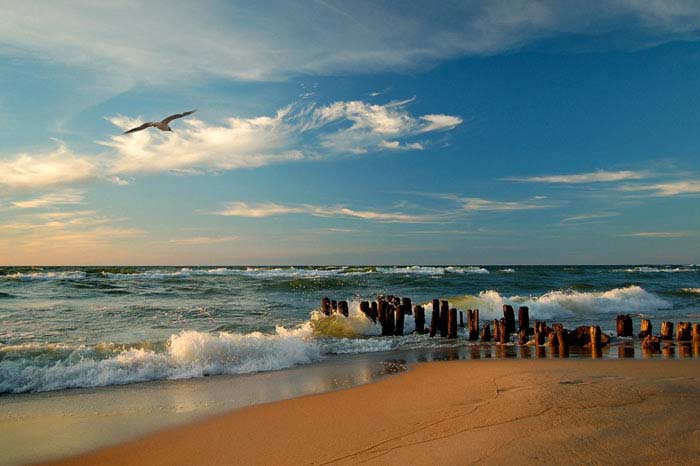
The Baltic Sea is one of the world’s most vulnerable marine ecosystems. It is relatively shallow, has limited water exchange with the North Sea and receives pollution from a large, densely populated drainage basin.
Agricultural runoff and wastewater contribute to eutrophication, which causes excessive algae growth and oxygen depletion in deeper areas. Some parts of the seabed have suffered from long-lasting low-oxygen conditions.
Another unusual legacy is the chemical ammunition dumped after the Second World War. According to HELCOM, around 40,000 tonnes of chemical munitions were dumped in the Baltic Sea, containing an estimated 15,000 tonnes of chemical warfare agents. These materials remain a potential hazard, particularly for fishermen and offshore workers. However, this does not mean that the entire sea is contaminated with chemical weapons.
5 South China Sea
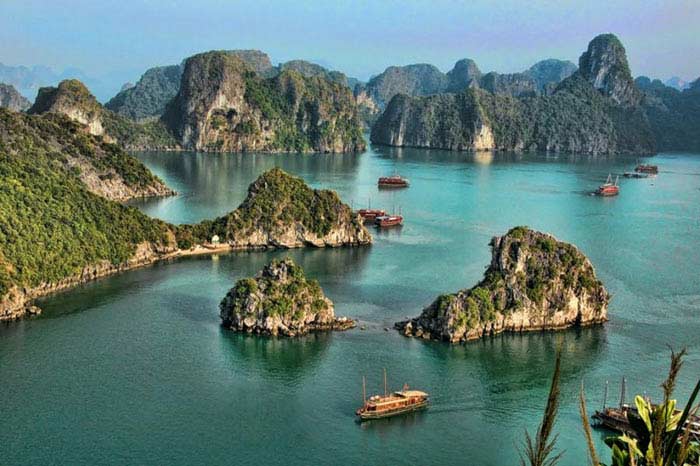
The South China Sea is one of the world’s busiest maritime regions. It is crossed by major international shipping routes and surrounded by rapidly developing coastal economies.
Industrial wastewater, plastic waste, coastal construction, overfishing and intensive fishing practices all place pressure on its marine ecosystems. Coral reefs are particularly vulnerable: pollution and sediment from coastal development can damage them, while warming oceans increase the risk of coral bleaching.
Some coastal areas also experience harmful algal blooms, which can discolour the water and damage marine life. These events are influenced by several factors, including nutrient pollution, water temperature and ocean conditions.
6 Sea of Azov
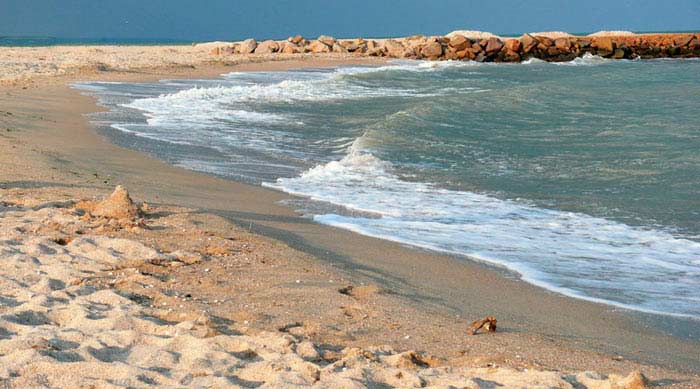
The Sea of Azov is one of the shallowest seas in the world. Its average depth is only around 7 metres, making it particularly sensitive to changes in water temperature, oxygen levels and pollution.
Rivers flowing into the sea carry agricultural runoff, wastewater and industrial pollutants. During hot periods, high water temperatures and excessive algae growth can contribute to oxygen depletion and fish deaths.
Its shallow waters and limited ability to dilute pollutants make the Sea of Azov especially vulnerable to environmental pressure. Industrial activity, shipping and damage to coastal habitats add to the problem.
7 Laccadive Sea
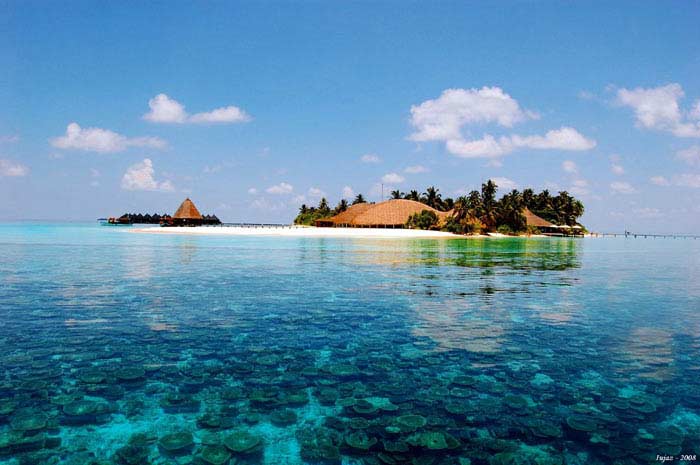
The Laccadive Sea, also known as the Lakshadweep Sea, lies between the southwestern coast of India, Sri Lanka and the Maldives. Its tropical waters contain important coral reefs, seagrass beds and habitats for many marine species.
However, coastal development, untreated wastewater, plastic waste, shipping and fishing put increasing pressure on these ecosystems. Areas near densely populated coastal cities and ports are particularly exposed to pollution.
Coral reefs are also threatened by rising sea temperatures and bleaching events. Because these habitats support a wide variety of marine life and help protect coastlines, their degradation can have consequences far beyond the reefs themselves.
8 Sea of Japan
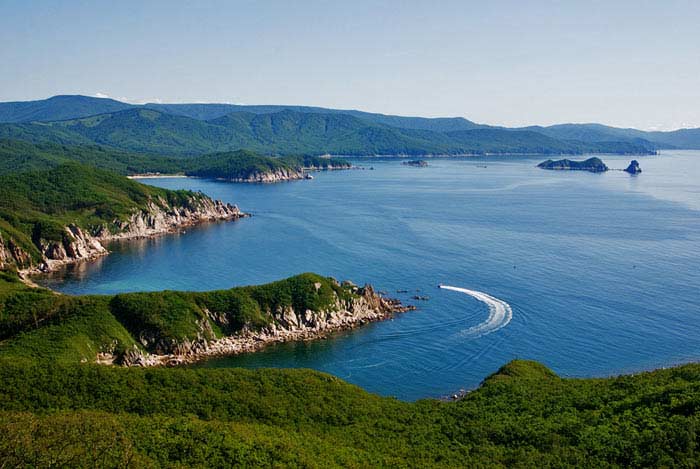
The Sea of Japan, also known as the East Sea, is surrounded by several industrialised countries and crossed by busy shipping routes. Its environmental challenges include plastic pollution, wastewater, industrial discharges and oil-related contamination.
Marine litter can travel long distances with ocean currents, accumulating along coastlines far from where it originally entered the water. Abandoned fishing equipment is another threat, as it can continue trapping fish, seabirds and other marine animals.
The sea is also affected by broader environmental changes, including warming waters and shifts in marine ecosystems. Pollution levels differ significantly between coastal locations, so it would be misleading to describe the entire sea as equally contaminated.
9 Caspian Sea
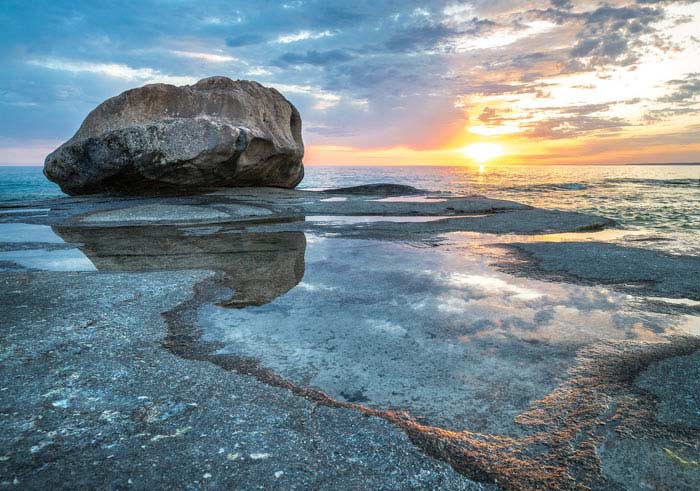
Although it is technically the world’s largest enclosed inland body of water rather than a sea connected to the oceans, the Caspian deserves a place on this list.
Oil and gas extraction, industrial wastewater, agricultural runoff and urban pollution all affect its environment. The Volga River, which supplies much of the Caspian’s freshwater, also transports pollutants from a vast drainage basin.
The Caspian is home to unique wildlife, including the endangered Caspian seal and several species of sturgeon. Pollution, habitat degradation, overfishing and falling water levels threaten this fragile ecosystem. Its isolation means that pollutants entering the basin have no direct route out to the world’s oceans.
10 Red Sea
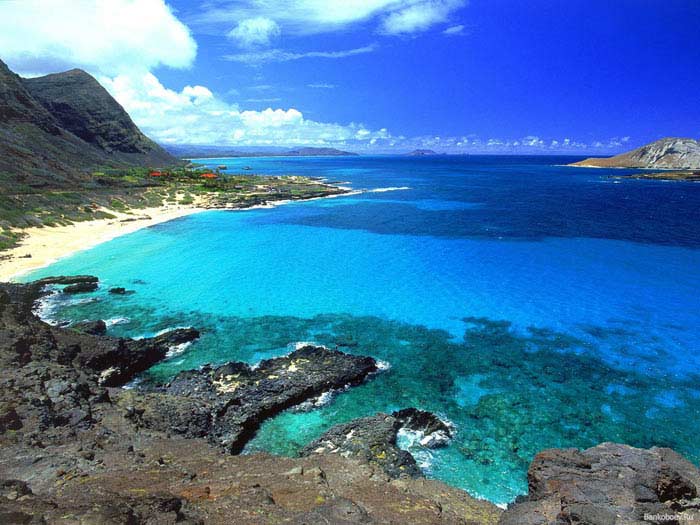
The Red Sea is famous for its exceptionally clear waters and colourful coral reefs. However, its marine environment faces growing pressure from tourism, shipping, coastal construction, wastewater and oil-related activities.
Coral reefs are especially sensitive to pollution and physical damage. Anchoring, careless diving, coastal development and untreated sewage can harm reef habitats, while rising sea temperatures create an additional threat.
The Red Sea’s naturally warm and relatively salty waters support distinctive marine ecosystems. Some of its coral reefs show remarkable heat tolerance, but this does not make them immune to local pollution or other human impacts.
The growing number of coastal resorts and tourist facilities makes responsible waste management increasingly important. Protecting the Red Sea means protecting not only its spectacular underwater landscapes but also the livelihoods of communities that depend on them.