Throughout history, people have collected almost everything imaginable. Some collections have eventually grown into museums devoted to subjects that are anything but ordinary. Here is our selection of ten of the world’s most unusual museums.
1 Museum of Medieval Torture Instruments
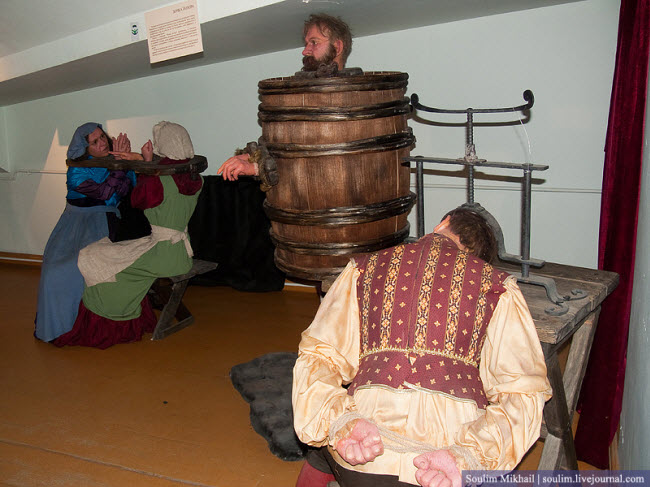
Located in the heart of Prague, the Museum of Medieval Torture Instruments presents a collection devoted to the grim history of torture and punishment.
The exhibition contains numerous replicas and historical representations of torture devices associated with medieval Europe and the Inquisition. Many of the displays are accompanied by illustrations showing how the instruments were supposedly used. The museum has operated in Prague since 1998 and is located near the Charles Bridge.
2 Museum of the Souls of Purgatory

This tiny museum in Rome is one of the strangest religious collections you can visit. The Museum of the Souls of Purgatory is housed beside the sacristy of the neo-Gothic Church of the Sacred Heart of Suffrage.
The collection was created through the efforts of French missionary Victor Jouet, who became convinced that deceased souls in Purgatory could communicate with the living. The museum contains documents, clothing and other objects associated with alleged supernatural encounters and “fire imprints.”
These exhibits are presented as religious testimonies rather than scientifically established proof of an afterlife. The museum’s unusual collection originated with events surrounding a fire in the church in 1897.
3 Mütter Museum

Philadelphia is home to one of the world’s most unusual medical museums: the Mütter Museum of the College of Physicians of Philadelphia.
Its collection contains more than 25,000 objects, including preserved human specimens, anatomical materials, medical instruments, models and other artifacts relating to the history of medicine. Some exhibits document rare diseases, unusual anatomical conditions and medical abnormalities.
The museum’s collections include both real preserved human specimens and models, making it a fascinating — and sometimes unsettling — place to explore the history of the human body and medical science.
4 International UFO Museum and Research Center
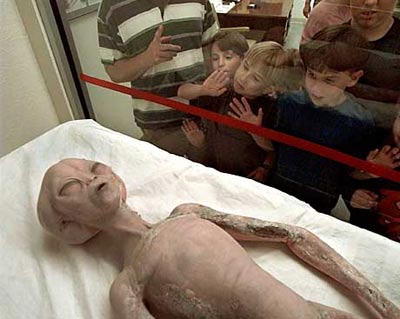
This unusual museum is located in Roswell, New Mexico, a town forever associated with the famous 1947 Roswell Incident.
The International UFO Museum and Research Center collects and presents documents, photographs, accounts and other materials relating to the Roswell Incident and other unexplained phenomena associated with UFO research.
The museum does not claim that extraterrestrial visitors have been scientifically proven. Instead, it explores the history, claims and controversy surrounding UFO phenomena and the events that made Roswell famous around the world.
5 Winchester Mystery House
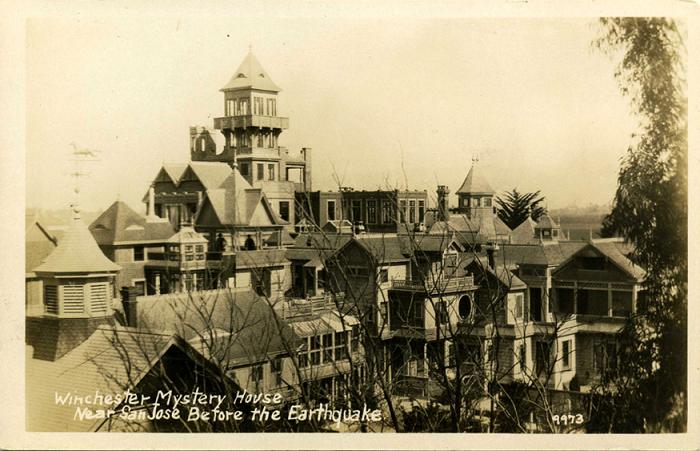
The Winchester Mystery House in San Jose, California, is not a conventional museum, but it is certainly one of the strangest historic houses in the world.
Sarah Winchester, widow of William Wirt Winchester and heiress to the Winchester rifle fortune, began transforming an eight-room farmhouse in 1886. Construction continued for 36 years, until her death in 1922, eventually creating a bizarre 160-room mansion with thousands of windows and doors, unusual staircases and numerous architectural curiosities.
According to a famous legend, Sarah Winchester believed that the spirits of people killed by Winchester rifles were seeking revenge and that she had to keep building in order to appease them. The historical evidence for this explanation is much less certain than the legend suggests, but the story has become an integral part of the house’s identity.
6 Museum of Bad Art
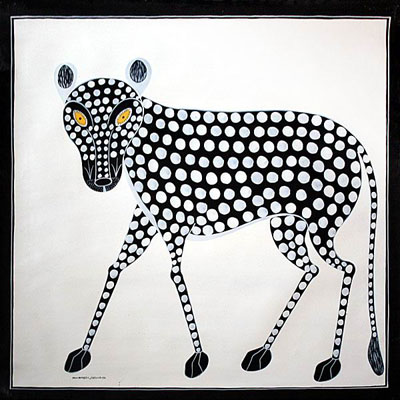
Everyone has heard of museums filled with masterpieces. But what about a museum dedicated to art that is simply… bad?
That is the idea behind the Museum of Bad Art, or MOBA. Its collection celebrates works that would probably never be welcomed by a traditional art museum. The museum describes itself as the world’s only institution dedicated to collecting, exhibiting and celebrating art that is “too bad to be ignored.”
The museum currently has a gallery in Boston, where visitors can enjoy an entirely different approach to the world of art.
7 Museum of Russian Superstitions
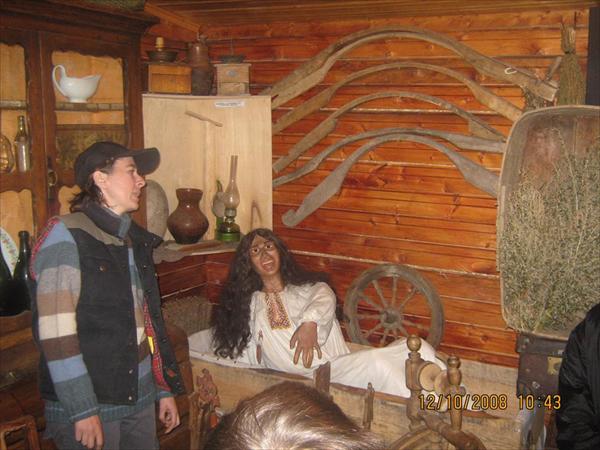
On the Curonian Spit in the Kaliningrad Region, visitors can find a small museum devoted to Russian folklore, traditional beliefs and supernatural characters.
The Museum of Russian Superstitions contains around 80 wooden figures representing characters from Slavic folklore, including Baba Yaga, Kikimora and Leshy. The collection was created by woodcarver Mikhail Semyonov and was designed to introduce visitors to traditional beliefs and folk culture through wooden sculpture.
8 Mammoth Museum
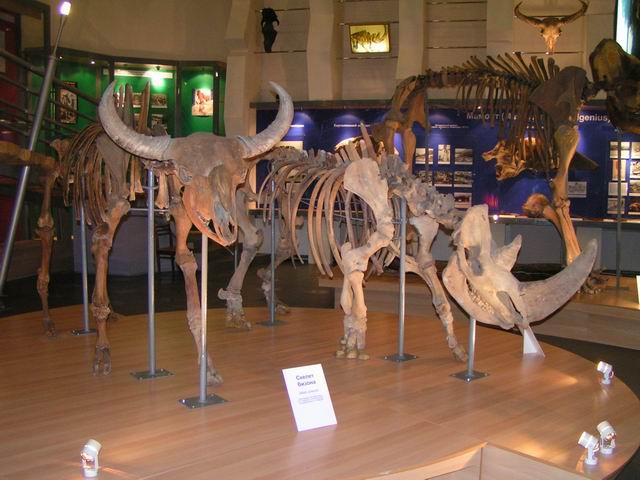
It is hardly surprising that one of the world’s most remarkable mammoth museums is located in Yakutsk, in the Republic of Sakha.
The Mammoth Museum was established in 1991 as a scientific and cultural center devoted to the study of mammoth fauna and the environment of the Ice Age. Yakutia has produced an extraordinary number of discoveries of mammoths and other Ice Age animals, including woolly rhinoceroses, bison, musk oxen and cave lions.
The museum’s collections include fossils, skeletons and exceptionally well-preserved remains discovered in the permafrost of northeastern Siberia.
9 Museum of New Year and Christmas Toys
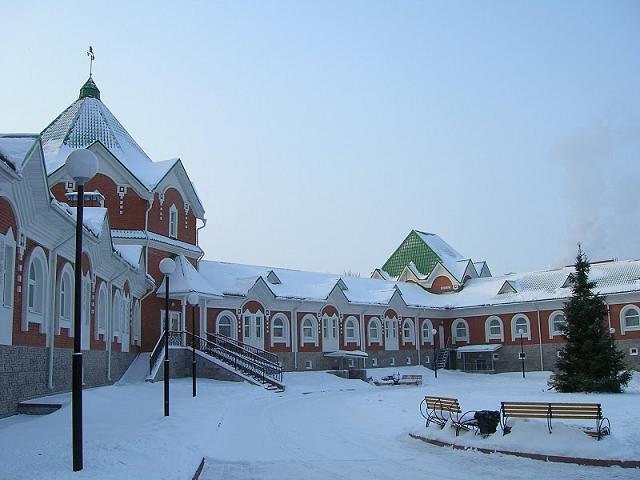
In the Russian town of Veliky Ustyug, visitors can step into a world of Christmas and New Year nostalgia at the Museum of New Year and Christmas Toys.
The collection contains decorations from different periods, allowing visitors to see how Christmas trees and holiday traditions changed over the decades. Among the exhibits are toys dating back to the beginning of the 20th century, as well as decorations that will be familiar to visitors who grew up during the Soviet era.
10 Museum of Soviet Arcade Machines
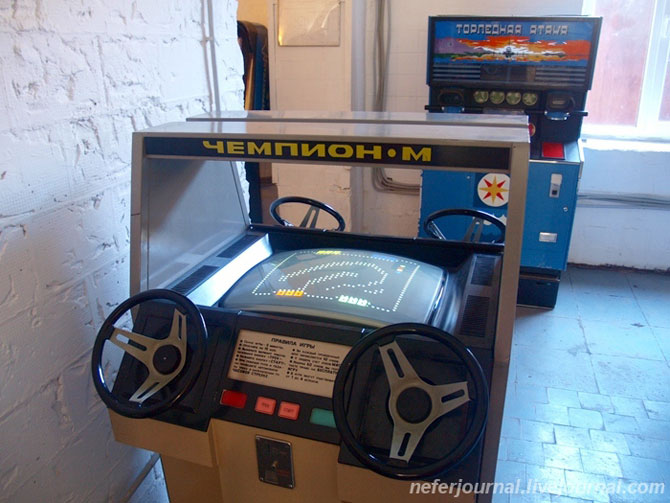
The Museum of Soviet Arcade Machines offers a nostalgic journey into the world of Soviet-era entertainment.
Its collection includes dozens of working arcade machines produced in the USSR from the 1970s through the 1990s. Visitors can play games such as “Sea Battle,” “Townships,” “Highway” and “Sniper,” using the traditional 15-kopek coins supplied with admission.
The museum is interactive rather than simply observational: visitors can actually play the machines and learn how the technology was designed and manufactured. Today the museum operates locations in both Moscow and St. Petersburg.