The Nobel Prize is one of the most prestigious awards in the world, recognizing outstanding achievements in science, literature and the pursuit of peace. Some countries have managed to build remarkable traditions of scientific research and intellectual achievement, while others have produced Nobel laureates despite having relatively small populations.
1 United States – 406

It is hardly surprising to see the United States at the top of this ranking. The country has some of the world’s leading universities, research institutions and a remarkable concentration of talented scientists. American universities and laboratories have attracted researchers from all over the world, helping the country maintain its leading position in science and technology. The United States has particularly strong results in medicine, physics, chemistry and economics.
2 United Kingdom – 135
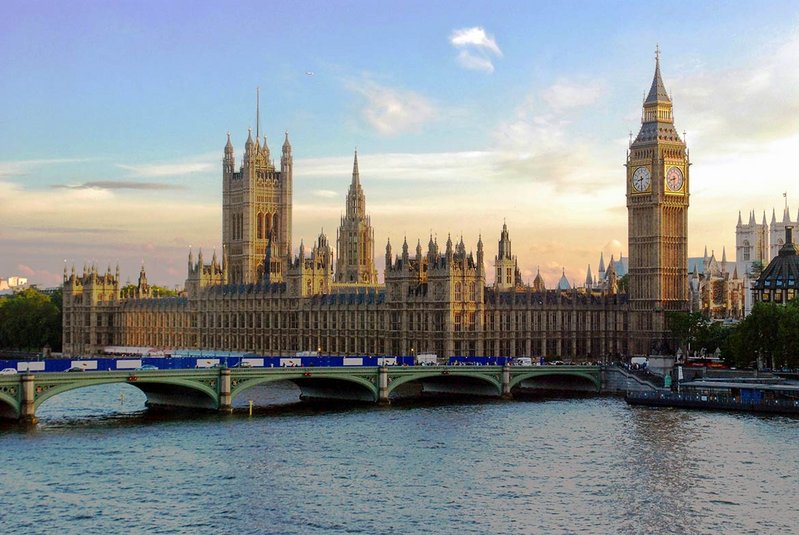
The United Kingdom is home to some of the world’s most prestigious universities, including Oxford and Cambridge, as well as numerous internationally recognized research institutions. British scientists have made outstanding contributions to physics, chemistry and medicine. The country also has a particularly strong literary tradition, with several Nobel Prize winners in literature, including Rudyard Kipling, William Golding and Kazuo Ishiguro.
3 France – 65

France has a long tradition of scientific and cultural achievements, with Nobel laureates in almost every major category. Among its most famous winners are Marie Curie and her husband Pierre Curie, who received the Nobel Prize in Physics together in 1903. Marie Curie later received a second Nobel Prize, this time in Chemistry, in 1911. Another remarkable French literary figure was Jean-Paul Sartre, who famously declined the Nobel Prize in Literature in 1964.
4 Germany – 51
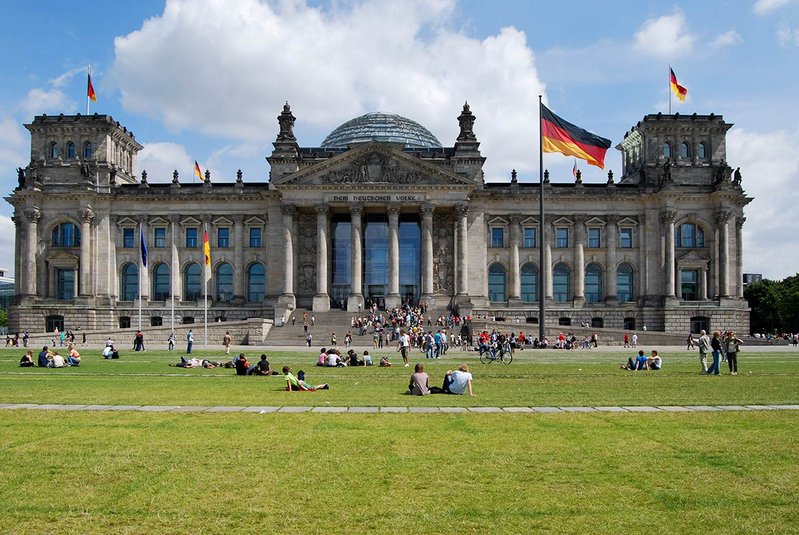
Germany has made an enormous contribution to modern science and remains one of the most important centers of scientific research in the world. Its Nobel laureates include some of the most influential scientists in history, such as Max Planck, Albert Einstein and Otto Hahn. German achievements are particularly impressive in physics and chemistry. Historical German states, including West Germany, are listed separately in this statistical ranking.
5 Sweden – 34
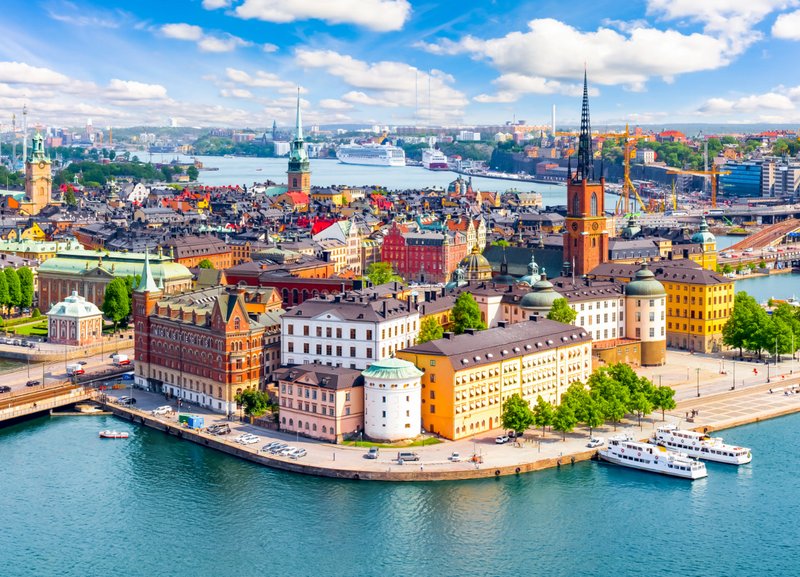
Sweden has a special place in the history of the Nobel Prize, as it is the home country of Alfred Nobel, the scientist and inventor who established the awards. Despite its relatively small population, Sweden has produced an impressive number of laureates. One of its early winners was Svante Arrhenius, who received the Nobel Prize in Chemistry in 1903. In 1982, Alva Myrdal received the Nobel Peace Prize for her work on disarmament.
6 Switzerland – 27

If the number of Nobel laureates were measured against population, Switzerland would be among the world’s most successful countries. It has an outstanding scientific reputation and is home to internationally respected research institutions, including ETH Zurich. Its famous laureates include Albert Einstein, who received the Nobel Prize in Physics in 1921, and Hermann Hesse, who was awarded the Nobel Prize in Literature in 1946.
7 Japan – 26
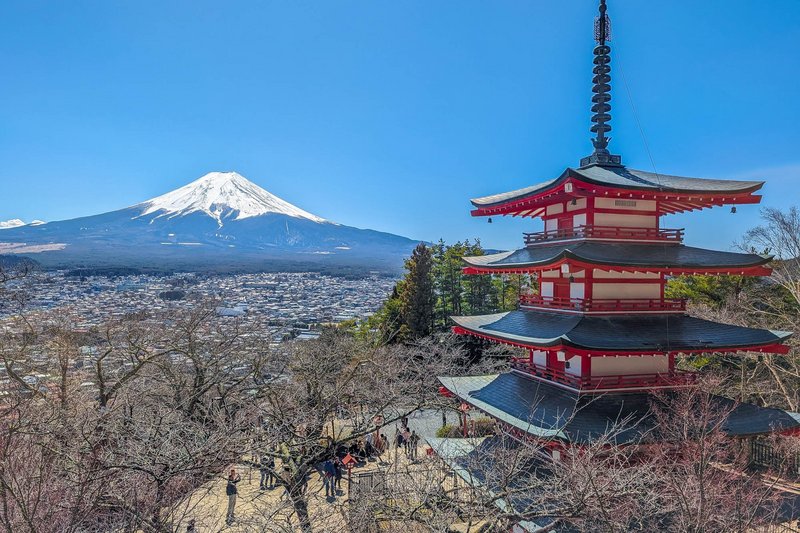
Japan has become one of the world’s leading countries in scientific research, particularly in physics and chemistry. Its first Nobel laureate was Hideki Yukawa, who received the Nobel Prize in Physics in 1949 for his prediction of the existence of mesons. Since then, Japanese researchers have achieved remarkable success in several scientific fields, reflecting the country’s long-term investment in education, technology and research.
8 Italy – 21
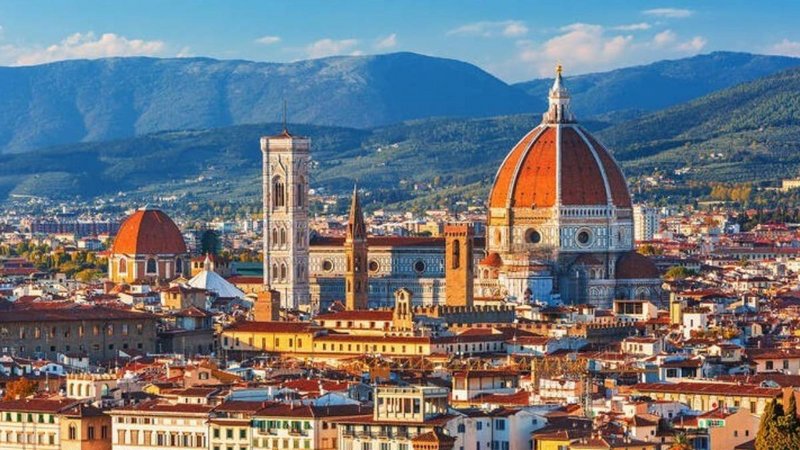
Italy has a long tradition of scientific discoveries, literature and cultural achievements. Among its most famous Nobel laureates are physicist Enrico Fermi, who received the Nobel Prize in Physics in 1938, and writer Grazia Deledda, who became the first Italian woman to receive the Nobel Prize in Literature in 1926. Italian researchers have made particularly important contributions to physics and medicine.
9 Netherlands – 19
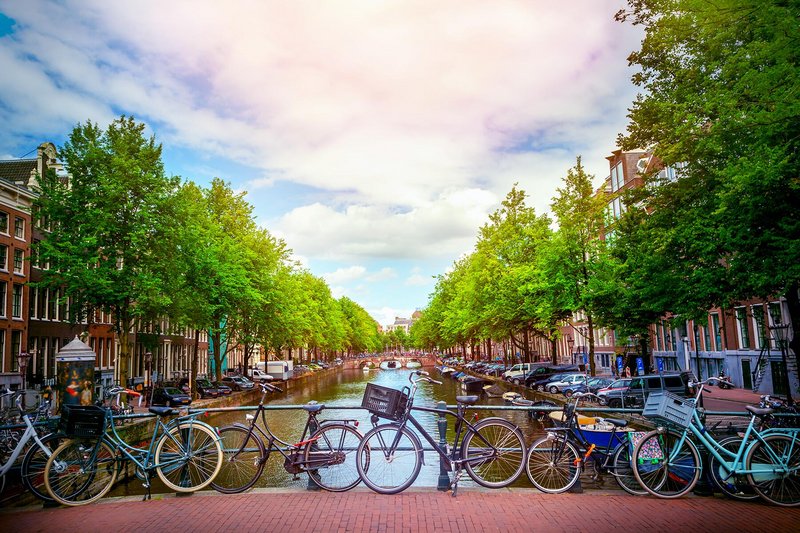
Another relatively small country with an impressive scientific tradition is the Netherlands. Dutch researchers have made particularly important contributions to physics and chemistry. Among its early Nobel laureates were physicists Hendrik Lorentz and Pieter Zeeman, who jointly received the Nobel Prize in Physics in 1902 for their research into the influence of magnetism on radiation.
10 Canada – 18
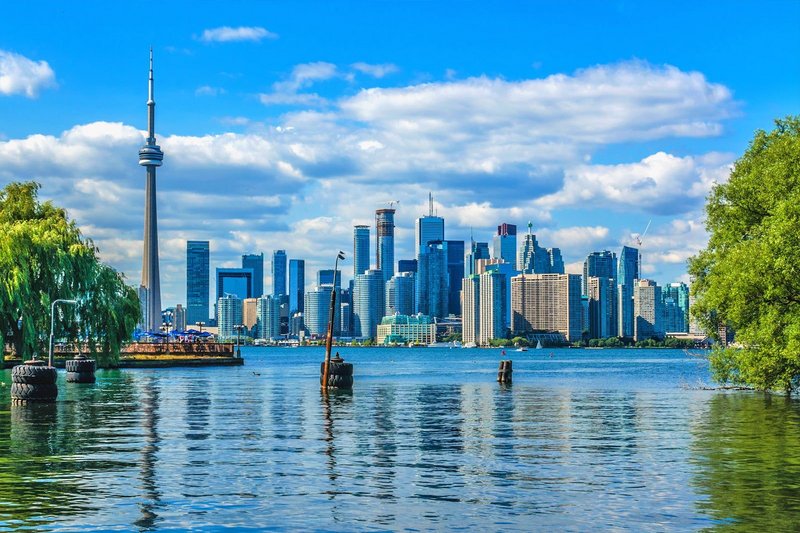
Canada has also made a significant contribution to science and literature, with Nobel laureates recognized in several different categories. Its achievements include important discoveries in physics, chemistry and medicine. Among its well-known laureates are Willard Boyle, who received the Nobel Prize in Physics in 2009, and Jack Szostak, who shared the Nobel Prize in Physiology or Medicine in the same year.
A note about Russia and the Soviet Union These two states should not be treated as one country. According to the same historical country classification, the Soviet Union is associated with 15 laureates, while the Russian Federation has 8. Neither appears in the top ten when the historical states are listed separately. This is quite different from combining Soviet and Russian achievements into a single figure.