Anyone who thinks cats are merely decorative animals, suitable only for cat shows-or that their only duty is catching mice-is missing a lot. Cats have lived alongside humans for thousands of years, but in the modern era of urban life, people have found them some unusual “jobs.” And cats, for their part, have developed plenty of unexpected habits and talents of their own.
1 The kleptomaniac
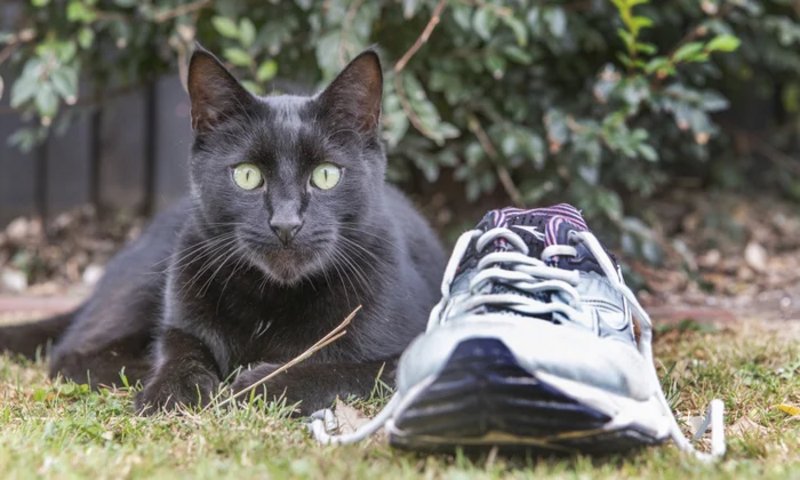
Dusty, a cat from San Mateo, California, became famous for bringing home things that belonged to his neighbors. For several years, he went prowling at night and returned with all kinds of unexpected “trophies.” His owners estimated that he had brought home more than 600 items, including towels, gloves, shoes, toys, swimsuits and even underwear. On one particularly productive night, he reportedly returned with 11 items.
Dusty’s neighbors knew where to go when something went missing-and, according to news reports, they generally didn’t plan to call the police. His story earned him the nickname “Klepto Kitty” and made him a minor celebrity.
2 The cat burglar’s accomplice
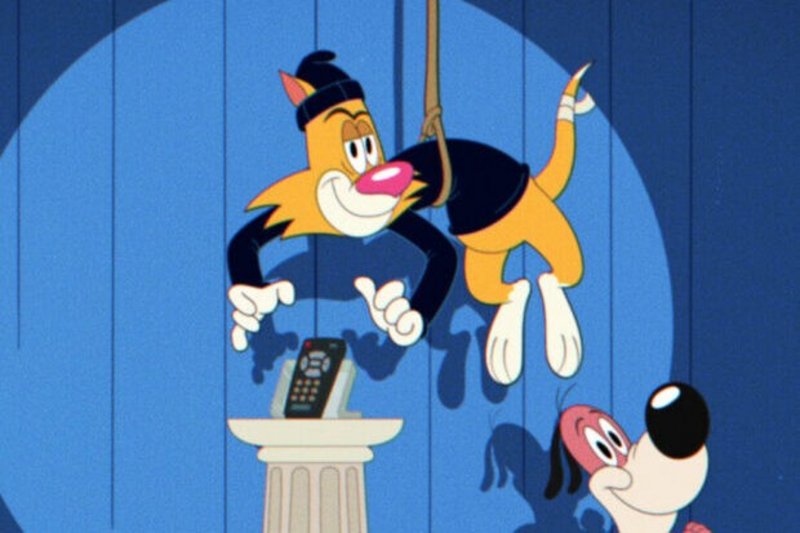
A much less charming tale describes thieves using cats to steal clothes and bedding left out to dry on balconies. In the story, a thief would tie a rope to a cat and toss the animal onto a hard-to-reach balcony. The cat would claw at the hanging laundry, and the thief would pull it-and the stolen items-back down using the rope.
It’s a memorable bit of urban folklore, but the story is difficult to verify as a documented, widespread method of theft. So this “profession” belongs more to the realm of unusual tales than to established feline history.
3 The ship’s cat

Sailors have long kept cats aboard ships to control rodents, and one of the best-known examples is Simon, the ship’s cat of the Royal Navy vessel HMS Amethyst. In 1948, sailor George Hickinbottom found Simon in the docks of Hong Kong and brought him aboard.
During the 1949 Yangtze Incident, the ship came under fire and Simon was badly injured. After recovering, he returned to hunting rats and helped protect the crew’s already limited food supplies. He also became a much-loved companion to the sailors. Simon received the PDSA Dickin Medal for his service, becoming the first-and, so far, only-cat to receive the award. He died in quarantine in England later that year.
4 The police-dog distraction
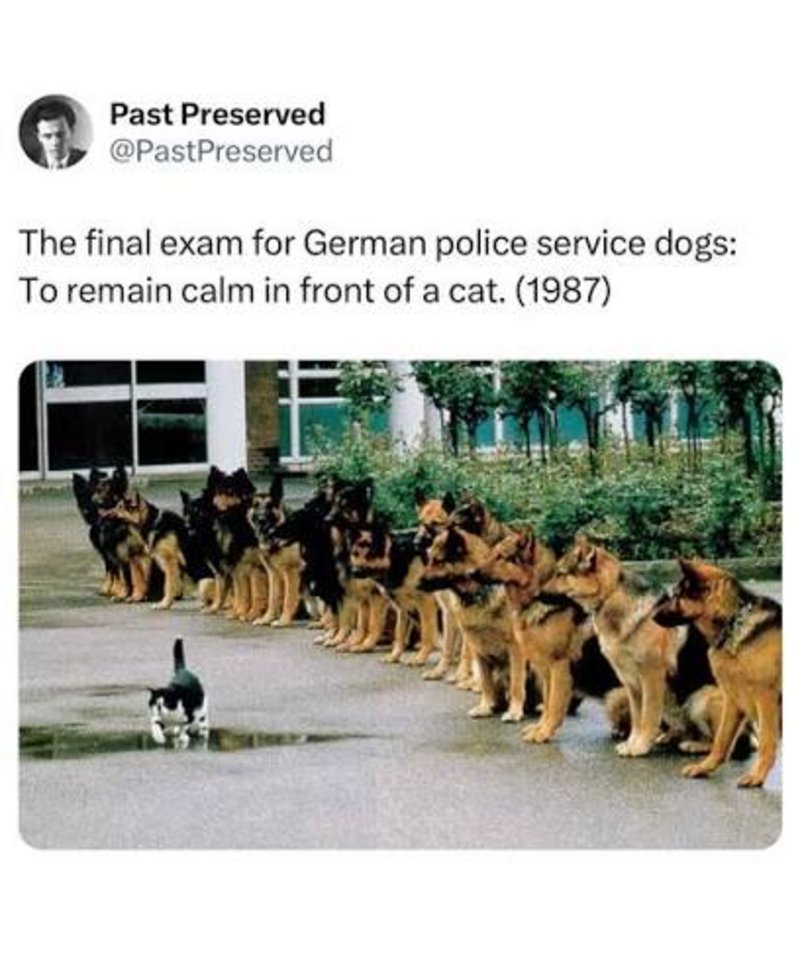
A story from Keston, England, tells of a cat named Minstrel who supposedly had a role at a police-dog training centre. His task was to test the dogs’ ability to stay focused around a cat. According to the anecdote, a dog that became distracted or aggressive when Minstrel appeared could be considered unsuitable for certain police duties.
The story is often retold as an example of an unlikely feline “job,” but details about Minstrel and the training programme are not well documented in readily available authoritative sources. It’s best treated as an amusing reported tale, rather than a confirmed standard police procedure.
5 The juror

A cat named Sal from Boston, Massachusetts, reportedly received a jury-duty summons. The likely explanation was an error in the records: Sal’s owner had included the cat in a census response, and the animal was apparently treated as a person when jury lists were compiled.
The owner tried to explain that Sal was a cat and could not serve on a jury. News reports described the unusual summons as a real mix-up, though the original story’s more colorful details are not all independently confirmed. In any case, Sal was not about to deliberate on a court case.
6 The space cat
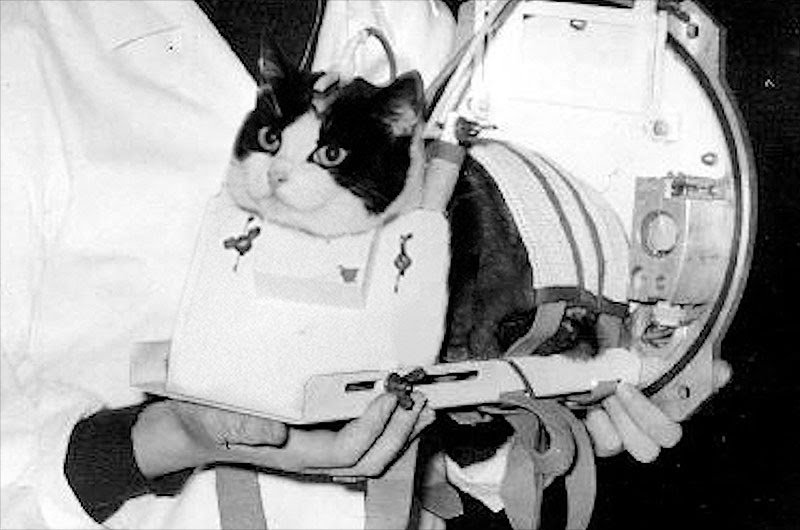
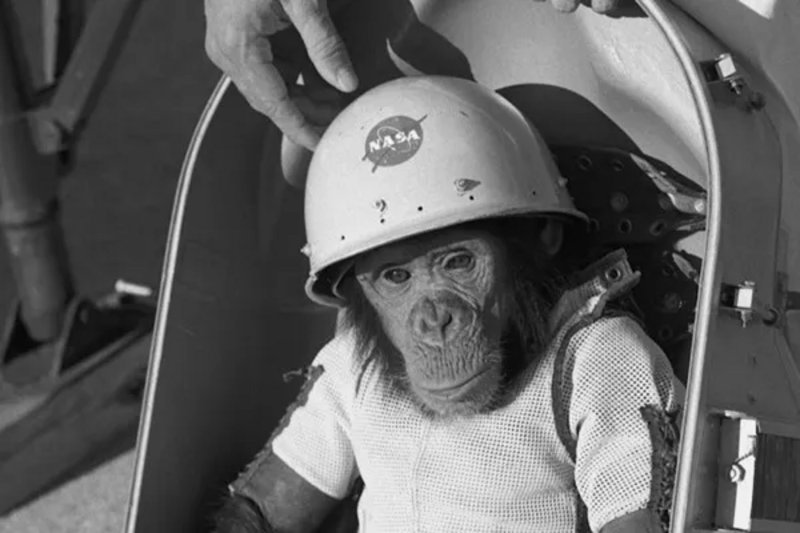
In 1963, France sent a cat named Félicette on a suborbital spaceflight. She was one of a group of cats prepared for the programme, and was selected for the mission after training. On October 18, 1963, a French Véronique rocket carried her to an altitude of about 154 kilometres. Her capsule separated from the rocket and returned safely by parachute, and Félicette was recovered alive.
Félicette became the first cat to reach space. Her flight was part of early research into how living organisms responded to spaceflight, and it remains a remarkable-and controversial-chapter in the history of animal experiments.
7 The “air-raid radar”

Stories from the Second World War sometimes describe cats reacting to approaching aircraft before people could hear them. One account tells of a cat called Dynamite, stationed at an airfield in the Solomon Islands, which reportedly became agitated or ran for shelter when enemy planes approached. Another tale describes a London cat that supposedly alerted its owner during air raids by pawing at a gas mask and then rushing toward the shelter.
Cats do have sensitive hearing, but these anecdotes do not establish that they could reliably identify enemy aircraft or serve as a practical substitute for radar and other warning systems. They are best understood as wartime stories about animal behavior, not verified military technology.
8 The official mouser
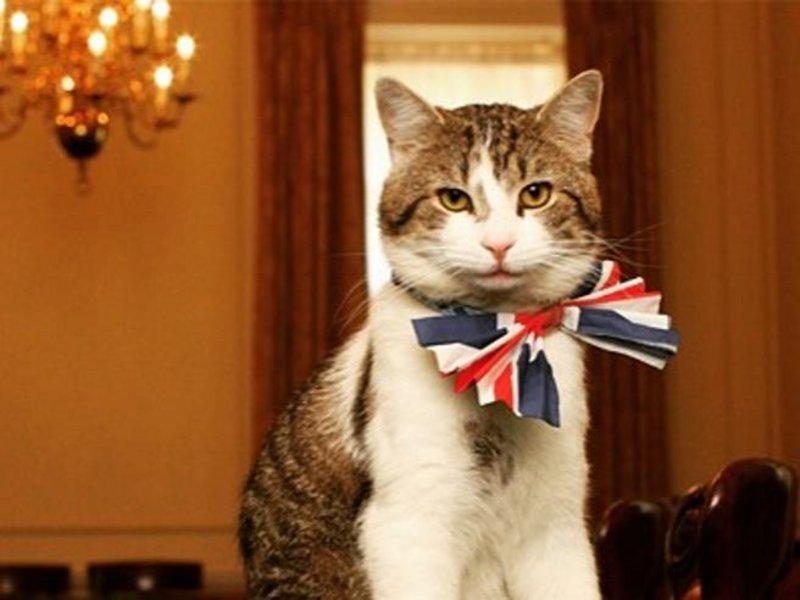
Cats have been employed as mousers in workplaces for generations, including libraries, archives, railway stations and government buildings. In Britain, the best-known modern example is Larry, the cat at 10 Downing Street. He arrived in 2011 and was given the official title of Chief Mouser to the Cabinet Office. His duties include greeting visitors, inspecting the building and, of course, keeping an eye out for mice.
Not every working cat in Britain is a government employee with a formal job title or salary, but Larry’s position shows how a cat can become a familiar part of public life.
9 The airport therapy cat
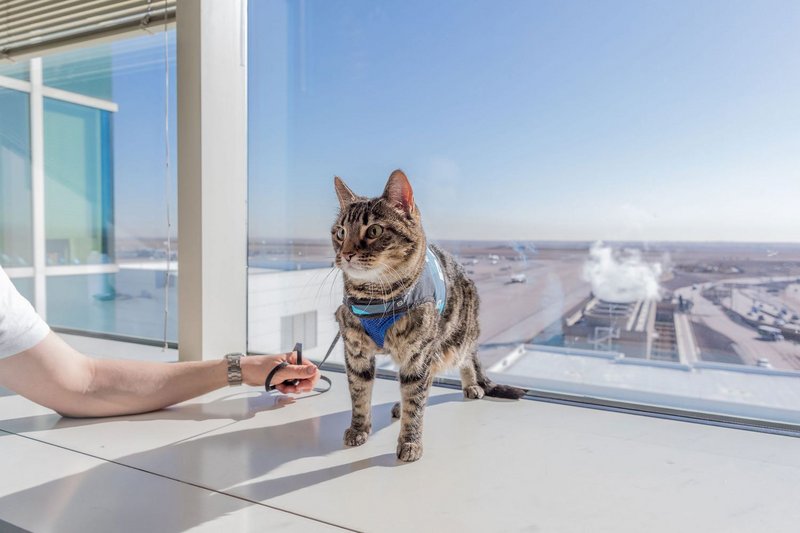
Not every working cat is hired to catch mice. Xeli, a domestic shorthair from Colorado, joined Denver International Airport’s Canine Airport Therapy Squad (CATS) in 2017 as its first feline member. Alongside her handler, Nathan, she visits passengers in the terminal and concourses, offering a friendly face and a little comfort to travelers who may be anxious or stressed.
Like the other animals in the programme, Xeli and her handler are volunteers. The therapy teams are trained and registered, and their airport visits are intended to make the travel experience more pleasant. Xeli is a rare example of a cat with an official role in an airport’s animal-assisted comfort programme.
10 The library cat

Dewey Readmore Books became one of the world’s best-known library cats after being found as a tiny, abandoned kitten in the book-return slot of the Spencer Public Library in Iowa in 1988. The library’s director and staff adopted him, and he spent the rest of his life greeting visitors, keeping people company and becoming a beloved part of the community.
Dewey lived at the library for 19 years and attracted visitors from far beyond his hometown. His story was later told in the bestselling book *Dewey: The Small-Town Library Cat Who Touched the World*, written by former library director Vicki Myron with Bret Witter.
Cats can be companions, hunters, helpers-and sometimes the stars of extraordinary stories. While some of these “jobs” are well documented and others are based on anecdotes, they all show how readily people find room for cats in unexpected corners of human life.