The Krupp-built Bagger 288, one of the world’s largest bucket-wheel excavators, made headlines when it was transported across Germany to the Hambach open-cast coal mine. This enormous machine was designed to remove overburden—the soil and rock covering a coal deposit—before mining could begin.
The Bagger 288 was completed in 1978 and held the title of the world’s heaviest land vehicle until the Bagger 293 was built. Here are 10 facts about this remarkable machine.
1 Enormous dimensions
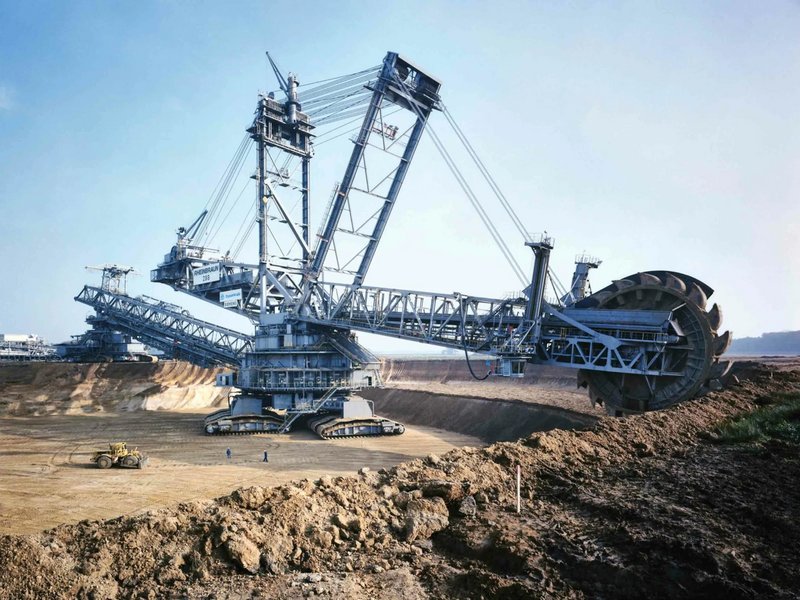
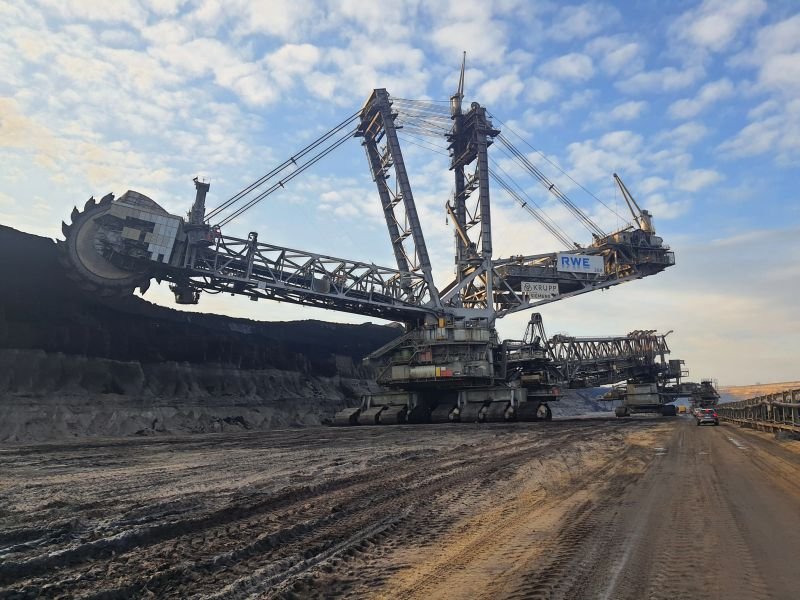
The Bagger 288 is about 96 metres (315 feet) tall and 220 metres (722 feet) long. Its scale is difficult to imagine: the machine is longer than two football fields placed end to end.
2 Incredible weight
The Bagger 288 weighs approximately 13,500 metric tonnes. That made it the heaviest land vehicle when it was completed in 1978. It was later surpassed by the Bagger 293, which weighs about 14,196 tonnes.
3 A Price tag of around $100 million
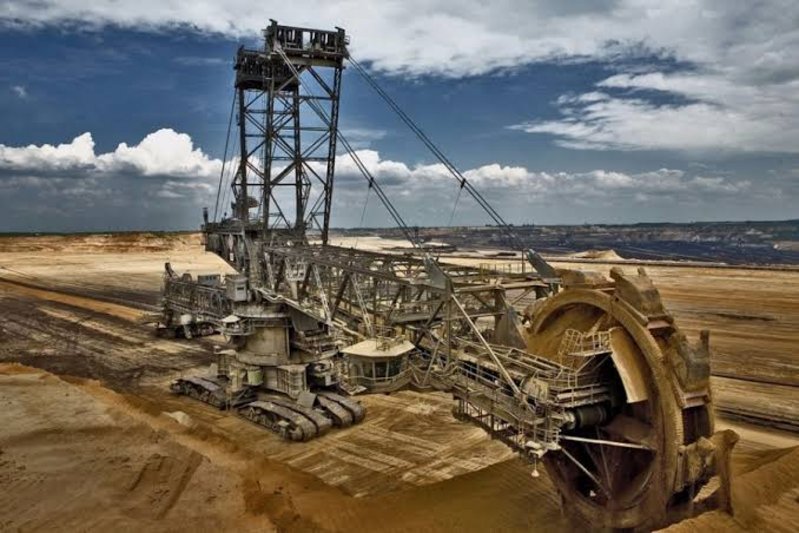
The Bagger 288 reportedly cost around $100 million to build. The figure is an estimate of its original construction cost, not a current replacement price.
4 A decade to design and build
Designing and manufacturing the Bagger 288 took about five years, followed by another five years of assembly. The project required years of engineering and coordination to bring together its enormous structure, drive systems and conveyor equipment.
5 A crew of just five

Despite its extraordinary size, the Bagger 288 can be operated by a crew of around five people. The machine runs on electricity supplied from an external source, and its operators control the excavation and material-handling systems from the machine.
6 A giant bucket wheel
The Bagger 288’s bucket wheel is about 21.6 metres (71 feet) in diameter and has 18 buckets. Each bucket holds approximately 6.6 cubic metres of material. As the wheel rotates, the buckets scoop up soil and rock and unload them onto conveyor belts.
7 Twelve crawler tracks
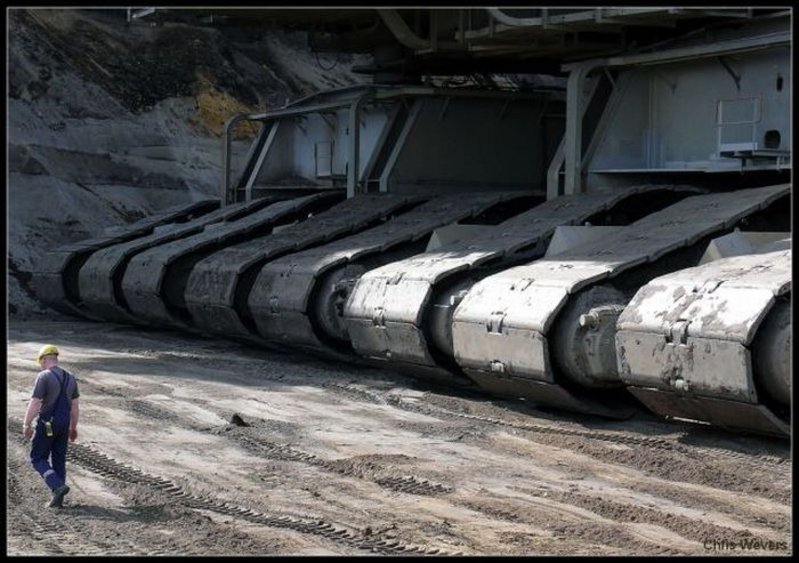
The excavator moves on 12 crawler-track assemblies, arranged in three rows of four. Each track is about 3.8 metres wide. This broad support helps distribute the machine’s enormous weight over the ground.
8 A very slow moving giant
The Bagger 288 travels at a speed of about 2 to 10 metres per minute—roughly 0.1 to 0.6 kilometres per hour. That is slower than a person walking, but the machine is built to move steadily while working at a mine, not to travel quickly.
9 Up to 240,000 cubic metres a day
The Bagger 288 can excavate up to 240,000 cubic metres of overburden in a day, under suitable operating conditions. That is the equivalent of removing a layer of soil about 30 metres deep from an area the size of a football field.
10 Thousands of truckloads of material
To put that daily capacity into perspective, 240,000 cubic metres of excavated material would fill about 3,822 trucks if each truck carried 63 cubic metres. This is only an illustration: actual truckloads depend on the vehicles’ capacity and the type and weight of material being moved. In practice, the Bagger 288 transfers excavated material onto conveyor belts rather than loading it all into trucks.
The Bagger 288 is a landmark of large-scale mining engineering. Although the Bagger 293 later surpassed it in weight, the Bagger 288 remains one of the most recognizable giant machines ever built.