Mushrooms are a fascinating group of organisms with characteristics that distinguish them from both plants and animals. There are thousands of mushroom species, but the following ten are particularly interesting for their appearance, growth, culinary value, toxicity, or unusual biology.
1Porcini
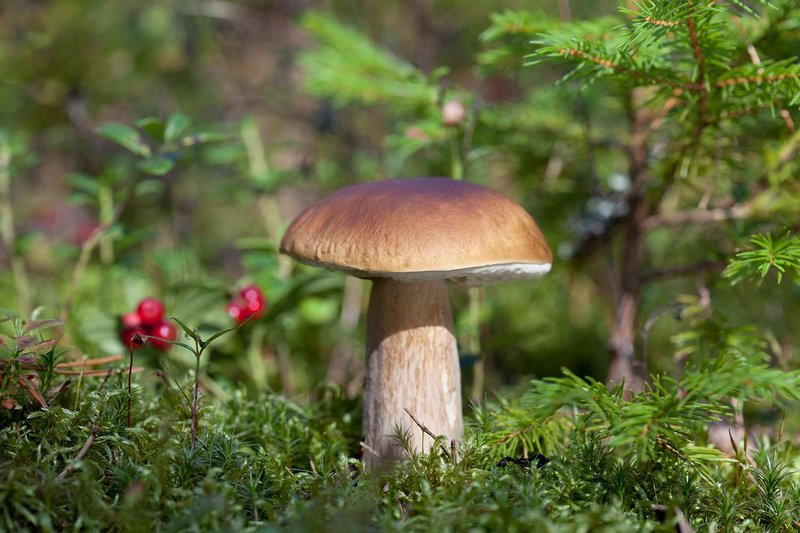
The king of mushrooms. It is highly valued for its flavor, nutritional qualities, size, and versatility in cooking. It is also known as the “white mushroom” because its flesh remains relatively white rather than darkening significantly during preparation. Porcini mushrooms can be used in sauces, dried, boiled, fried, pickled, or salted.
2Truffle
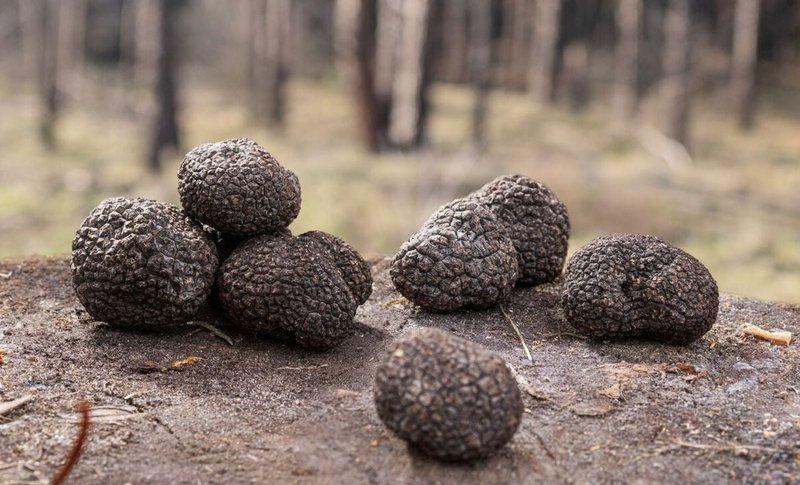
One of the world’s most expensive edible fungi. Truffles grow underground and are traditionally located with the help of specially trained dogs; pigs were also historically used. Gourmets prize them for their distinctive aroma and flavor. One of the most expensive truffles ever sold was a 1.3 kg white truffle that fetched $330,000 at auction in 2007. Truffle prices vary enormously depending on species, quality, size, and season, so there is no reliable single “average” price of €50,000 per kg.
3Fly agaric
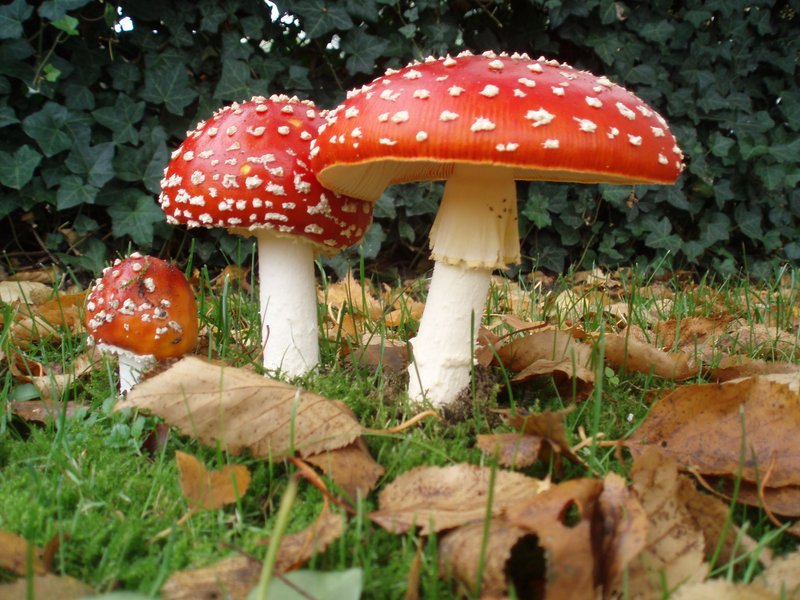
One of the world’s most recognizable and visually striking mushrooms. Its bright red cap covered with white spots makes it particularly spectacular against the green background of a forest. Despite its attractive appearance, it is poisonous and should not be eaten.
4Death cap
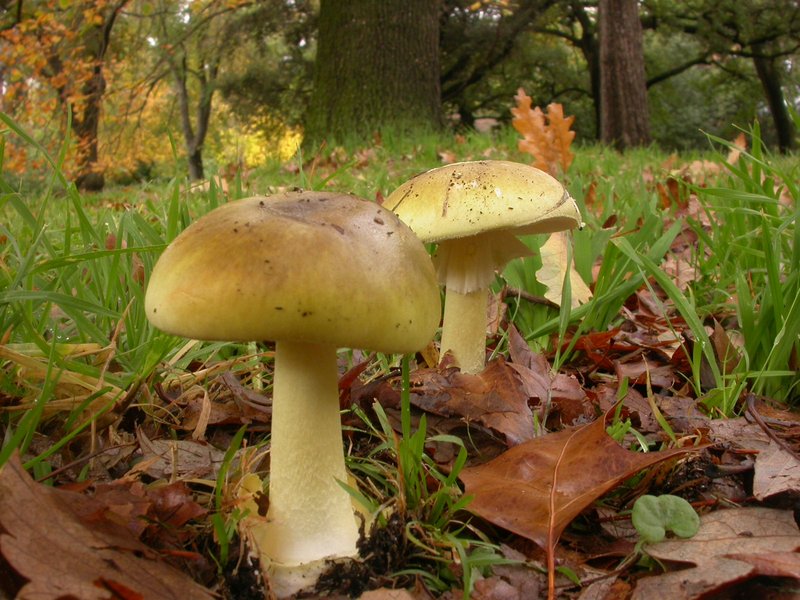
One of the world’s most poisonous mushrooms. It contains amatoxins, including alpha-amanitin, which can cause severe liver damage and death. These toxins are heat-stable and are not destroyed by normal cooking. A single mushroom can contain enough toxin to cause a fatal poisoning.
5Button mushroom
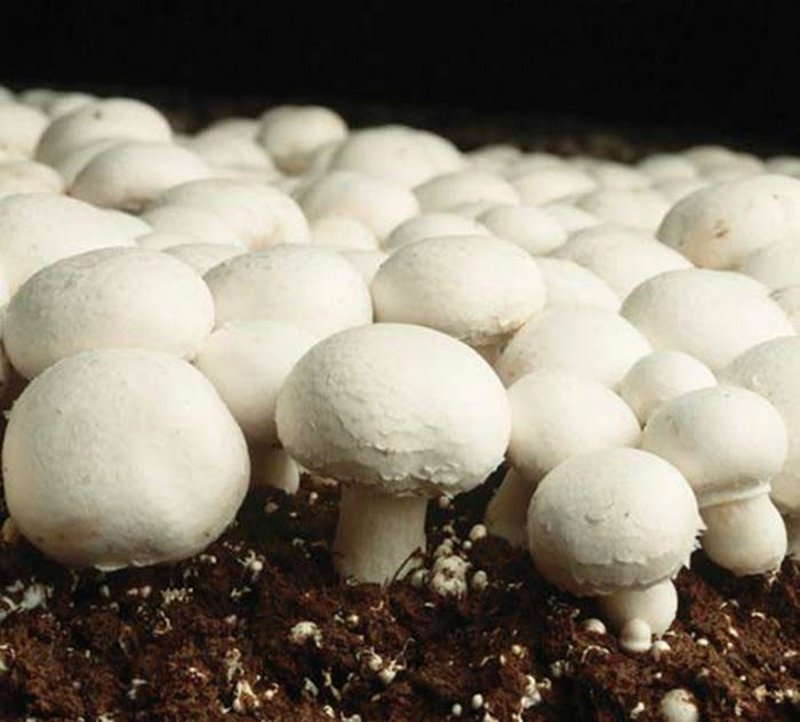
The world’s most widely cultivated mushroom species. The white button mushroom (Agaricus bisporus) is relatively easy to cultivate commercially and is grown on a large scale in many countries. It is also the same species that includes the cremini and portobello varieties.
6Stinkhorn
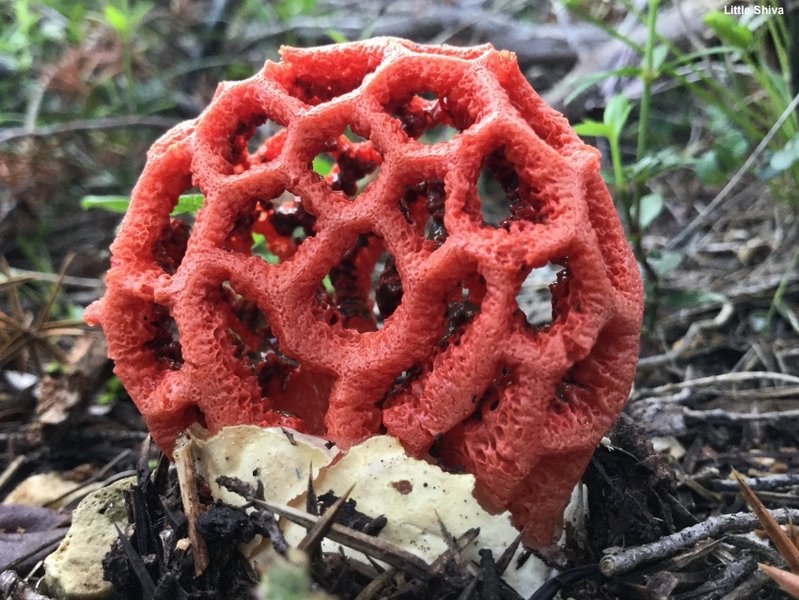
One of the fastest-growing mushrooms in the world. Some stinkhorns can expand at an astonishing rate of around 5 mm per minute, allowing the fruiting body to emerge from its underground “egg” within a few hours.
7Ink cap
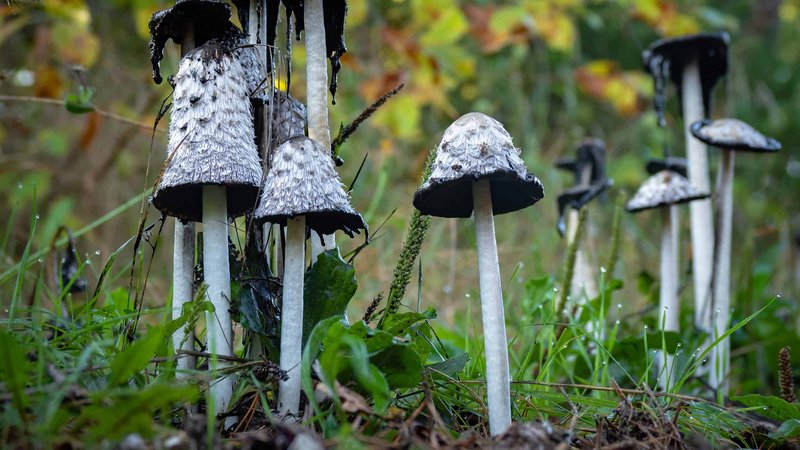
A mushroom with an exceptionally short visible lifespan. Some ink caps can go from appearing above the ground to collapsing into a black, inky mass within just a few hours. This self-digestion process, known as deliquescence, helps release their spores.
8Shiitake

One of the best-known culinary and medicinal mushrooms. Shiitake has been used in traditional East Asian medicine for centuries and contains compounds such as beta-glucans that are being studied for their possible effects on immune and metabolic health. Some human studies have reported potentially beneficial effects, but evidence for claims such as lowering cholesterol, reducing inflammation, or treating ulcers remains limited and inconsistent.
9Earthstar
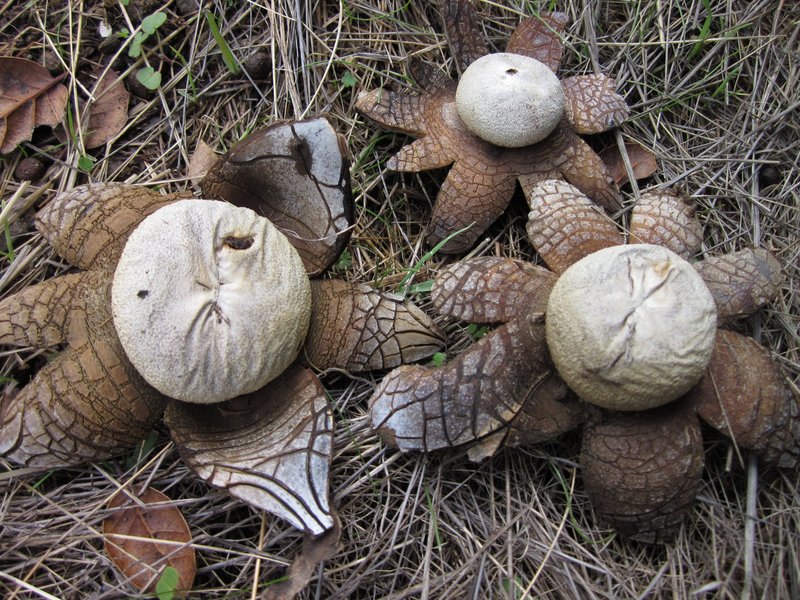
One of the most unusual-looking fungi. Earthstars develop underground and have a layered outer covering. When the outer layer splits open, its sections curl backward to form a star-like structure, usually with several rays. The spore-producing body remains in the center and can vary in color depending on the species.
10Slime mold plasmodium
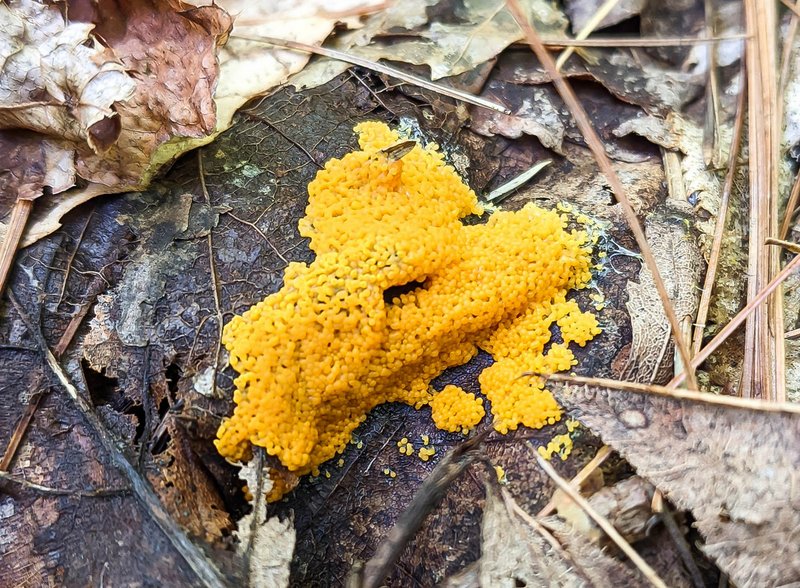
One of the most amazing organisms traditionally associated with the world of fungi. A plasmodium is a large, single-cell stage containing many nuclei, and it can slowly move across surfaces in search of food. It may look like a jelly-like mass and can climb over objects such as logs and branches. Despite its fungus-like appearance, a plasmodium is actually part of a group of organisms called slime molds, not a true fungus.