Cities, like large countries, can be ranked according to different criteria, including land area, population, and population density.
This ranking compares the largest cities in the United States by the number of people living within their official city boundaries. This is different from ranking metropolitan areas, which include surrounding cities and communities.
The population figures below are U.S. Census Bureau estimates for July 1, 2025. The list ranks the ten most populous U.S. cities, not their metropolitan areas.
1 New York City – 8.58 million people
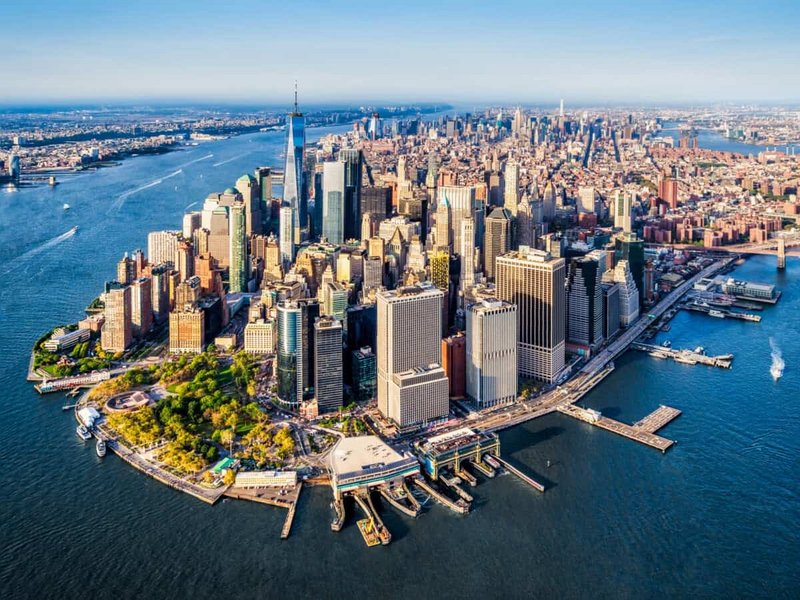
State: New York
Founded: 1624
City population: 8,584,629
Nicknamed the Big Apple, New York City is one of the world’s most diverse and dynamic urban centers. Its skyline, iconic landmarks, museums, theaters, and neighborhoods attract visitors from around the globe. The Statue of Liberty is one of its best-known symbols, while Central Park, Broadway, and the city’s many architectural landmarks offer countless things to explore. New York is also a major international center for finance, media, fashion, and culture.
2 Los Angeles – 3.87 million people

State: California
Founded: 1781
City population: 3,869,089
Los Angeles is the largest city in California and a global center of entertainment, film, and television. Founded as a small Spanish settlement, it has grown into an extensive urban area known for its cultural diversity and sunny climate. Hollywood, the Griffith Observatory, the Getty Center, and nearby beaches are among its best-known attractions. The wider Los Angeles metropolitan area extends far beyond the city’s official boundaries and has a much larger population.
3 Chicago – 2.73 million people
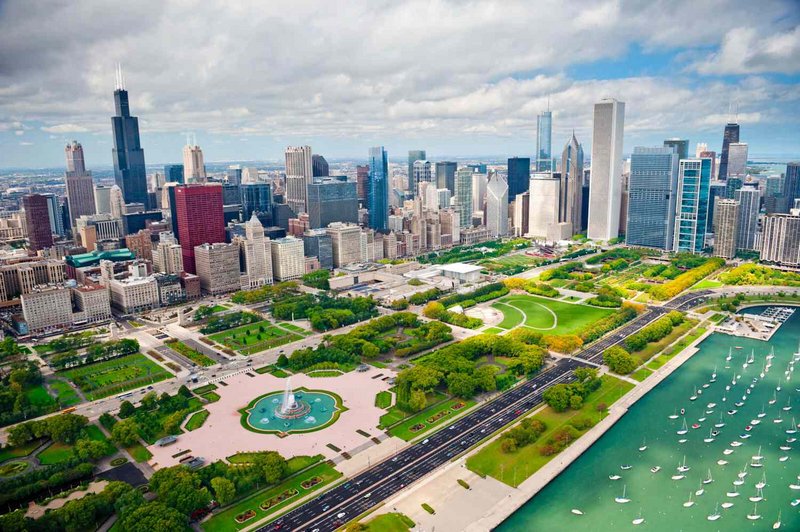
State: Illinois
Founded: 1833
City population: 2,731,585
Known as the Windy City, Chicago is a major center of business, transportation, architecture, and culture. Located on the southwestern shore of Lake Michigan, it is famous for its striking skyline, deep-dish pizza, blues music, and world-class museums. Willis Tower, formerly known as the Sears Tower, is one of the city’s most recognizable skyscrapers. Chicago’s central location has also helped make it an important rail, road, and air transportation hub.
4 Houston – 2.40 million people
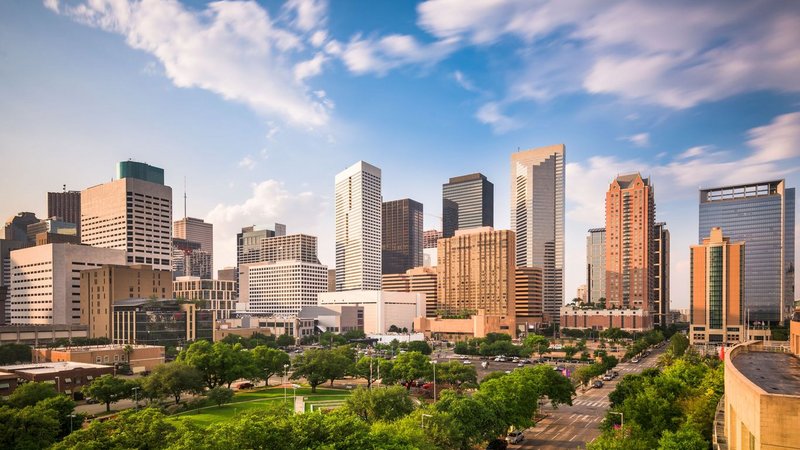
State: Texas
Founded: 1836
City population: 2,397,315
Houston is a major economic center with strong industries in energy, medicine, aerospace, and international trade. The city is closely associated with NASA’s Lyndon B. Johnson Space Center, where mission control and astronaut training have played important roles in human spaceflight. The Port of Houston is a major U.S. gateway for international commerce. Houston is also known for its diverse population and wide variety of restaurants representing cuisines from around the world.
5 Phoenix – 1.67 million people

State: Arizona
Founded: 1867
City population: 1,665,481
Phoenix, often associated with the Valley of the Sun, lies in the Sonoran Desert and is known for its hot summers, desert scenery, and mountain parks. It became Arizona’s capital in 1889 and has grown into one of the largest cities in the country. Its economy includes technology, manufacturing, healthcare, and financial services. The surrounding Phoenix metropolitan area is also one of the major population centers of the American Southwest.
6 Philadelphia – 1.57 million people

State: Pennsylvania
Founded: 1682
City population: 1,574,281
Philadelphia played a central role in the founding of the United States. The Declaration of Independence was adopted there in 1776, and the U.S. Constitution was drafted and signed in the city in 1787. Independence Hall and the Liberty Bell remain important symbols of American history. Today, Philadelphia is also known for its museums, universities, historic neighborhoods, and distinctive food culture.
7 San Antonio – 1.55 million people
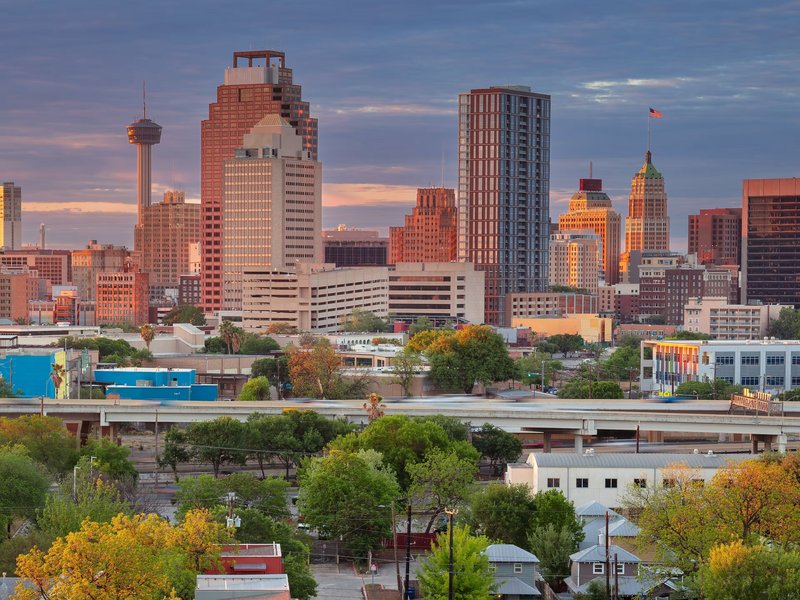
State: Texas
Founded: 1718
City population: 1,548,422
San Antonio combines Texas history with strong Mexican and Spanish cultural influences. The city’s most famous landmark is the Alamo, associated with the 1836 Texas Revolution. The San Antonio River Walk, lined with restaurants, shops, and walkways, is another major attraction. Spanish colonial missions, traditional celebrations, and a diverse food scene reflect the city’s distinctive cultural heritage.
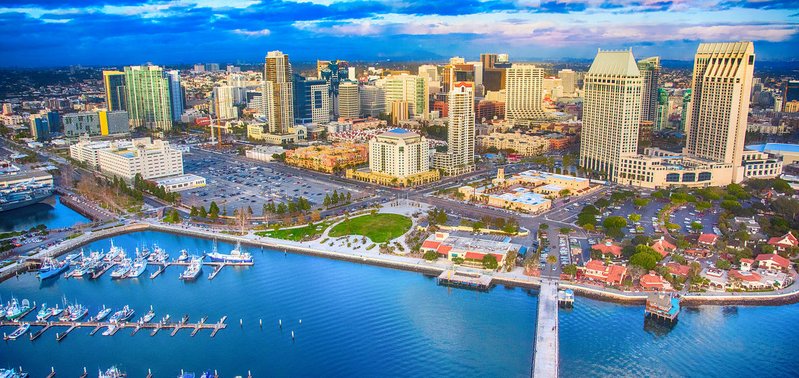
8 San Diego – 1.41 million people
State: California
Founded: 1769
City population: 1,406,106
San Diego lies on the Pacific coast near the Mexican border. The area has a long history connected to the Kumeyaay people, while the modern city’s colonial history dates to the establishment of a Spanish mission and presidio in 1769. The city is known for its mild climate, beaches, Balboa Park, and the world-famous San Diego Zoo. Naval facilities, biotechnology, tourism, and international trade are also important parts of its economy.
9 Dallas – 1.33 million people

State: Texas
Founded: 1841
City population: 1,329,491
Dallas is a major business and cultural center in northern Texas. Its economy includes finance, technology, telecommunications, and transportation. One of the city’s best-known historical sites is Dealey Plaza, where President John F. Kennedy was assassinated on November 22, 1963. The Sixth Floor Museum at Dealey Plaza examines the assassination and its historical context. Dallas is also known for its arts district, professional sports teams, and modern skyline.
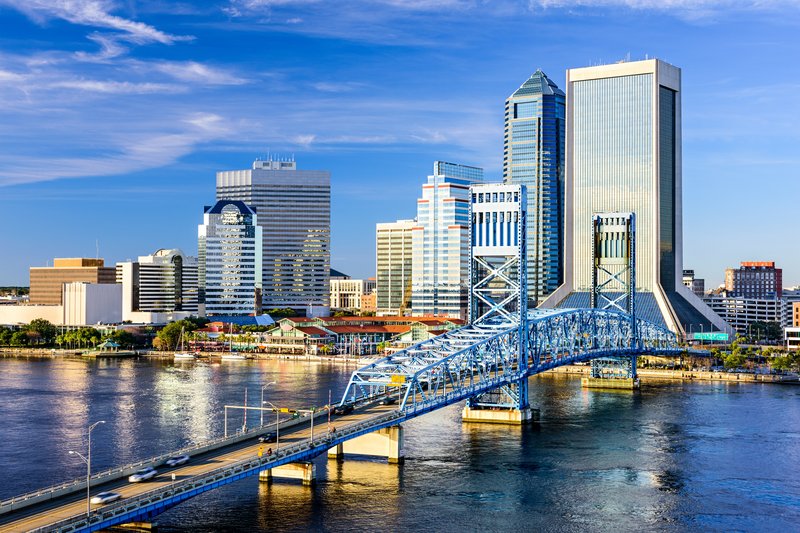
10 Jacksonville – 1.02 million people
State: Florida
Founded: 1822
City population: 1,017,689
Jacksonville is the most populous city in Florida by city-boundary population. Located in the northeastern part of the state along the St. Johns River, it is known for its extensive city limits, Atlantic beaches, and major port. Its economy includes logistics, finance, healthcare, and military-related industries. Jacksonville’s large municipal area means its population and land area are not directly comparable with those of many more compact U.S. cities.
The ranking shows that New York City remains far ahead of other U.S. cities in population within official city boundaries. Los Angeles and Chicago follow, while Texas and California account for several of the country’s largest urban centers. However, the ranking changes when metropolitan areas are compared instead, because those regions include many surrounding communities.