Small helicopters have long attracted aviation enthusiasts. Compared with conventional aircraft, ultralight helicopters can be more compact and less expensive to operate, although they still require specialised training, maintenance and careful handling.
Some are designed for recreational flying, while others are used for pilot training, aerial observation and private transportation. This selection features ten particularly small and lightweight helicopter designs, ranging from experimental single-seat machines to two-seat aircraft. The figures refer to published empty weights where available, rather than maximum take-off weights.
1 GEN H-4 (Japan), 70 kg

The Japanese GEN H-4 is recognised by Guinness World Records as the world’s smallest helicopter in terms of rotor length. Its two sets of coaxial, counter-rotating rotors have a diameter of just four metres, eliminating the need for a conventional tail rotor.
The single-seat aircraft weighs approximately 70 kg and is powered by four small two-cylinder engines. Its reported maximum speed is around 90 km/h, with a flight endurance of approximately 30 minutes. It is an unusual experimental design rather than a conventional certified helicopter for everyday use.
2 Mosquito XE (New Zealand), approximately 135 kg
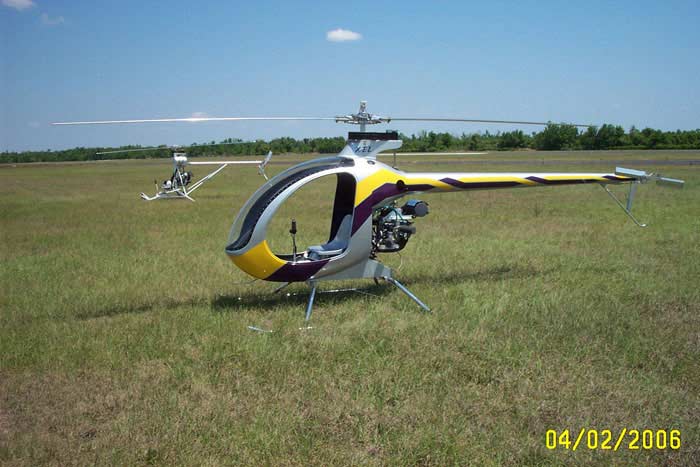
The Mosquito XE is a compact single-seat kit helicopter developed for recreational pilots. Its conventional rotor and tail-rotor arrangement makes it look like a miniature version of a traditional helicopter.
Its published empty weight is approximately 135 kg, with a maximum take-off weight of around 277 kg. The XE is part of the Mosquito family, which also includes more powerful variants, including turbine-powered models.
3 DF Helicopters DF334 (Italy), 290 kg

The Italian DF334 is a compact two-seat ultralight helicopter designed for private and recreational flying. It uses a Rotax 914 engine producing approximately 113 horsepower.
Its published empty weight is around 290 kg, while its maximum take-off weight is approximately 500 kg. The aircraft can reach a maximum speed of about 148 km/h. It is an older design, so current production and availability should not be assumed.
4 Heli-Sport CH-7 Kompress (Italy), approximately 280 kg
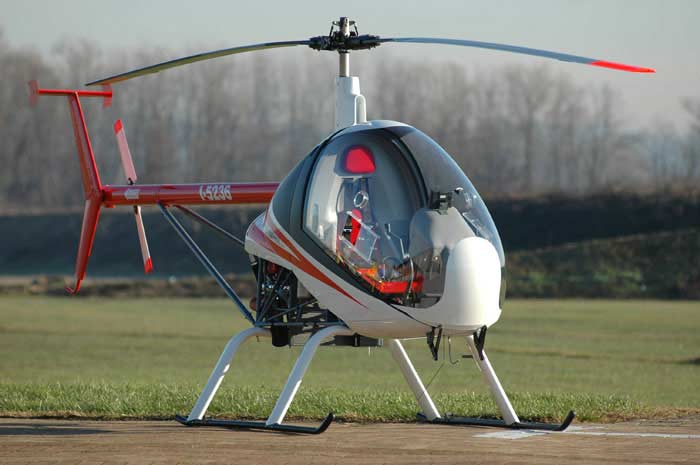
The CH-7 Kompress is an Italian two-seat ultralight helicopter with a lightweight composite cabin and a tubular steel frame. It was designed as a kit aircraft, allowing owners to assemble the helicopter themselves.
Depending on configuration, its empty weight is approximately 280 kg, with a maximum take-off weight of 450 kg in the standard version. The aircraft is powered by a turbocharged Rotax engine and has a cruising speed of around 160 km/h.
5 Dynali H3 Sport (Belgium), approximately 313 kg
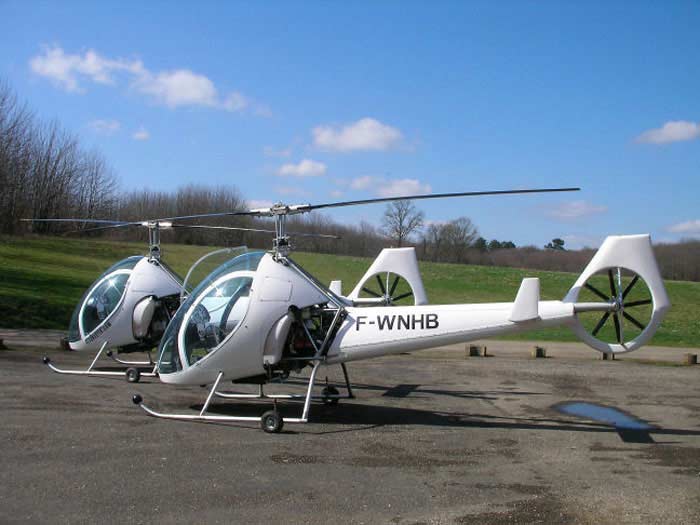
Belgian manufacturer Dynali develops lightweight two-seat helicopters for private aviation and professional applications. The H3 Sport is a modern evolution of the company’s earlier ultralight designs.
In its standard configuration, the H3 has an empty weight of approximately 312.5 kg and a maximum take-off weight of 500 kg. It uses a 135-horsepower engine and can reach a maximum speed of approximately 165 km/h.
6 Fly CC III (Czech Republic), 325 kg
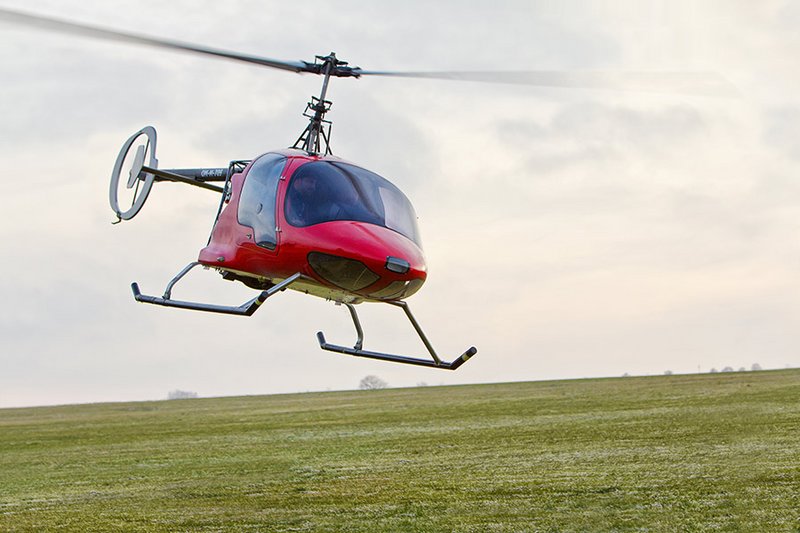
The Fly CC III is a two-seat ultralight helicopter developed by Czech manufacturer Czechcopter. Its compact design and relatively low operating weight make it an interesting example of Central European light aviation.
The manufacturer lists an empty weight of 325 kg and a maximum take-off weight of 600 kg. It is powered by a 138-horsepower Verner Scarlett engine and can reach a maximum speed of approximately 170 km/h. The manufacturer also offers pilot training.
7 Skyline SL-222 (Ukraine), 377 kg
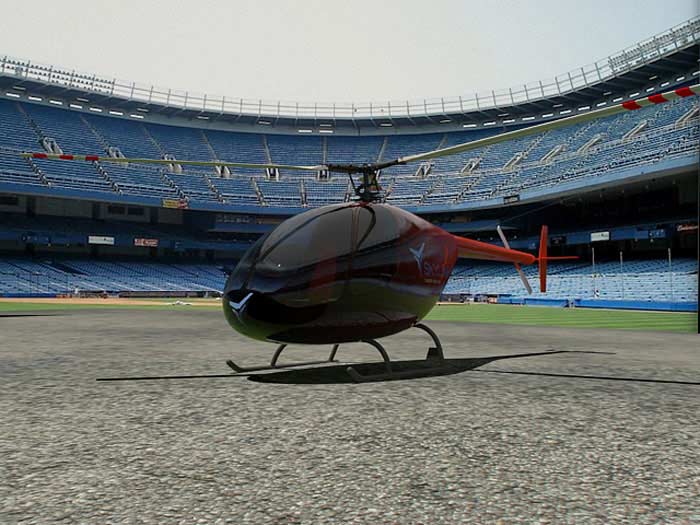
The Ukrainian Skyline SL-222 is a two-seat light helicopter designed for private aviation and utility applications. Its construction combines metal and composite components, and its compact dimensions make it suitable for transport on a trailer.
The published empty weight is approximately 377 kg, while the maximum take-off weight is 637 kg. Depending on the configuration, it can reach a cruising speed of around 160 km/h and has a reported range of approximately 550 km.
8 Robinson R22 Beta II (USA), approximately 399 kg

The Robinson R22 is one of the best-known lightweight helicopters in the world. Since its introduction, it has become particularly popular with flight schools and private pilots.
The current R22 Beta II has an approximate empty weight of 399 kg and a maximum gross weight of 622 kg. Its Lycoming engine produces 131 horsepower for take-off, and its cruising speed can reach approximately 176 km/h. Unlike many kit-built ultralight helicopters, the R22 is a fully certified production aircraft.
9 Guimbal Cabri G2 (France), approximately 420–430 kg
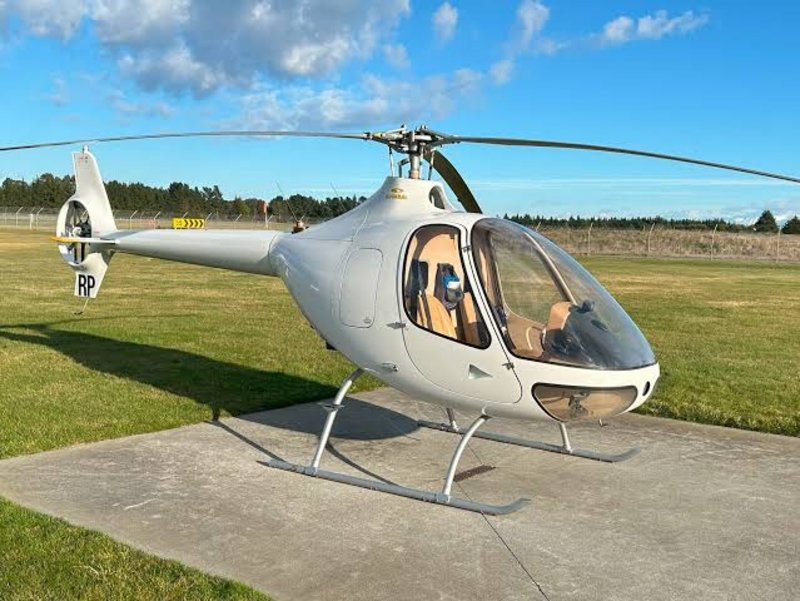
The Cabri G2 is a modern two-seat helicopter developed by French manufacturer Hélicoptères Guimbal. It was designed with flight training and private aviation in mind, combining compact dimensions with a number of modern safety features.
Depending on equipment, its empty weight is approximately 420–430 kg, and its maximum gross weight is 700 kg. The helicopter features a three-bladed main rotor and a distinctive enclosed Fenestron tail rotor. Its maximum cruising speed is approximately 185 km/h.
10 RotorWay EXEC 162F (USA), approximately 442 kg

The RotorWay EXEC 162F is an American two-seat kit helicopter that became popular among homebuilders and aviation enthusiasts. Its design combines a conventional helicopter layout with a purpose-built piston engine.
The published empty weight is approximately 442 kg, with a maximum gross weight of around 680 kg. Its normal cruising speed is approximately 153 km/h. The model is no longer in production, but examples remain on the second-hand market.
Lightweight helicopters demonstrate how far small-scale aviation has developed. Some designs are little more than compact experimental flying machines, while others are fully certified aircraft used by flight schools and private pilots. However, low weight does not automatically mean low risk: helicopter operation requires proper training, maintenance and compliance with aviation regulations.