The territory of the ancient Roman Empire covered not only much of Europe, but also parts of North Africa and Asia, as well as numerous islands. Naturally, maintaining control over such a vast territory required a huge army. But soldiers also needed mobility – the ability to move quickly from one place to another. That is why the Romans built roads wherever their legions needed to go. And when the Empire eventually fell, many of those roads remained as a remarkable reminder of the ancient world. Some sections have survived to the present day…
I find such surviving artifacts fascinating. Looking at them, you can almost travel through the centuries in your imagination and see a detachment of legionaries marching to reinforce a distant frontier, soldiers resting in the shade of pine trees during lunch, or ordinary workers laying the stones of the road one by one. Imagine it for yourself. Here are the top 10 Roman roads
1 Appian Way
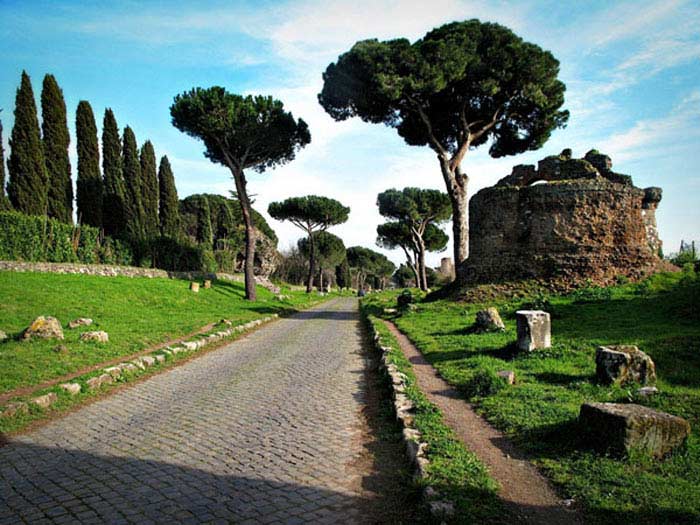
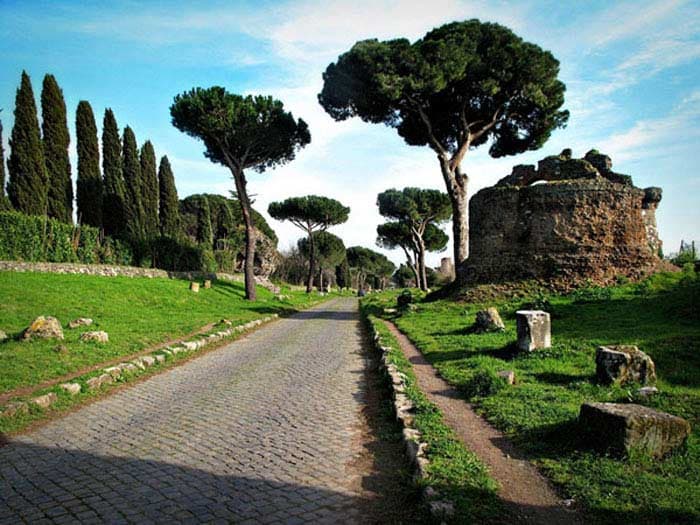
The Appian Way is considered one of the most important Roman roads ever built. Construction began in 312 BC under the censor Appius Claudius Caecus, and the road was gradually extended toward southern Italy and eventually to Brundisium, modern-day Brindisi. The complete route was more than 500 kilometers long, while the wider Appian road system eventually extended farther. Today, substantial ancient sections survive, particularly outside Rome, while modern roads and railways follow parts of its route. The Appian Way was recently recognized by UNESCO as a World Heritage site.
2 Via Domitia

Built beginning in 118 BC, the Via Domitia was the first major Roman road constructed in Gaul. It connected Italy with Hispania through what is now southern France, crossing the Alps and continuing from the Rhône valley toward the Pyrenees. Roman engineers often followed older routes while regularizing and improving them. Sections of the Via Domitia have survived, and in some places its ancient route is still visible or incorporated into modern roads.
3 Via Agrippa
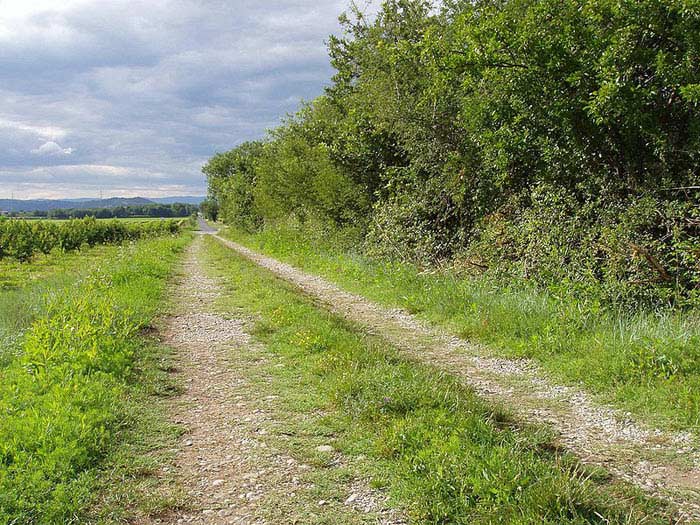
The Via Agrippa was a network of major Roman roads radiating from Lyon, the capital of Roman Gaul, and developed under Marcus Vipsanius Agrippa in the late 1st century BC. One of its principal routes connected Lyon with Boulogne-sur-Mer, while another ran westward toward Saintes. Numerous sections of these ancient routes can still be traced in modern France, sometimes surviving as country roads, tracks, or straight sections incorporated into later roads.
4 Roman road in Crimea
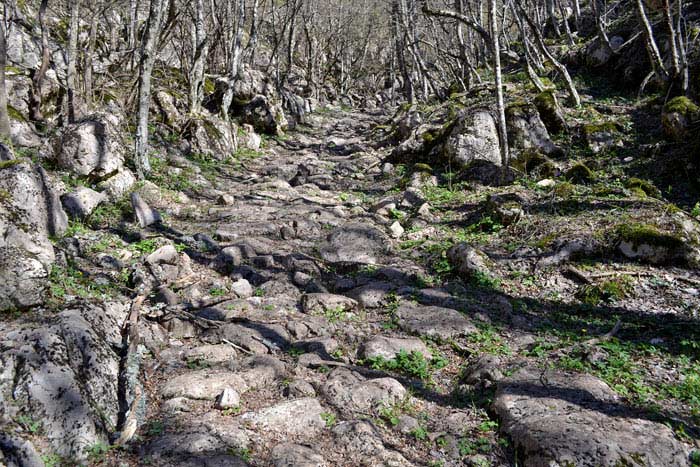
Roman military and trade routes also reached the Crimean Peninsula, where ancient roads connected settlements and military sites. Some surviving routes follow steep and winding terrain rather than the long, straight alignments often associated with Roman roads elsewhere. Parts of these ancient routes were adapted and reused over many centuries. Because the identification and dating of specific surviving sections in Crimea can be uncertain, it is safer to describe them as ancient Roman-period roads rather than assign a precise construction date without archaeological evidence.
5 The road from Vindonissa toward the Rhine frontier
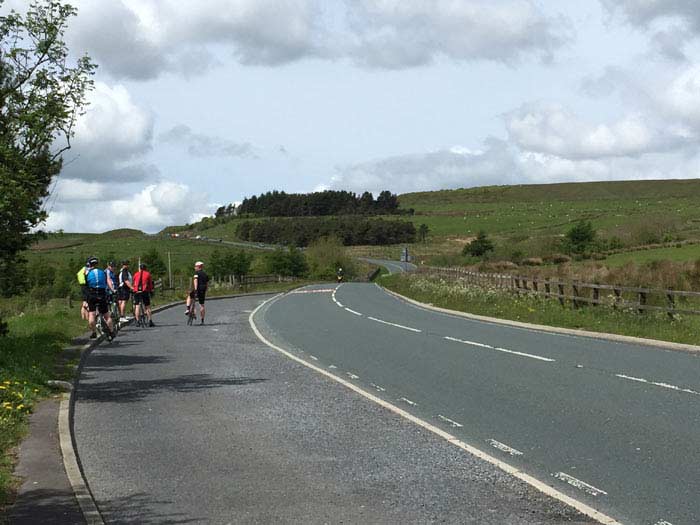
Roman roads formed an extensive network across what is now Germany and Switzerland. Vindonissa, near modern Windisch in Switzerland, was an important Roman legionary base, and roads connected it with other military settlements and the Rhine frontier. These routes were used by soldiers, officials, merchants, and local populations. In many areas, later roads and settlements were built along the same corridors, while traces of the original Roman roads remain visible in the landscape.
6 Via Egnatia
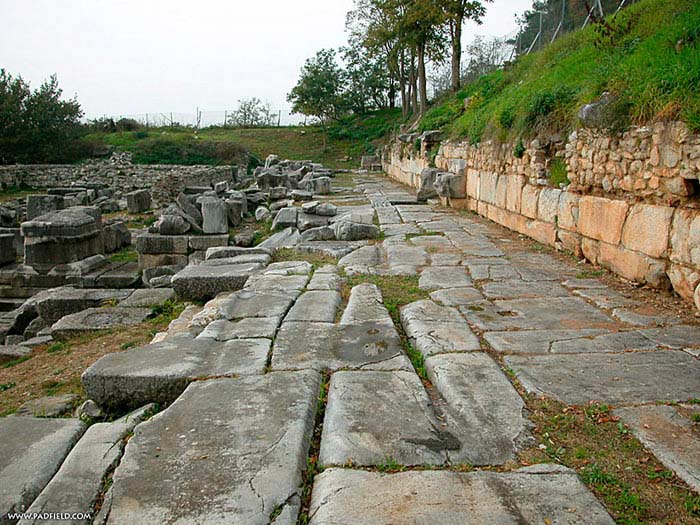
The Via Egnatia was one of the most important Roman roads in the Balkans. Built during the 2nd century BC, it crossed Macedonia and Thrace, linking the Adriatic coast with Byzantium, modern-day Istanbul. The road covered roughly 1,000 kilometers, depending on which sections and branches are counted. It crossed difficult mountainous terrain and became an important military and commercial route connecting the eastern and western parts of the Roman world.
7 Via Augusta
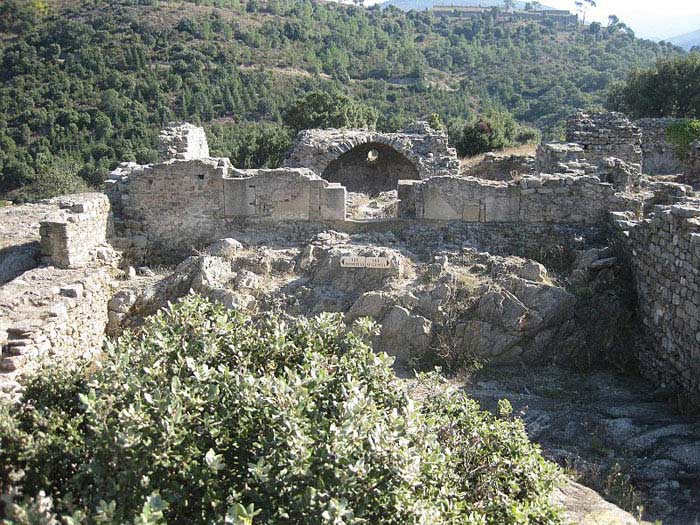
One of the longest Roman road systems in the Iberian Peninsula was the Via Augusta, extending for roughly 1,500 kilometers from Gades, modern Cádiz, toward the Pyrenees and the route into Gaul. It passed through important cities including Saguntum, Tarraco, Barcino, and Gerunda. The road was extensively renovated under Emperor Augustus between 8 and 2 BC, which is why it became known as the Via Augusta. Numerous remains, milestones, bridges, and monuments connected with the route can still be found in Spain.
8 Roman road in Thessaloniki
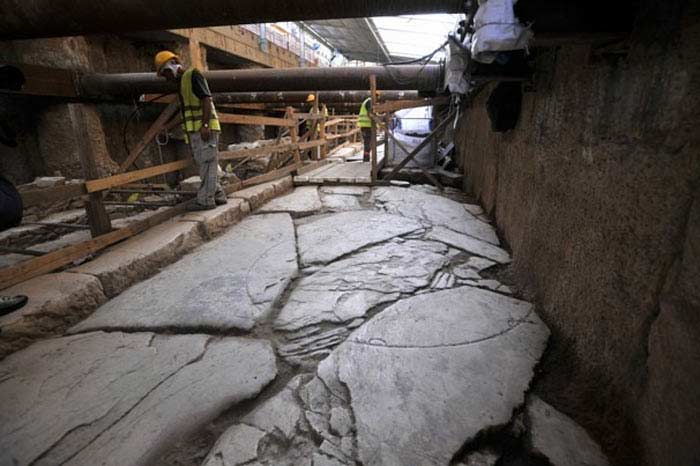
In Thessaloniki, archaeologists discovered a remarkably well-preserved Roman road during the construction of the city’s metro system. The ancient road was part of the city’s urban infrastructure and was associated with the wider Roman road network. Unlike isolated rural ruins, this section was found directly beneath the modern city, providing a striking example of how ancient and modern urban routes can occupy the same space. The remains have been incorporated into the metro station’s archaeological display.
9 Icknield Street (Ryknild Street)
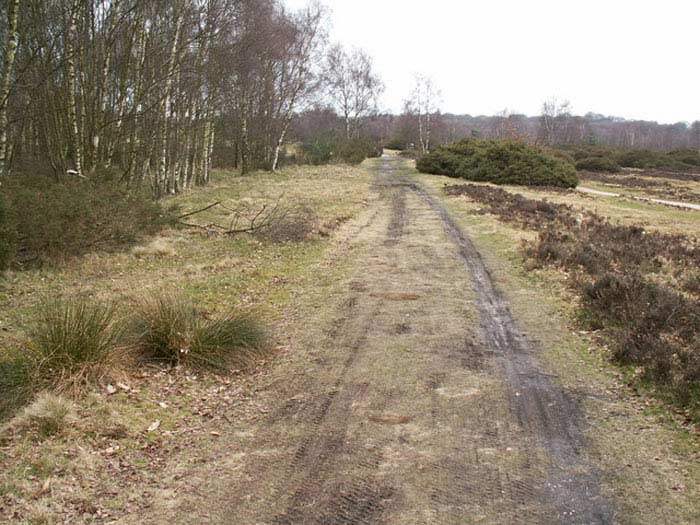
The Romans built an extensive road network across Britain, connecting military bases, towns, and settlements. Icknield Street, also known historically as Ryknild Street, was one of these Roman routes. It ran through the Midlands, including the area around modern Birmingham. A preserved section can still be seen in Sutton Park, Birmingham, while other parts of the ancient route have been incorporated into later roads or disappeared beneath modern development.
10 Blackstone Edge
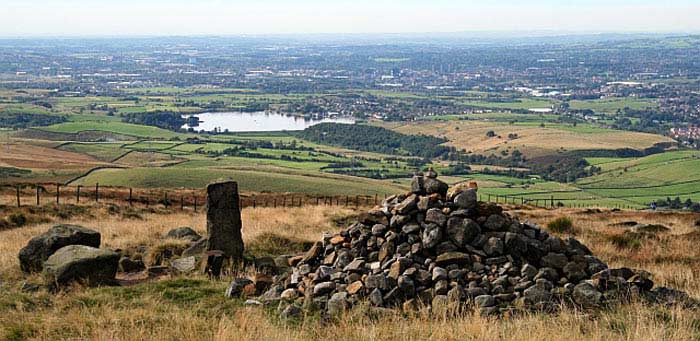
Near Manchester, at Blackstone Edge in the Pennines, there is a remarkably well-preserved ancient route crossing the moorland between Lancashire and Yorkshire. It is traditionally known as the Blackstone Edge Roman Road, although its exact Roman origin has been debated by archaeologists. The route is a scheduled monument, and archaeological investigations have found substantial road cuttings and features that may point to Roman engineering, while some of the visible paving is thought to be later. The route was also used as a packhorse road in later centuries.