While most people live in places with green forests, warm summers and well-developed infrastructure, there are communities where winter lasts for most of the year and temperatures can fall far below freezing. Yet people have managed to build permanent homes in some of the most remote corners of the Arctic, where surviving the harsh climate is part of everyday life.
1 Ny-Ålesund (Svalbard, Norway)
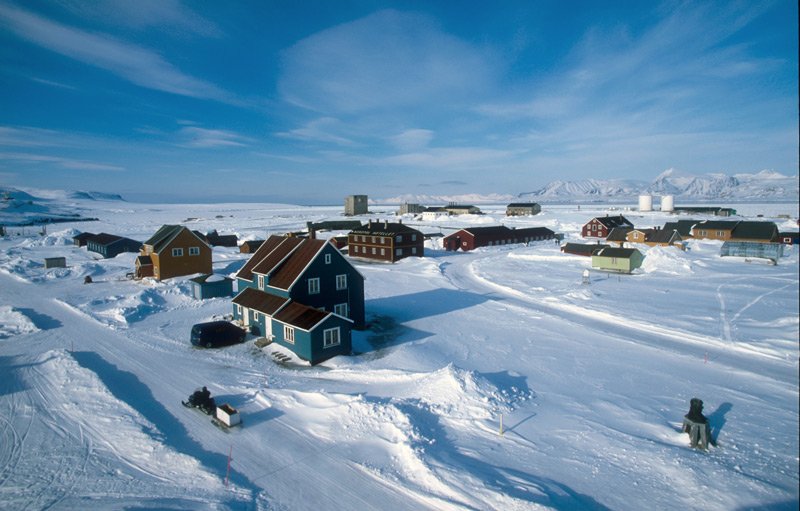
Ny-Ålesund is one of the northernmost permanently inhabited civilian settlements in the world. Originally established as a coal-mining community in 1916, it later became an international center for Arctic research. Today, around 30 people remain there throughout the winter, while the population can exceed 100 during the summer research season. Scientists from several countries work at the local research stations, studying climate change, glaciers and the Arctic environment.
2 Longyearbyen (Svalbard, Norway)
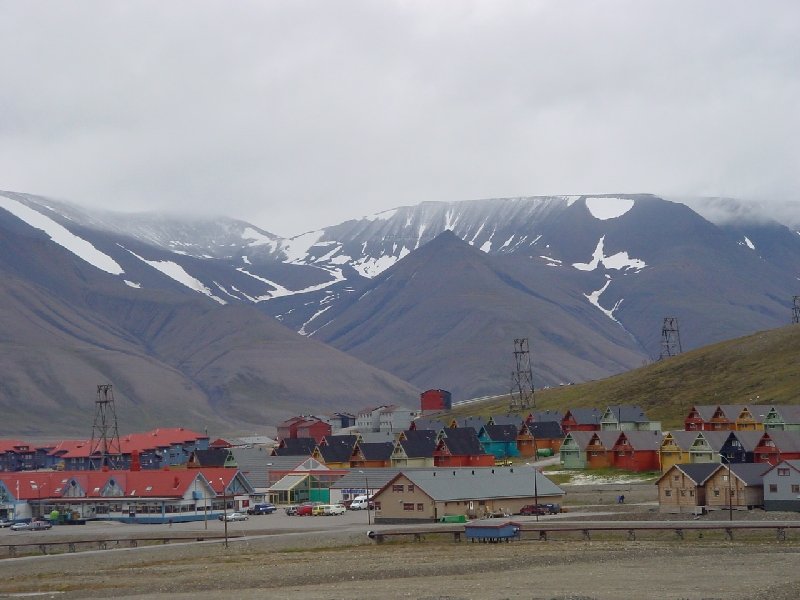
Longyearbyen is the largest settlement and administrative center of the Svalbard archipelago, with approximately 2,500 inhabitants. Originally established as a coal-mining town, it has gradually developed into a modern Arctic community supported by tourism, research and education. One of the most unusual features of life here is the polar night, which lasts from late October until mid-February. During this period, the sun does not rise above the horizon for several months.
3 Barentsburg (Svalbard, Norway)
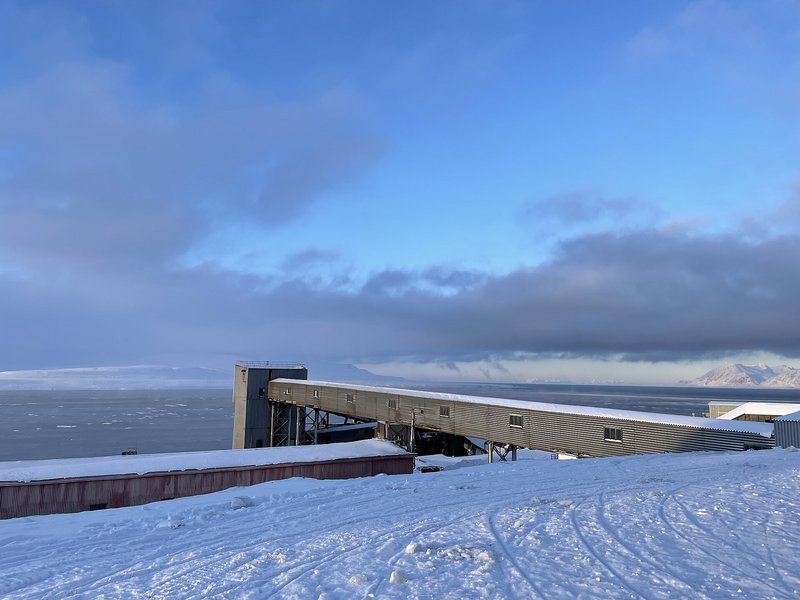
Barentsburg is the second-largest settlement in Svalbard and the last remaining Russian mining community in the archipelago. It was originally established by a Dutch company in the 1920s and sold to the Soviet Union in 1932. Today, a few hundred people live there, mostly working for the Russian state-owned mining company Trust Arktikugol. Despite its remote location, Barentsburg has its own power plant, school, hospital, hotel and cultural facilities.
4 Siorapaluk (Greenland, Kingdom of Denmark)
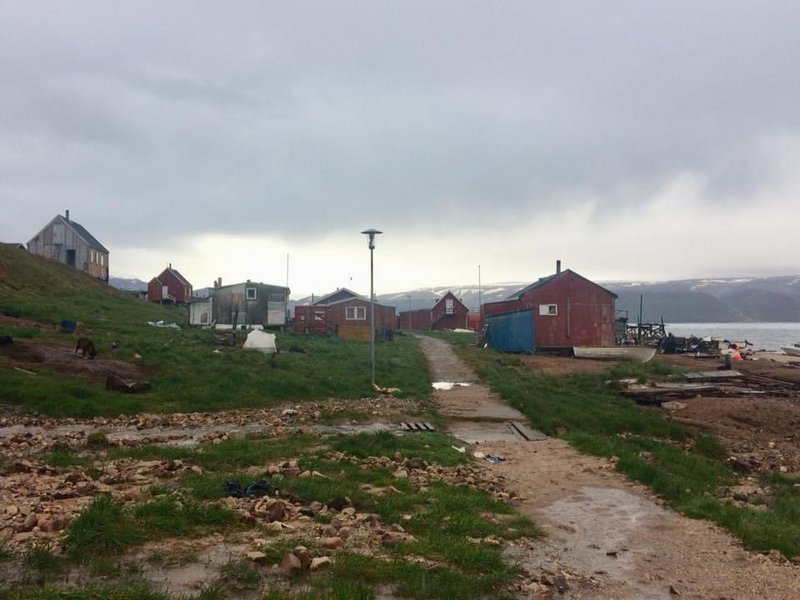
Siorapaluk is the northernmost permanently inhabited settlement in Greenland and one of the northernmost traditional communities in the world. Located approximately 1,362 kilometers from the North Pole, it is home to a small Inuit community whose traditional way of life remains closely connected to hunting and the Arctic environment. Despite its extreme isolation, the settlement has electricity, satellite communications and a local shop. It is a remarkable example of how people have adapted to life in one of the most challenging environments on Earth.
5 Qeqertat (Greenland, Kingdom of Denmark)
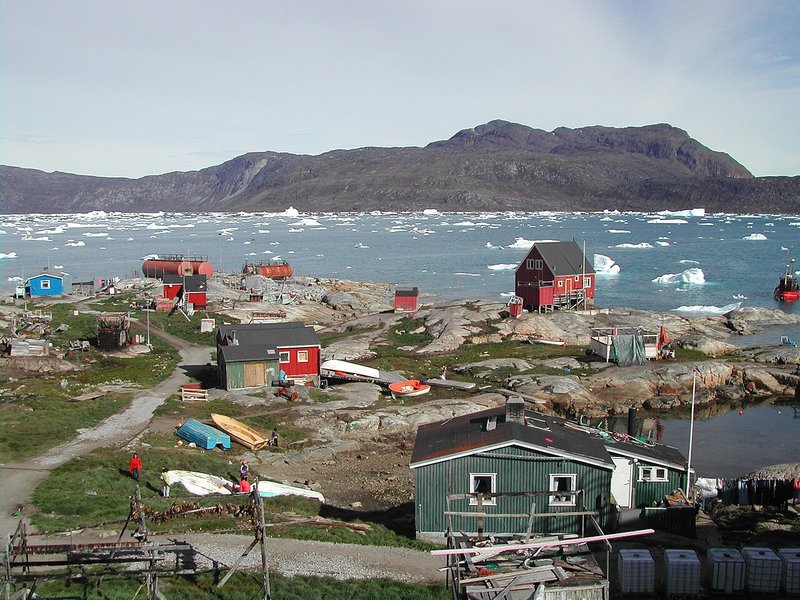
Qeqertat is a tiny Inuit settlement in northwestern Greenland, located in the remote Qaanaaq region. Only a handful of people live here, relying heavily on traditional hunting and fishing. The surrounding landscape is dominated by mountains, glaciers and frozen sea ice. With extremely limited infrastructure and difficult transport connections, Qeqertat represents one of the most isolated forms of permanent human settlement in the Arctic.
6 Qaanaaq (Greenland, Kingdom of Denmark)
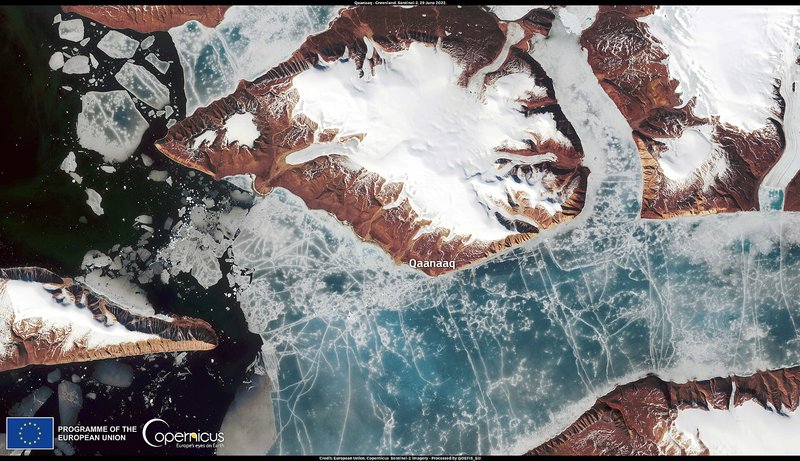
Qaanaaq is one of the northernmost towns in the world and the main settlement in northwestern Greenland. It was established in 1953 after the Danish authorities relocated the population of the former settlement of Uummannaq to make way for the expansion of the American Thule Air Base. Today, several hundred people live here, maintaining a traditional Arctic lifestyle based on hunting, fishing and small-scale local services. The town is surrounded by spectacular mountains and enormous glaciers.
7 Grise Fiord (Ellesmere Island, Canada)
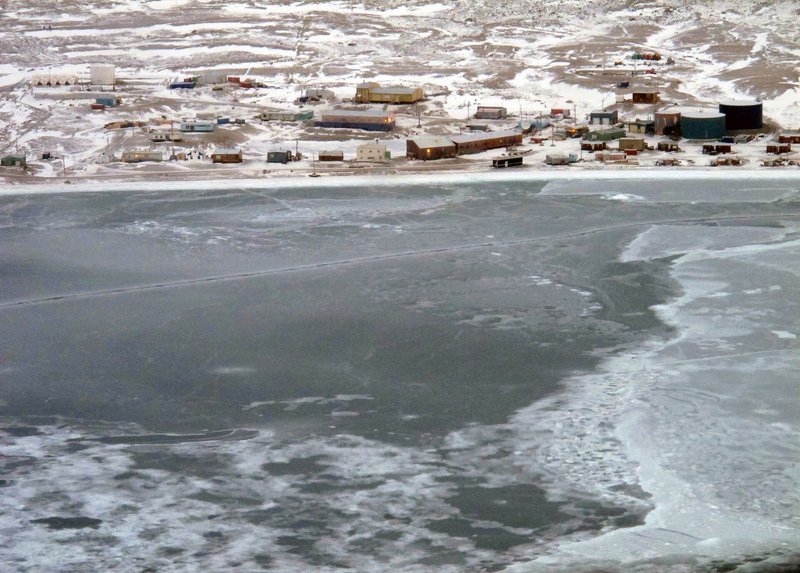
Grise Fiord is the northernmost civilian community in Canada, located on Ellesmere Island in the territory of Nunavut. The settlement was established in 1953 when several Inuit families were relocated from northern Quebec and Pond Inlet as part of a controversial government resettlement program. Today, around 130 people live here. Hunting and fishing remain important parts of everyday life, while the surrounding Arctic wilderness offers some of the most dramatic landscapes in Canada.
8 Savissivik (Greenland, Kingdom of Denmark)
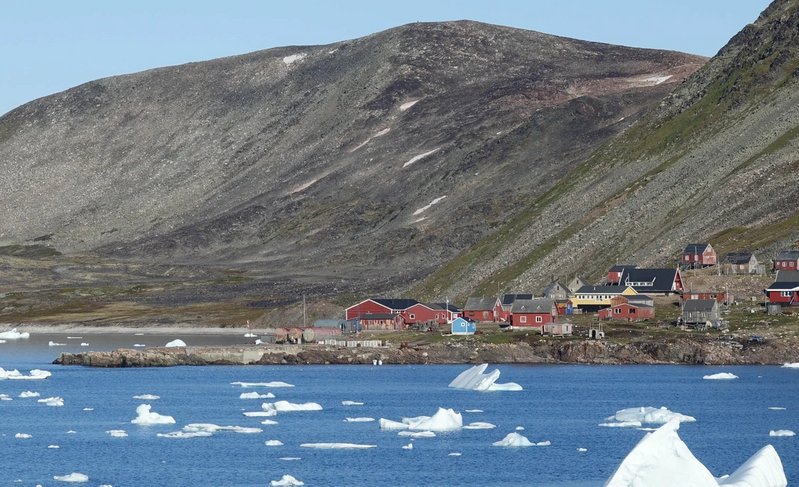
Savissivik is a small and isolated Inuit settlement in northwestern Greenland, situated in the Melville Bay region. Its population numbers only a few dozen people, who traditionally depend on hunting seals, walruses and other Arctic wildlife. The settlement is particularly famous for the large meteorite discovered nearby in 1963, which became an important scientific discovery. Life here remains closely connected to the natural environment and the seasonal movements of wildlife.
9 Resolute (Cornwallis Island, Canada)
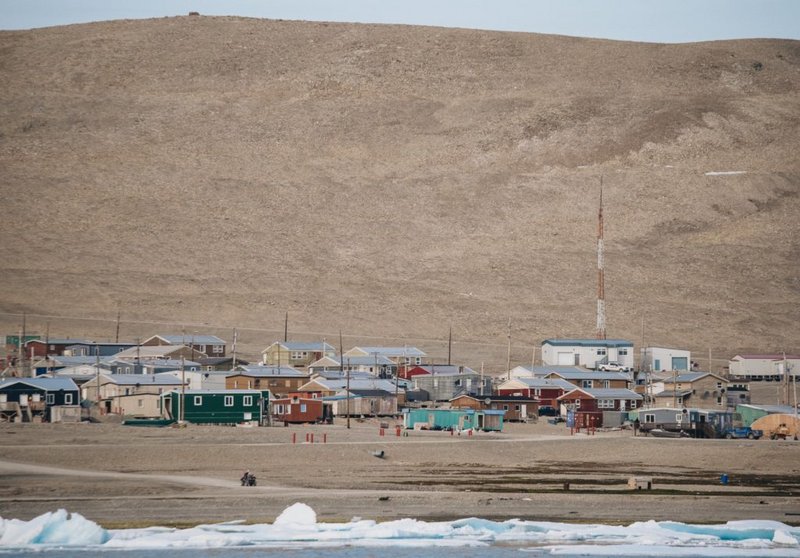
Resolute, also known by its Inuit name Qausuittuq, is one of the northernmost permanently inhabited communities in Canada. Located on Cornwallis Island in Nunavut, it has a population of approximately 200 people. The settlement was established in 1953 as part of Canada’s efforts to strengthen its presence in the Arctic. Today, it serves as an important transportation and research hub, with an airport connecting this remote community to the rest of the country.
10 Dikson (Krasnoyarsk Krai, Russia)
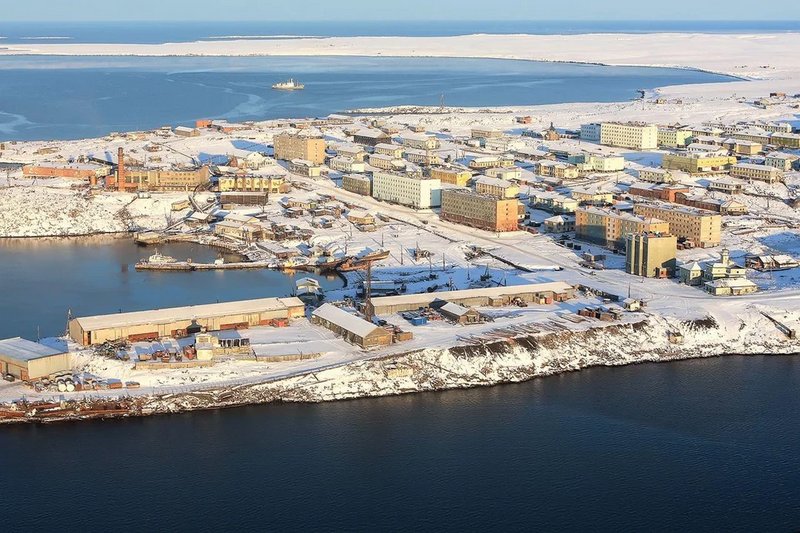
Dikson is one of the northernmost permanently inhabited settlements in Russia, located on the coast of the Kara Sea. Once an important Arctic port and meteorological center, it played a significant role in supporting navigation along the Northern Sea Route. Its population has declined dramatically since the Soviet era, and only a small number of residents remain. The settlement experiences extremely long winters, strong winds and months of polar darkness, making everyday life a real test of endurance.