At the house where I grew up, there was a pale pink tea rose bush. Every spring, it burst into bloom, filling the air with an unforgettable fragrance. Many years have passed, but the sight and scent of those flowers still bring back warm memories and a touch of childhood nostalgia.
The rose, often called the queen of flowers, has inspired gardeners and breeders for centuries. Modern breeding has produced an extraordinary range of colors, shapes, and fragrances, while a few unusual varieties have become famous for their distinctive appearance. Some look almost black, others display several colors on a single flower, and one famous variety even has green, leaf-like blooms instead of conventional petals.
Here are 10 unusual roses that stand out for their colors, shapes, and fascinating botanical characteristics.
1 The black rose
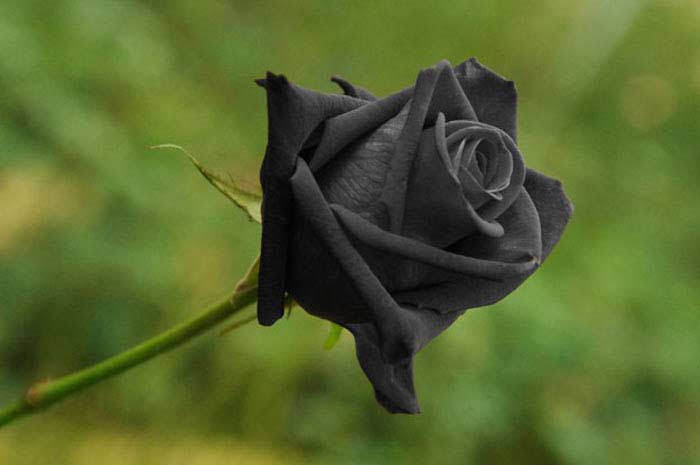
A truly black rose does not occur naturally in the way many people imagine. Some varieties, such as Black Baccara, have exceptionally dark, velvety red petals that can appear almost black in certain lighting. The Turkish town of Halfeti is also famous for roses that develop unusually deep crimson or burgundy shades under local growing conditions. However, claims that these flowers are naturally pure black are misleading. If you want an even darker appearance, florists can also use dyes to color white or pale roses.
2 The rainbow rose

Rainbow roses look as though someone has painted each petal a different color. In reality, they are usually created by taking a white rose and introducing different colored dyes through its stem. As the flower absorbs water, the dyes travel into different sections of the petals, producing a rainbow effect. The result is striking, but it is not a naturally occurring rose variety. Although rainbow roses became particularly famous through specialized florists, the technique is not exclusive to a single company. Their cost depends on the production method, availability, and florist.
3 Suntory blue rose Applause
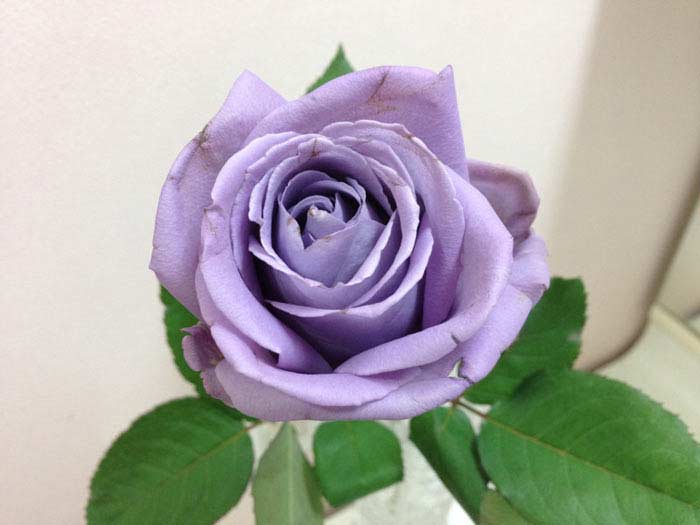
For centuries, breeders have dreamed of creating a naturally blue rose. Conventional roses lack the biological pathway needed to produce the blue pigment delphinidin in their petals. In 2004, Japanese researchers announced a breakthrough, and the genetically engineered Suntory blue rose Applause went on sale in Japan in 2009. The achievement involved introducing genetic material from other plants to enable the production of blue pigment. Despite its name, Applause is closer to lavender or mauve than to a vivid, pure blue. Nevertheless, it remains a remarkable example of how biotechnology can expand the possibilities of flower breeding.
4 The green rose, Rosa ‘Viridiflora’
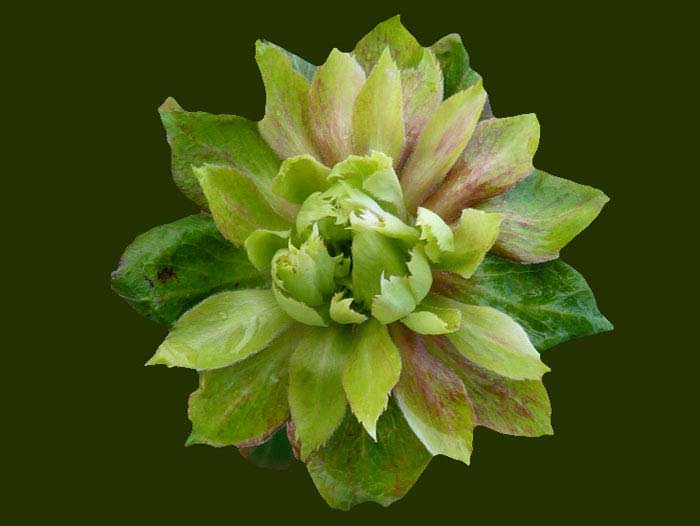
Rosa ‘Viridiflora’ is one of the most unusual members of the rose family. Instead of conventional petals, its flowers consist of green, leaf-like structures called bracts, which may gradually develop brownish or purplish tones as they age. This unusual appearance makes the plant look more like a cluster of tiny leaves than a traditional rose. The variety is also known as the green rose and is grown as an ornamental curiosity. Unlike many spectacular roses bred for their large, colorful flowers, Viridiflora is valued primarily for its unusual botanical appearance rather than fragrance.
5 Osiria rose
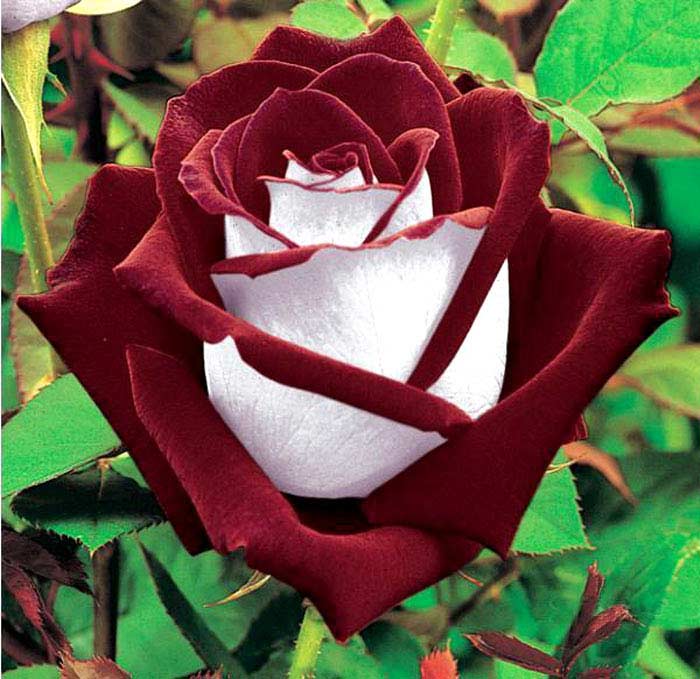
Osiria is a striking bicolor rose known for the contrast between its velvety red inner petals and pale, often white outer surfaces. The flowers are large, full, and usually strongly fragrant, making them particularly attractive to gardeners who enjoy dramatic color combinations. Although photographs of Osiria sometimes exaggerate the contrast through lighting and image editing, the underlying bicolor appearance is genuine. It is not necessarily one of the rarest roses in the world, but its distinctive coloring makes it a memorable addition to a rose garden.
6 Grace rose
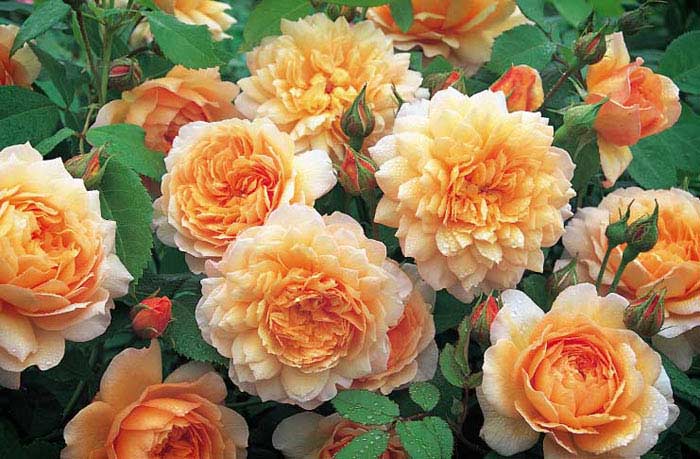
The English rose ‘Grace’, bred by David Austin, is known for its apricot-colored flowers and distinctive rosette shape. Its many petals form a rounded bloom that can resemble a small dahlia when fully open. The flowers have a fruity fragrance, and their color can shift from richer apricot tones toward softer shades as they mature. Grace belongs to the English rose tradition, which combines the charm of old-fashioned garden roses with characteristics sought in modern varieties. Rather than being exceptionally rare, it is a distinctive cultivar appreciated for its shape, color, and fragrance.
7 Pierre de Ronsard rose
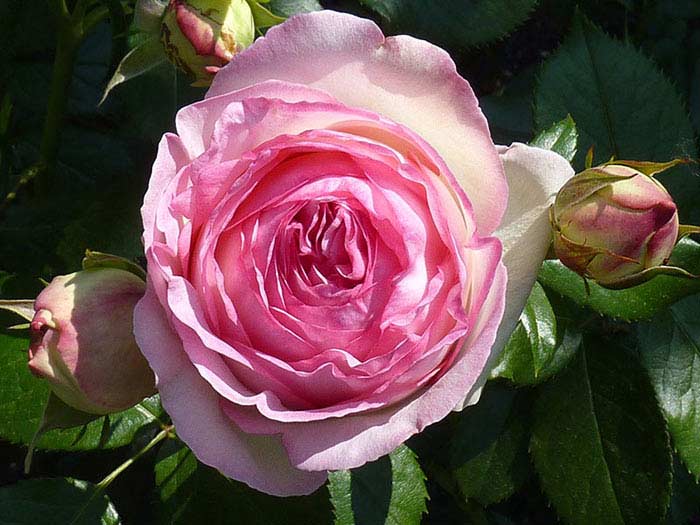
Pierre de Ronsard, also widely known as Eden Rose, is a celebrated climbing rose introduced by the French breeder Meilland in the 1980s. Its large, densely petaled flowers combine creamy white and pale pink tones, creating a romantic, old-fashioned appearance. The variety was named after the French Renaissance poet Pierre de Ronsard and became internationally popular for decorating walls, fences, and garden arches. It received the World Federation of Rose Societies’ recognition as a World Favourite Rose in 2006. Although it is not necessarily rare or among the world’s most expensive roses today, its beauty and reputation make it a classic.
8 Sweet Juliet rose
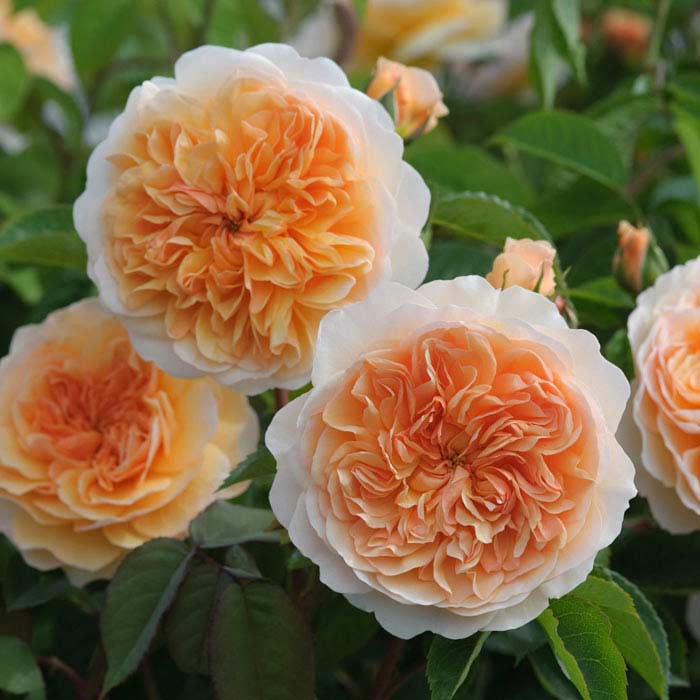
Sweet Juliet is one of the famous English roses created by breeder David Austin. Its soft apricot-colored flowers have a graceful, rounded shape and a fresh, fruity fragrance. Developing the variety reportedly took around 15 years, making it one of the breeder’s notable achievements. Stories about its development have sometimes claimed extraordinarily high costs, but such figures should not be confused with the price of an individual plant or flower. Sweet Juliet is valued for its delicate appearance and breeding history, rather than being universally regarded as one of the most expensive roses on the market.
9 Pour Caprice rose
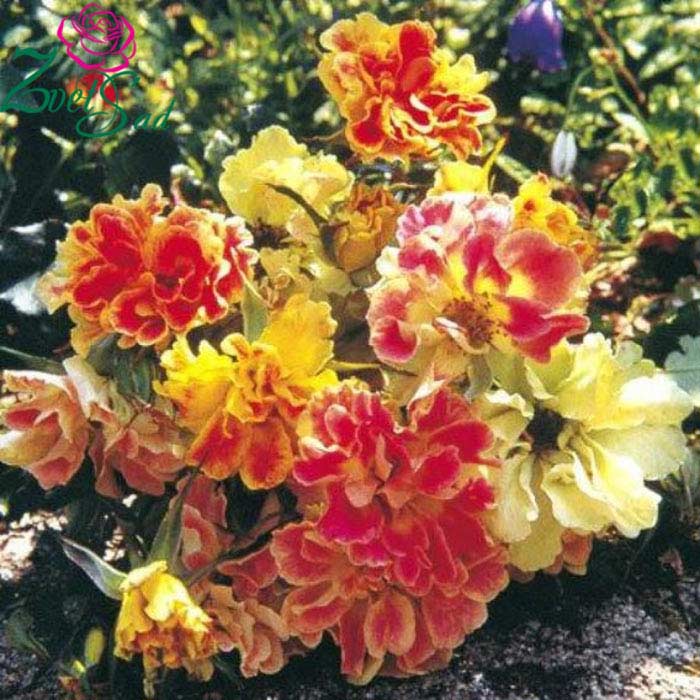
The name Pour Caprice is associated with unusual rose imagery, but reliable information about the precise cultivar and its characteristics is limited. Some roses change in appearance as their flowers open and age: petals may become lighter, darker, or develop different shades depending on temperature, sunlight, and growing conditions. This natural variation can make a bloom look different from one day to the next. Without reliable cultivar documentation, however, it would be misleading to claim that Pour Caprice has a unique or scientifically established ability to change color in a particular way. Its place in this list reflects the appeal of unusual rose colors and forms.
10 Tiger-striped roses
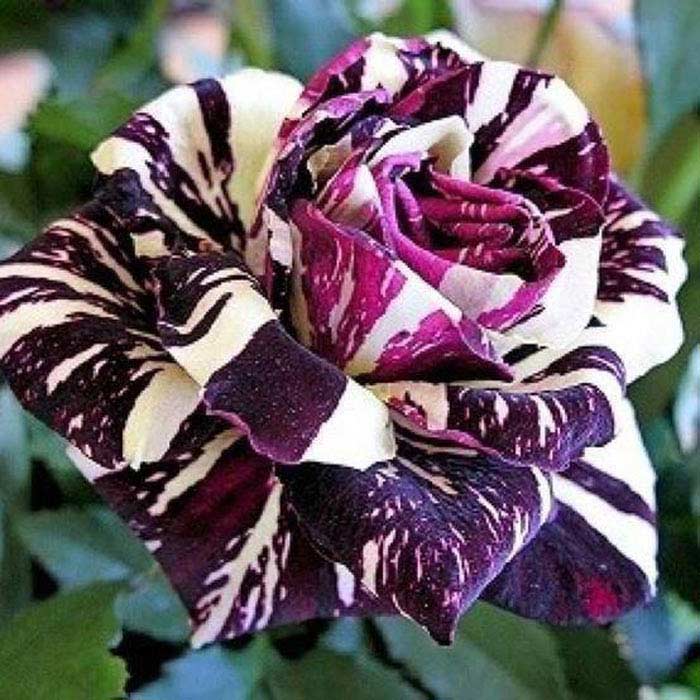
Tiger-striped roses feature contrasting stripes, streaks, or speckles that make their petals look almost painted. Some rose cultivars naturally develop unusual patterns, while other striped roses sold by florists are created using dyes. The appearance can vary significantly between cultivars, with combinations of red, pink, yellow, cream, and white. These distinctive flowers are not necessarily rare in every market, but they remain less familiar than conventional single-color roses. For gardeners looking for something different, striped varieties offer a dramatic alternative to traditional rose colors.
Roses come in far more forms than the familiar red, white, and pink blooms found in bouquets. From the green, leaf-like flowers of Viridiflora to the biotechnology behind the blue Applause rose, unusual varieties demonstrate the remarkable diversity of this beloved plant. And sometimes, the most memorable flower is not the rarest or most expensive one, but the one whose fragrance brings back a cherished memory.