Comparing the length of literary works is not as straightforward as it might seem. How can we compare Marcel Proust’s In Search of Lost Time with a modern Indian epic or a multi-volume historical novel? Page counts depend on the language, edition, typography and format.
For this ranking, we focus on exceptionally long works of fiction published in book form, including multi-volume novels and literary cycles. The figures are approximate and refer to particular published editions, not a universal measurement of literary length. The list includes works that are remarkable not only for their size but also for their ambition, historical scope and influence.
1 Venmurasu – approximately 22,400 pages
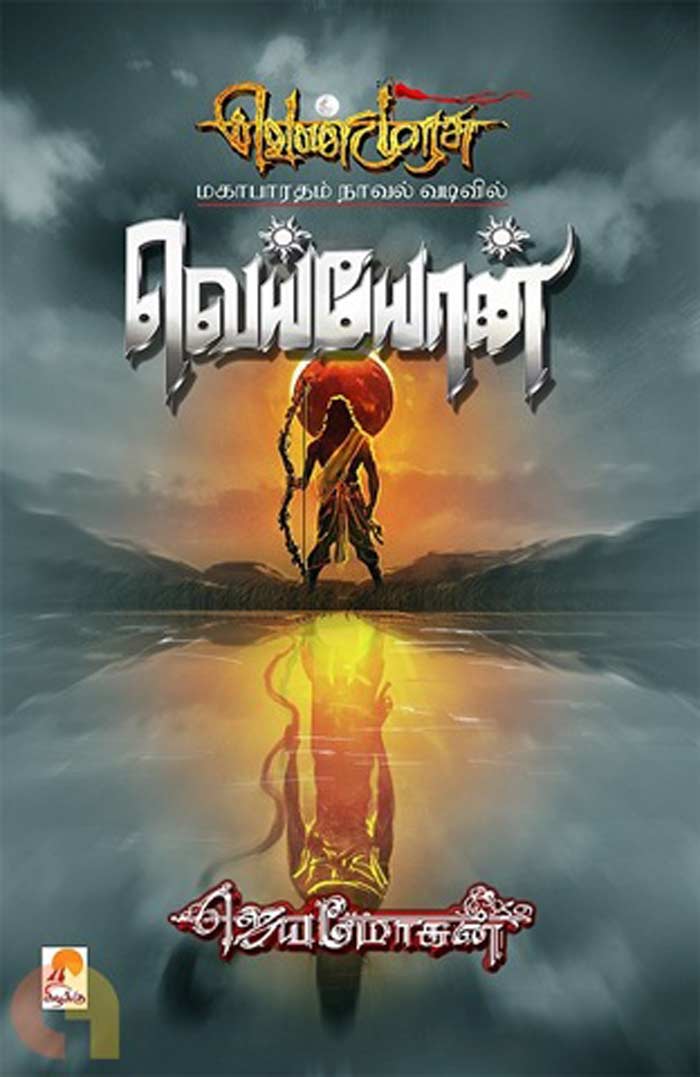
Written by Indian author Jeyamohan, Venmurasu is a monumental modern retelling inspired by the ancient Indian epic Mahabharata. Written in Tamil, the work explores its characters, mythology and philosophical themes across 26 volumes.
Jeyamohan published the project online between 2014 and 2020. Its printed editions are reported to comprise approximately 22,400 pages, making it one of the largest modern literary projects ever completed.
2 Artamène, or Cyrus the Great – 13,095 pages

Published in ten volumes between 1649 and 1653, Artamène, or Cyrus the Great is one of the longest novels of the seventeenth century. Although its title pages credit Georges de Scudéry, the work is generally associated with his sister Madeleine de Scudéry, who is believed to have written much of it.
The novel combines romance, adventure and political intrigue, using ancient Persia as its setting while reflecting the social world of contemporary French aristocracy. Its enormous length is often estimated at nearly two million words.
3 Gordana – approximately 8,768 pages

Written by Croatian author Marija Jurić Zagorka, Gordana is a monumental historical novel set in medieval Croatia. Its story combines political intrigue, romance and the struggles for power that shaped the region.
The work was originally published in several instalments and later collected into a multi-volume edition. A commonly cited edition contains approximately 8,768 pages across twelve volumes, making it one of the longest Croatian novels.
4 Men of Good Will – approximately 7,386 pages
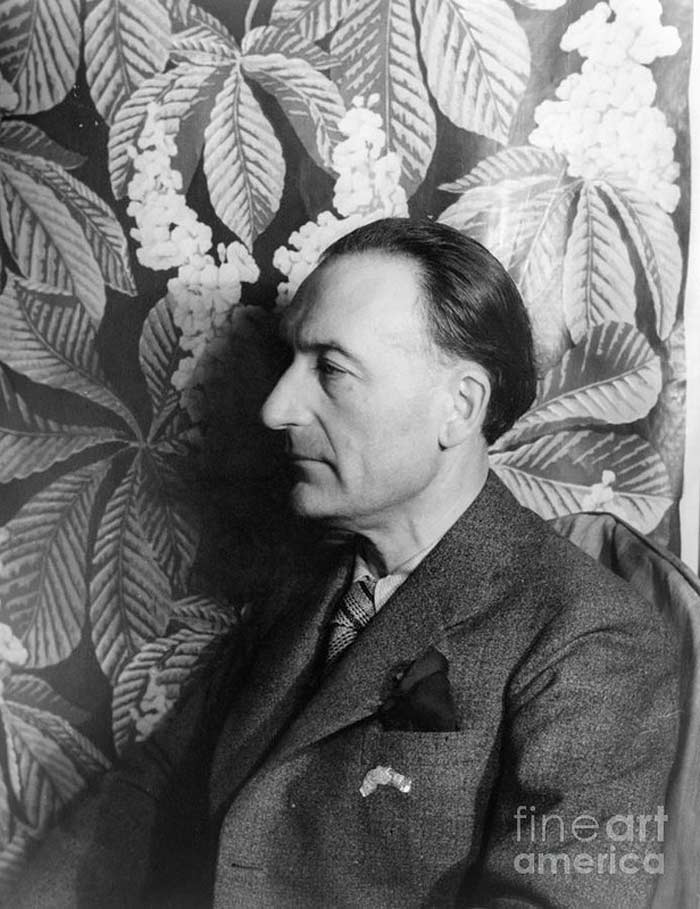
French writer Jules Romains created one of the most ambitious literary portraits of modern society with Men of Good Will. Published between 1932 and 1946, the novel consists of 28 volumes and follows hundreds of characters through French society during the first decades of the twentieth century.
Rather than focusing on one central hero, Romains presents a broad picture of social and political change. The complete work is commonly listed at around two million words and more than 7,000 pages, depending on the edition.
5 A Chronicle of Ancient Sunlight – approximately 6,062 pages
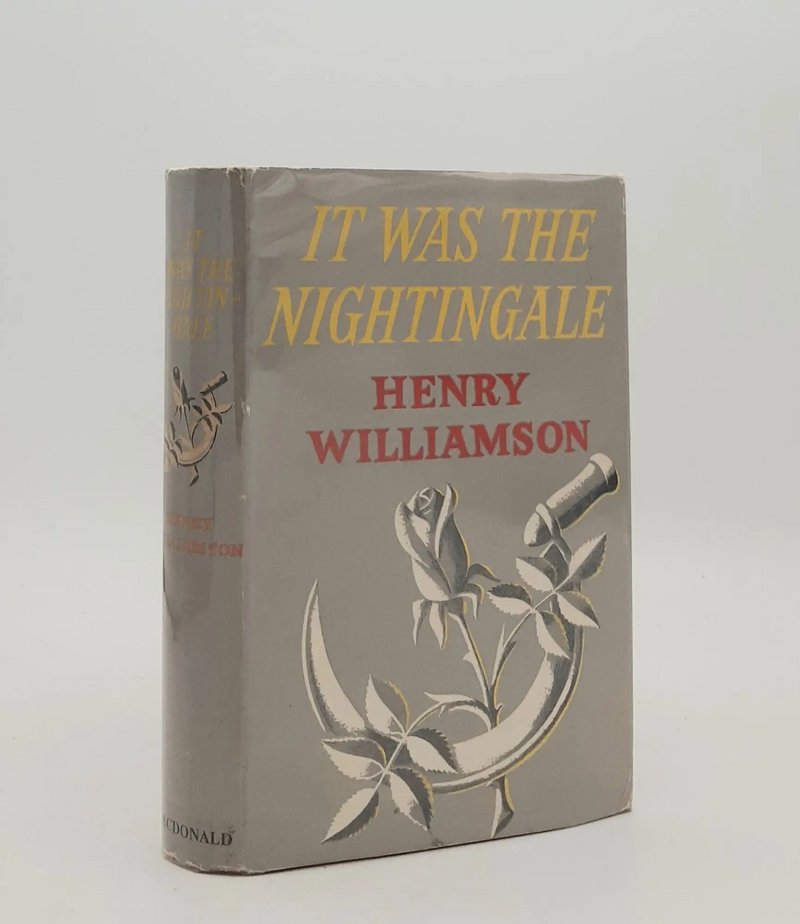
British author Henry Williamson spent nearly two decades writing this fifteen-volume autobiographical novel cycle, published between 1951 and 1969. It follows the life of its central character, Phillip Maddison, against the background of enormous social and historical changes.
The series explores childhood, rural life, the First World War and the transformation of British society. Its complete edition is commonly listed at approximately 6,062 pages.
6 The Astrée – approximately 5,399 pages

French writer Honoré d’Urfé spent more than two decades creating The Astrée, a pastoral romance published in several parts between 1607 and 1627. The story follows the love between the shepherdess Astrée and the shepherd Céladon, set in an idealised version of ancient Gaul.
The novel became one of the defining works of seventeenth-century French literature and helped popularise the pastoral romance. A complete edition is often cited as containing approximately 5,399 pages.
7 Het Bureau – approximately 5,058 pages
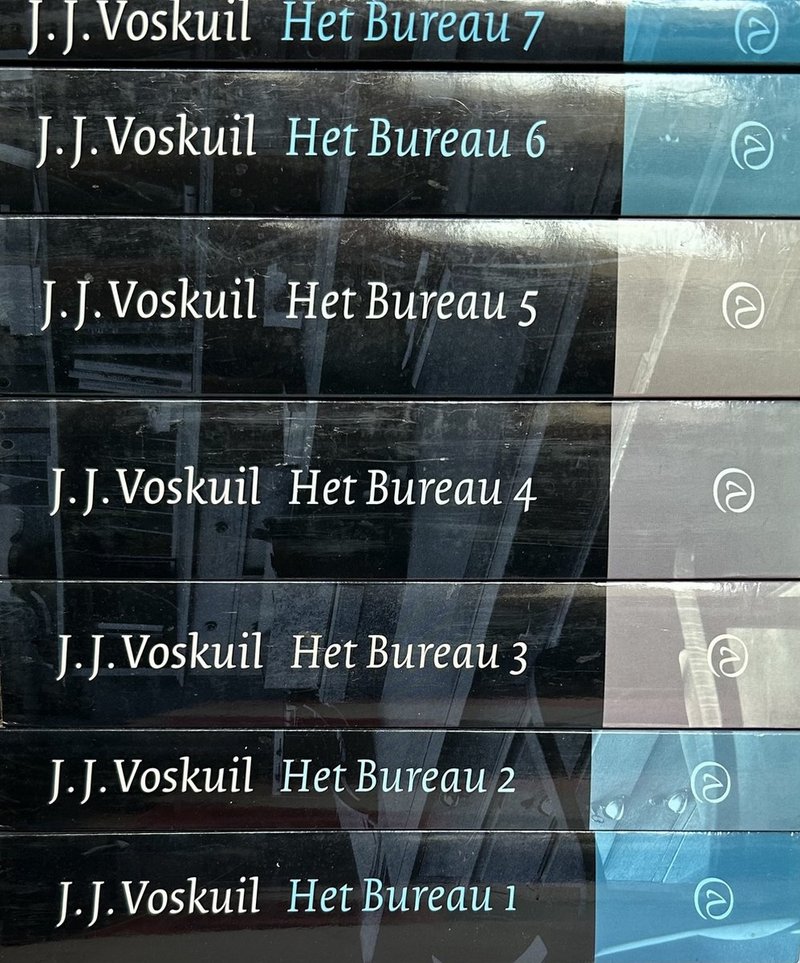
Dutch author J. J. Voskuil created an unusually detailed portrait of everyday working life in Het Bureau (The Office). Published in seven parts between 1996 and 2000, the series is based on the experiences of an ethnographer working at a research institute in Amsterdam.
Its apparently ordinary subject becomes an extensive examination of office politics, bureaucracy, relationships and the passage of time. The complete Dutch edition is reported to contain approximately 5,058 pages.
8 Mission Earth – approximately 3,992 pages
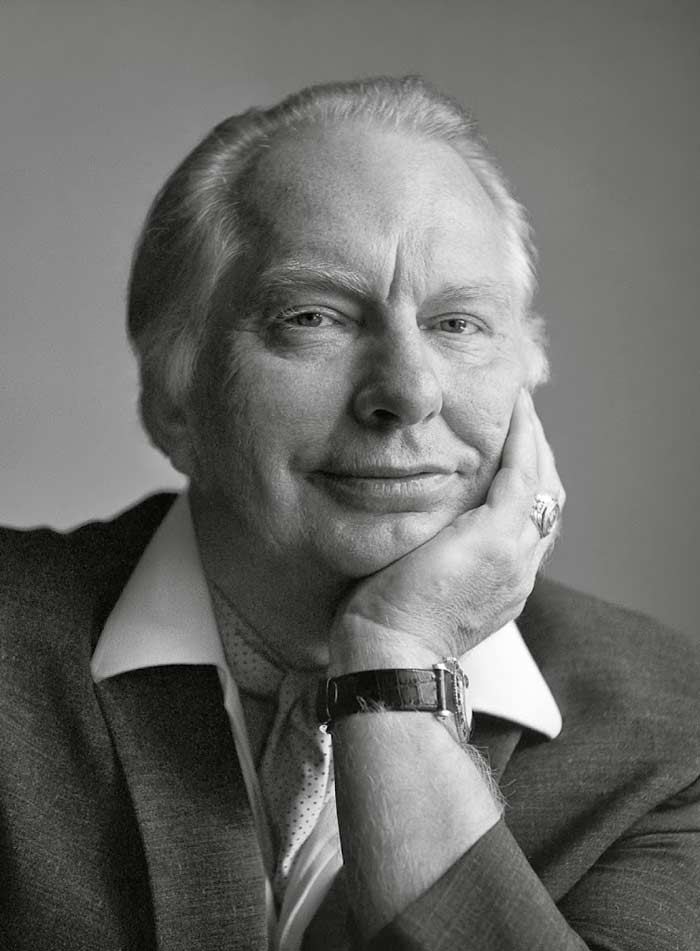
L. Ron Hubbard’s Mission Earth is a ten-volume science fiction series published between 1985 and 1987. The story follows an alien agent sent to Earth, where his mission becomes entangled with human politics, technology and society.
The series is known for its extravagant plot, satire and controversial themes. Its ten volumes together contain approximately 3,992 pages in commonly cited editions.
9 In Search of Lost Time – approximately 3,031 pages

Marcel Proust’s In Search of Lost Time is one of the most celebrated works in world literature. Published between 1913 and 1927, the seven-part novel explores memory, love, jealousy, social life and the passage of time through the narrator’s experiences.
The work contains an estimated 9.6 million characters, including spaces, and is recognised by Guinness World Records as the longest novel by character count. Its page count varies considerably between editions; one commonly cited edition contains approximately 3,031 pages.
10 Kelidar – approximately 2,836 pages
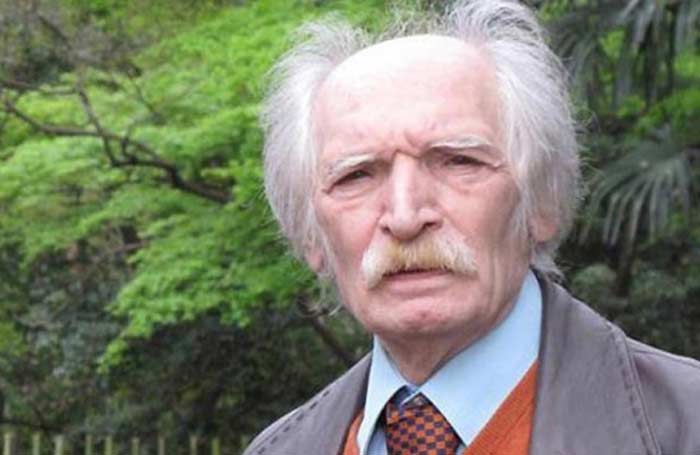
Iranian writer Mahmoud Dowlatabadi spent several years writing Kelidar, a monumental novel about a Kurdish family living in northeastern Iran during the 1940s. The story explores family relationships, rural life, political tensions and the social changes affecting the region.
Written in Persian and published in ten volumes, Kelidar is widely regarded as one of the most important long novels in modern Iranian literature. Its commonly cited length is approximately 2,836 pages.