Mushrooms are a popular ingredient in many cuisines, and for many people, picking them in the forest is a favourite autumn activity. But not every mushroom is safe to eat. Some contain powerful toxins that can cause severe poisoning, damage internal organs and even lead to death.
The most dangerous mushrooms are not always easy to recognise. Some look very similar to edible species, and ordinary cooking, drying or freezing does not necessarily destroy their toxins. Here are ten of the most poisonous mushrooms in the world.
1 Panther cap

The panther cap (Amanita pantherina) is a highly poisonous mushroom belonging to the Amanita family. It contains ibotenic acid and muscimol, substances that affect the central nervous system.
Poisoning can cause nausea, vomiting, confusion, hallucinations, impaired coordination and, in severe cases, seizures or loss of consciousness. The first symptoms usually appear within a few hours after eating the mushroom. Its appearance can be deceptive, so it should never be collected for food.
2 Death cap
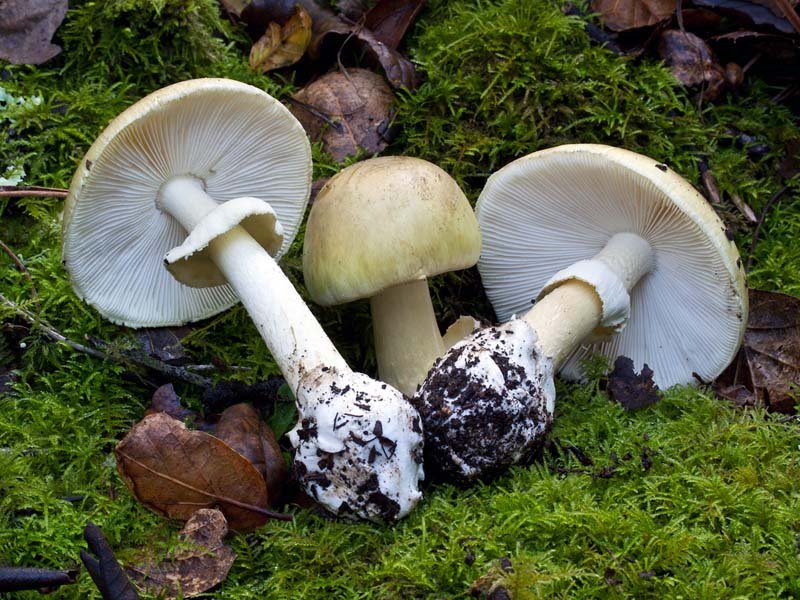
The death cap (Amanita phalloides) is one of the most dangerous mushrooms in the world. It contains amatoxins, which destroy liver cells and can cause acute liver failure.
The most dangerous feature of this mushroom is that poisoning symptoms may not appear until 6–24 hours after consumption. The first signs include severe abdominal pain, vomiting and diarrhoea. Sometimes the symptoms temporarily disappear, creating a false impression of recovery, while serious liver damage continues.
Even a relatively small amount can be fatal. Cooking, drying or freezing does not destroy its toxins. Suspected poisoning requires immediate medical attention.
3 Fool’s mushroom

The fool’s mushroom (Amanita verna), also known as the spring destroying angel, belongs to the same family as the death cap. It contains amatoxins that can cause severe liver damage and potentially fatal poisoning.
The mushroom is usually white, which makes it particularly dangerous for inexperienced mushroom pickers. It can be confused with several edible white mushrooms. As with the death cap, symptoms may appear only many hours after consumption, when the toxins have already begun damaging internal organs.
4 Destroying angel

The destroying angel (Amanita virosa) is another deadly member of the Amanita family. It contains amatoxins that attack the liver and can cause acute liver failure.
Its white cap, stem and gills make it look rather ordinary. Inexperienced mushroom pickers may mistake it for an edible mushroom. The first symptoms often appear 6–24 hours after consumption and include vomiting, abdominal pain and severe diarrhoea. A delay in treatment can have fatal consequences.
5 Deadly galerina

Deadly galerina (Galerina marginata) is a small brown mushroom that grows on decaying wood, tree stumps and fallen branches. Despite its modest size, it contains amatoxins, the same dangerous group of toxins found in the death cap.
It is particularly dangerous because it can be confused with edible mushrooms that also grow on wood, including some honey fungus species. Poisoning can cause severe liver damage and may be fatal. Its small size does not make it any less dangerous.
6 Ivory funnel

The ivory funnel (Clitocybe dealbata) is a small, pale mushroom that often grows in grass, meadows and lawns. It contains muscarine, a toxin that affects the involuntary nervous system.
The first symptoms can appear within 15–30 minutes after consumption. They include excessive sweating, salivation and tearing, followed by abdominal cramps, vomiting and diarrhoea. Severe poisoning may cause breathing difficulties, a slow heartbeat and dangerously low blood pressure.
7 Deadly webcap
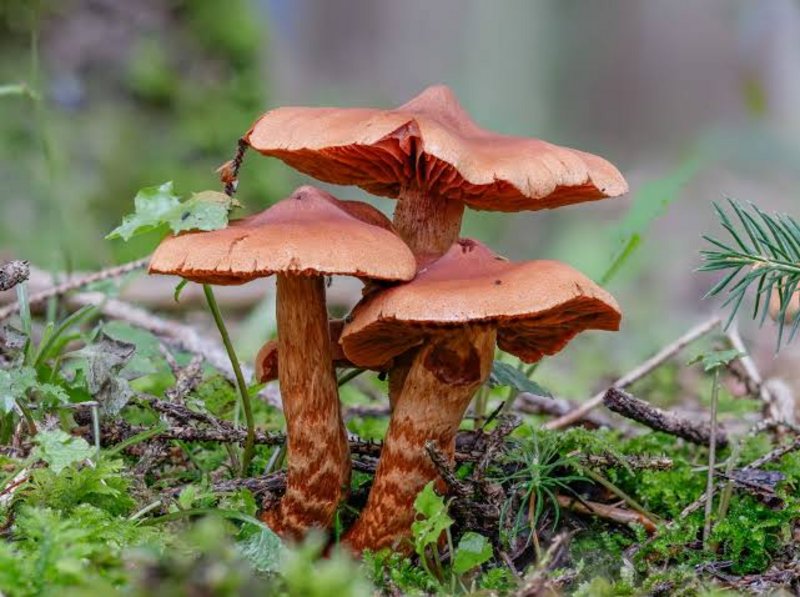
The deadly webcap (Cortinarius rubellus) is a highly poisonous mushroom containing orellanine. Unlike many other mushroom toxins, orellanine primarily attacks the kidneys.
The first symptoms may appear several days or even one to two weeks after consumption. They can include nausea, thirst, headache and general weakness. As the poisoning progresses, serious kidney damage may develop, sometimes requiring dialysis or even a kidney transplant.
The long delay between eating the mushroom and becoming ill makes this species particularly dangerous.
8 Sulphur tuft
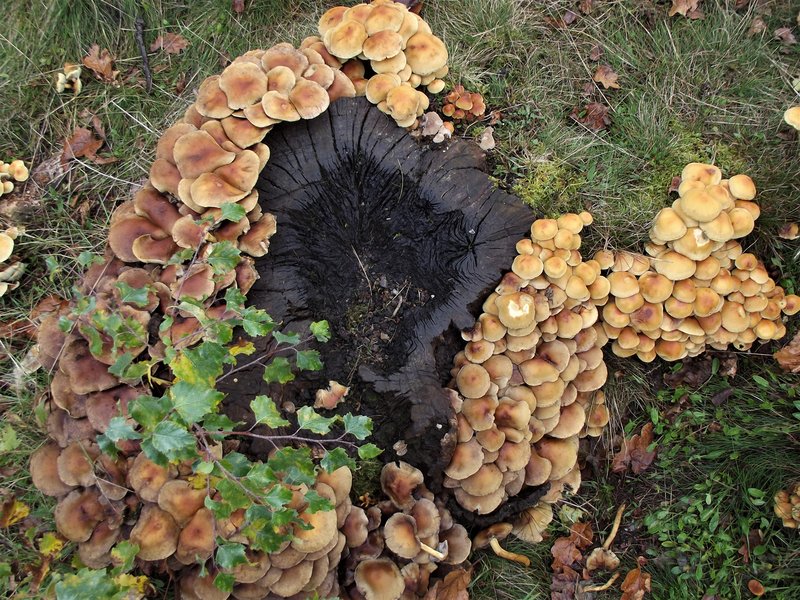
The sulphur tuft (Hypholoma fasciculare) is a poisonous mushroom that grows in dense clusters on tree stumps, fallen branches and decaying wood. Its yellowish cap and greenish-yellow gills make it quite distinctive, but it can still be confused with edible wood-growing mushrooms.
Eating it can cause nausea, vomiting, abdominal pain and diarrhoea. The severity of poisoning varies, but the mushroom should never be used as food.
9 Livid pinkgill

The livid pinkgill (Entoloma sinuatum) is a poisonous mushroom found mainly in deciduous forests. It can be confused with several edible woodland species, making it a dangerous find for inexperienced mushroom pickers.
Its toxins mainly affect the digestive system. Symptoms include abdominal pain, nausea, vomiting, diarrhoea and dizziness. They usually appear within a few hours after consumption. Most people recover, but severe poisoning can cause dangerous dehydration and require hospital treatment.
10 Deadly fibrecap

The deadly fibrecap (Inocybe erubescens), formerly known as Inocybe patouillardii, is a poisonous mushroom containing a high concentration of muscarine.
Symptoms can appear within 15–30 minutes after eating it. They include excessive sweating, tearing, salivation, abdominal cramps, vomiting and diarrhoea. In severe cases, poisoning can cause breathing difficulties, a dangerously slow heartbeat and a sharp drop in blood pressure.
The mushroom can be found in parts of Europe, including parks and woodland. Its appearance is not particularly unusual, which makes it important to avoid picking unidentified mushrooms.
Mushroom poisoning is not something to experiment with. Some toxins remain dangerous even after cooking, and the absence of symptoms immediately after eating a mushroom does not mean that everything is fine. Never eat a wild mushroom unless its identification has been confirmed by a qualified expert. If poisoning is suspected, seek emergency medical help immediately, even if the person feels well.