The modern world has many criminal organizations, each with its own leaders and bosses. Comparing today’s crime figures with the gangsters of earlier eras, however, is difficult and often misleading. Many of the notorious figures of the past built criminal empires based on violence, extortion, illegal gambling, and drug trafficking. Their so-called families operated according to their own codes, and breaking those rules could result in brutal punishment or death.
Here are ten of the most notorious and influential figures in the history of organized crime. This is a historical overview, not a definitive ranking.
1 Al Capone
(1899–1947)
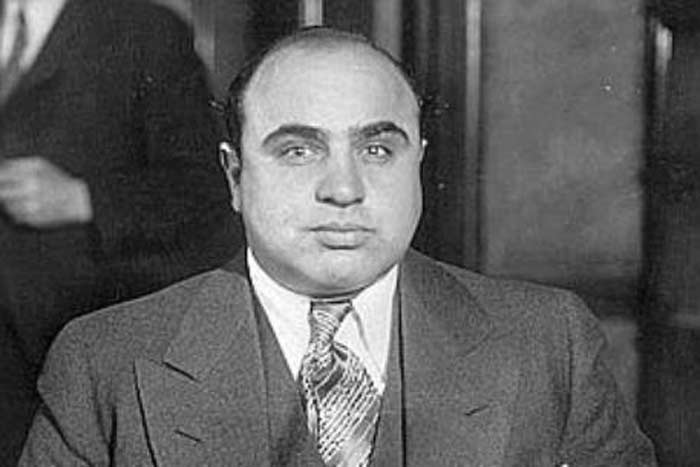
Al Capone was one of the most recognizable American gangsters of the Prohibition era. He became the boss of a powerful Chicago criminal organization involved in illegal alcohol distribution, gambling, prostitution, and extortion.
Capone is often associated with the St. Valentine’s Day Massacre of February 14, 1929, when seven men associated with rival gangster Bugs Moran were shot dead in Chicago. Although Capone’s organization was widely suspected of involvement, he was never charged with the murders, and the case remains officially unsolved.
Stories about Capone laundering money through a network of laundromats are frequently repeated, but the claim that he invented this method is not established fact. His criminal empire relied on a combination of illegal businesses, intimidation, and corruption. In 1931, he was convicted of federal tax evasion and sentenced to prison, rather than being convicted of murder or the other violent crimes commonly associated with his name.
2 Lucky Luciano
(1897–1962)

Born Salvatore Lucania in Sicily, Charles “Lucky” Luciano became one of the most influential figures in American organized crime. He rose to prominence in New York during Prohibition, working with other gangsters in illegal alcohol distribution and other criminal enterprises.
The nickname “Lucky” has been linked to his survival of a violent attack in 1929, although accounts of how he acquired it vary. Luciano helped reshape the structure of the American Mafia by promoting cooperation between criminal families and supporting a more organized system of leadership. He was a key figure in the development of the National Crime Syndicate and the Mafia Commission, which helped settle disputes among powerful groups.
In 1936, Luciano was convicted of compulsory prostitution-related charges and sentenced to prison. During World War II, his sentence was commuted, and he was deported to Italy in 1946. He spent the remainder of his life largely outside the United States.
3 Pablo Escobar
(1949–1993)
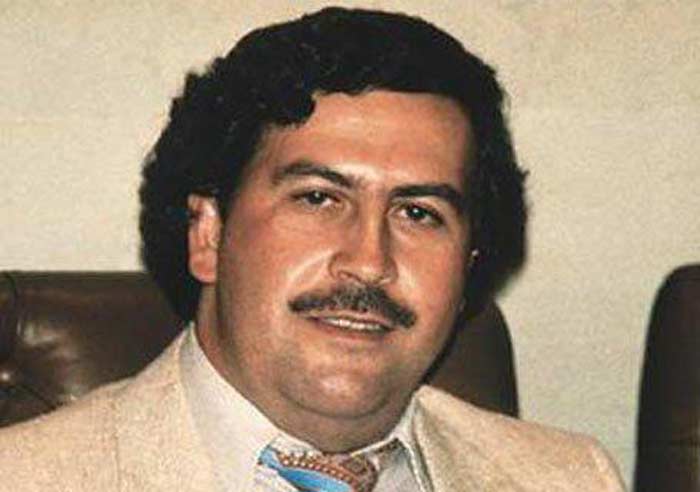
Pablo Escobar was the leader of Colombia’s Medellín Cartel, one of the most powerful cocaine-trafficking organizations of the 1980s. His network supplied enormous quantities of cocaine to international markets, particularly the United States.
Escobar’s organization used bribery, intimidation, kidnappings, and assassinations to protect its interests and challenge the Colombian state. The violence associated with the cartel killed police officers, government officials, judges, journalists, and civilians. Escobar was also linked to the bombing of an Avianca passenger plane in 1989, which killed 107 people.
At the height of his power, Escobar became extraordinarily wealthy, although estimates of his fortune vary considerably. He surrendered to Colombian authorities in 1991 but escaped from prison the following year. He was killed by Colombian security forces in Medellín on December 2, 1993.
4 John Gotti
(1940–2002)
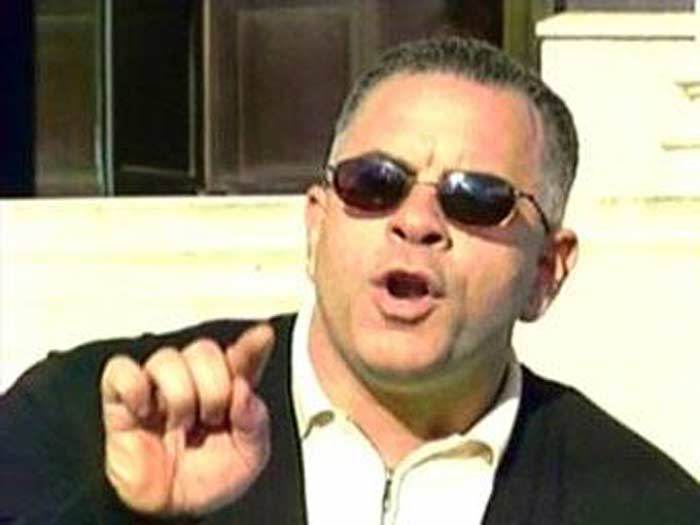
John Gotti became head of the Gambino crime family in New York after the murder of its previous boss, Paul Castellano, in December 1985. Known for his expensive suits and public confidence, Gotti attracted considerable attention from the media.
He acquired the nickname “Teflon Don” after several high-profile trials in the 1980s ended without convictions. The nickname did not last forever: in 1992, he was convicted of racketeering and multiple other offenses, including ordering murders. The conviction was aided by testimony from former close associate Salvatore “Sammy the Bull” Gravano.
Gotti was sentenced to life in prison without the possibility of parole. He died of throat cancer in federal custody in 2002.
5 Carlo Gambino
(1902–1976)
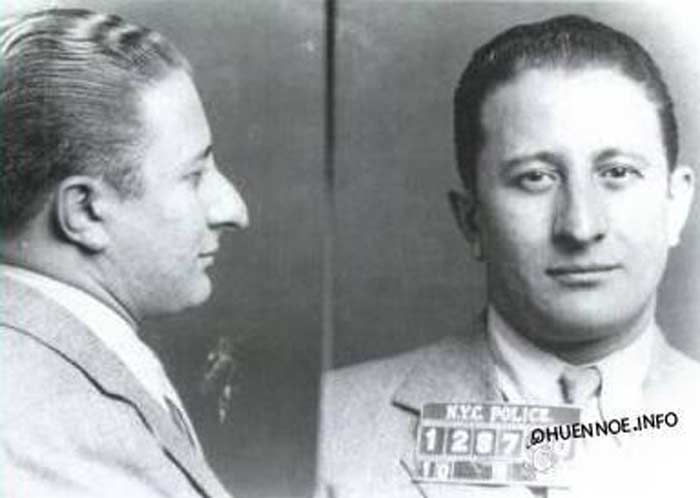
Carlo Gambino was an Italian-born American Mafia boss who became one of the most influential figures in organized crime in the United States. He took control of the crime family that later became known by his name and led it from the late 1950s until his death in 1976.
Under Gambino, the organization profited from activities including illegal gambling, extortion, labor racketeering, and other criminal enterprises. The Gambino family became one of New York’s five major Mafia families.
Gambino was often portrayed as a cautious and discreet leader who preferred to avoid unnecessary publicity. Unlike some other crime bosses, he reportedly opposed involvement in the narcotics trade because he believed it brought excessive law-enforcement attention. Nevertheless, the wider organization was not free of drug-related activity, and his reputation for avoiding publicity should not be confused with a lack of violence or criminal influence.
6 Meyer Lansky
(1902–1983)

Meyer Lansky was born in the Russian Empire, in what is now Belarus, and emigrated to the United States as a child. He became a prominent figure in American organized crime and a close associate of several influential gangsters, including Lucky Luciano.
Lansky was known for his financial skills and connections to illegal gambling, casinos, and other criminal businesses. During Prohibition, he was involved in bootlegging, the illegal trade in alcohol. He also became associated with gambling operations in Florida, Cuba, and other locations.
Lansky is frequently described as a financial strategist for organized crime, but popular accounts sometimes exaggerate his wealth and influence. Although he was linked to the broader network of organized crime leaders sometimes called the National Crime Syndicate, it would be inaccurate to say that he single-handedly created or controlled all American organized crime.
7 Joseph Bonanno
(1905–2002)
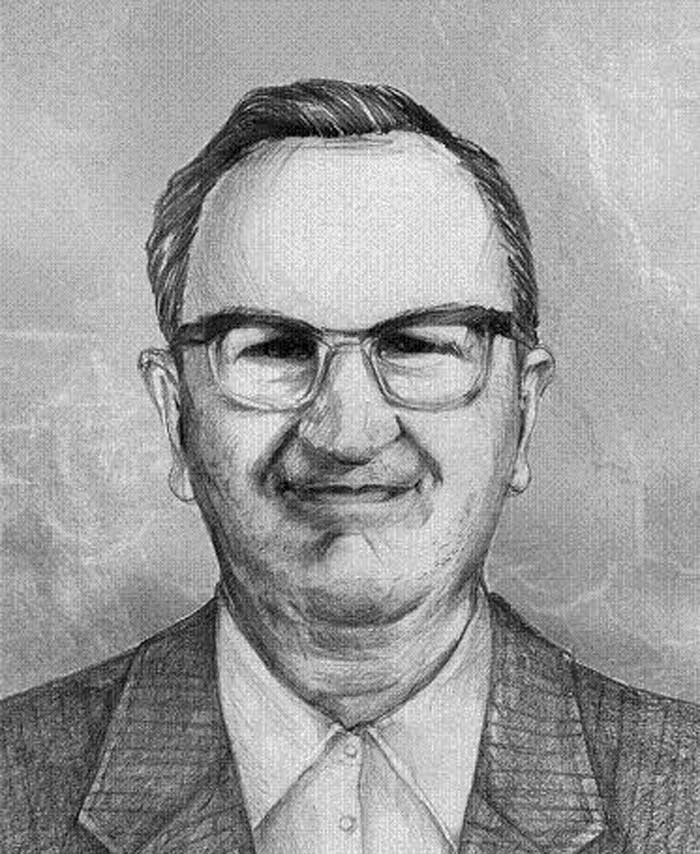
Joseph Bonanno, also known as “Joe Bananas,” was born in Sicily and became the leader of one of New York’s major Mafia families. He was involved in organized crime for decades and became a central figure in the power struggles that shaped the American Mafia.
Bonanno rose to prominence during the Castellammarese War of 1930–1931, a violent conflict among rival Mafia factions in New York. The struggle helped reshape the city’s criminal leadership and contributed to the emergence of a more structured system of cooperation between Mafia families.
Bonanno eventually withdrew from active leadership after internal conflict and later wrote a memoir about his life. The crime family associated with his name continued to exist after his retirement, although its leadership and operations changed over time.
8 Albert Anastasia
(1902–1957)
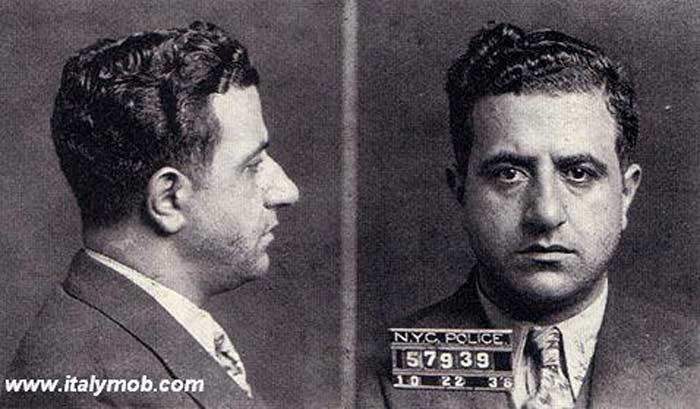
Albert Anastasia was a major American Mafia figure who led the organization later known as the Gambino crime family. He was also associated with Murder, Inc., a group of contract killers connected to organized crime in the 1930s and 1940s.
Anastasia acquired a fearsome reputation because of his association with organized violence. Popular accounts often attribute hundreds of murders to Murder, Inc., but exact totals and the extent of Anastasia’s personal responsibility are difficult to establish.
He was a close associate of Lucky Luciano and other powerful mobsters. In 1957, Anastasia was shot dead in a barber shop at the Park Sheraton Hotel in Manhattan. His murder remains one of the most famous episodes in the history of the American Mafia.
9 Vincent Gigante
(1928–2005)

Vincent “The Chin” Gigante became the leader of the Genovese crime family, one of New York’s major Mafia organizations. For years, he was known for appearing in public in bathrobes and slippers, sometimes behaving erratically on the streets of Greenwich Village.
Prosecutors argued that this behavior helped him avoid prosecution by creating the impression that he was mentally unfit to stand trial. His legal strategy delayed proceedings for years, but he was ultimately convicted of racketeering in 1997 and sentenced to prison.
Gigante remained an influential figure in organized crime for decades, despite repeated law-enforcement investigations. He died in federal custody in 2005.
10 Heriberto Lazcano
(1974–2012)

Heriberto Lazcano, known as “El Lazca,” was a leading figure in Los Zetas, a Mexican criminal organization that grew out of a group of former military personnel recruited to work for the Gulf Cartel.
Lazcano had served in the Mexican military before joining the criminal world. Los Zetas initially operated as an armed enforcement group for the Gulf Cartel but later developed into a major criminal organization in its own right. It became notorious for extreme violence, including killings and intimidation directed at rival groups and civilians.
Lazcano was widely regarded as one of the organization’s most violent leaders. He was killed during an operation by Mexican security forces in October 2012. He should therefore not be described as a living or current cartel leader.