One of the latest developments attracting attention is the newly unveiled Tesla Roadster. Its spectacular demonstration included airborne stunts and technology associated with SpaceX. However, calling it a true flying car is misleading: it is primarily an electric sports car, and the demonstrated ability to briefly lift off the ground does not make it a practical aircraft capable of sustained flight between destinations.
For more than half a century, science fiction has imagined aerial highways filled with flying cars. Today, that vision is closer to reality than ever, but there is still a significant gap between futuristic demonstrations and practical vehicles that can both fly and drive on public roads.
Many companies have attempted to turn the flying-car concept into reality. Some have built working prototypes, while others have produced little more than ambitious designs and promotional promises. Despite decades of development, flying cars have yet to become a mainstream form of transportation.
NASA has also explored the idea of personal air transportation, including its Personal Air Vehicle (PAV) research initiatives. Meanwhile, companies around the world continue to develop vehicles that combine road travel with aviation technology.
Here are 10 flying cars and experimental vehicles that have attempted to bring this futuristic vision closer to reality.
1 King Ludwig II’s imaginary flying car.

King Ludwig II of Bavaria, famous for his extravagant castles and fascination with technology, was declared mentally ill in 1886 and died under mysterious circumstances shortly afterward. However, there is no reliable historical evidence that he designed a flying car or that aviation specialists later reconstructed such a vehicle from his drawings. This story appears to be an unsubstantiated legend rather than a documented milestone in aviation history. Although the dream of flying cars has captivated inventors for generations, it is important to distinguish historical facts from imaginative tales.
2 Aerocar International’s Aerocar.

Designed by American inventor Moulton Taylor, the Aerocar was one of the most recognizable attempts to combine a conventional automobile with an aircraft. Its development began in the late 1940s, and the first prototype flew in 1949. The vehicle featured detachable wings and a tail assembly that could be connected for flight and towed behind the car on the road. Several examples were built, but the Aerocar never achieved mass production. Taylor later developed the Aerocar III, a more streamlined design with a distinctive red body and silver wings.
3 PAL-V Liberty: personal air and ground transportation.
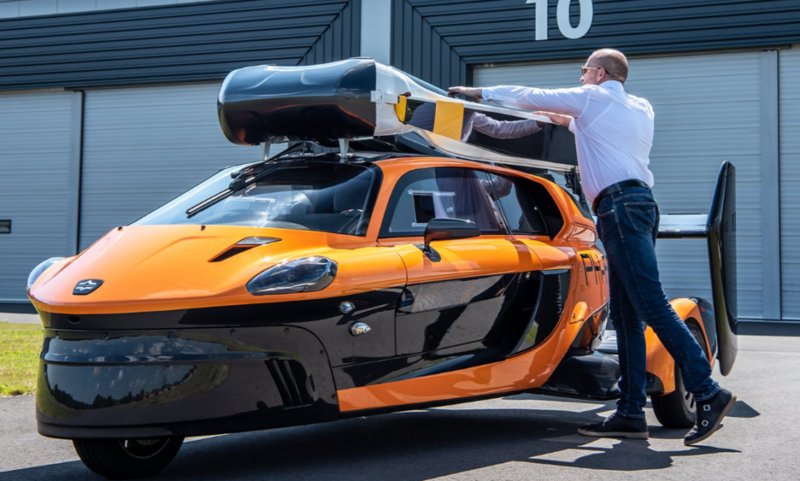
Dutch company PAL-V has developed the Liberty, a three-wheeled vehicle that combines a road-going car with a gyrocopter. Unlike many futuristic concepts, it is designed to operate both on public roads and in the air. Its rotor and other flight components fold away for road travel, while flight requires the vehicle to be configured as an aircraft. PAL-V has made significant progress toward production and has obtained important road and manufacturing approvals. However, as of 2026, the Liberty’s full aircraft type certification remains a key step before regular commercial flying operations can begin.
4 Moller M200X: a personal flying vehicle.
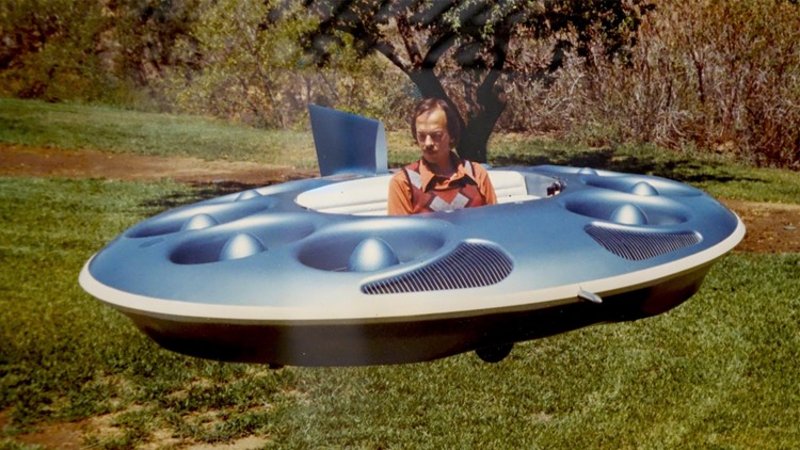
Developed by Canadian-American inventor Paul Moller, the M200X was an experimental personal aerial vehicle designed to take off and land vertically. Instead of conventional wings, it used multiple ducted fans to generate lift. The prototype conducted test flights beginning in the 1980s, demonstrating that the basic concept could leave the ground. However, it was not a road-legal car and did not develop into a commercially available flying vehicle. Its design nevertheless contributed to the broader exploration of compact vertical-takeoff aircraft.
5 Moller Skycar M400: a futuristic vertical-takeoff aircraft.
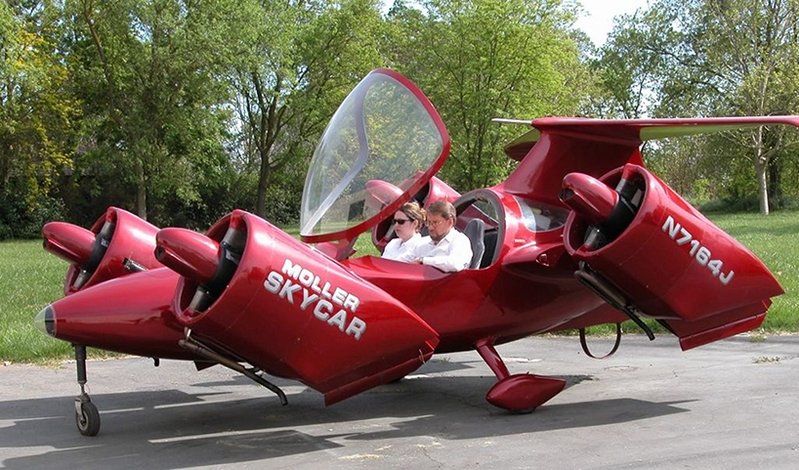
The Skycar M400 was one of Paul Moller’s most ambitious projects. Designed as a compact aircraft capable of vertical takeoff and landing, it was intended to make personal air travel more accessible. The concept promised impressive performance, with projected speeds of hundreds of kilometers per hour and the ability to fly above ground traffic. However, the advertised specifications and projected prices were development targets rather than verified commercial performance. The M400 never entered mass production, and the vision of an affordable personal flying car remains unrealized.
6 Macro SkyRider X2R.
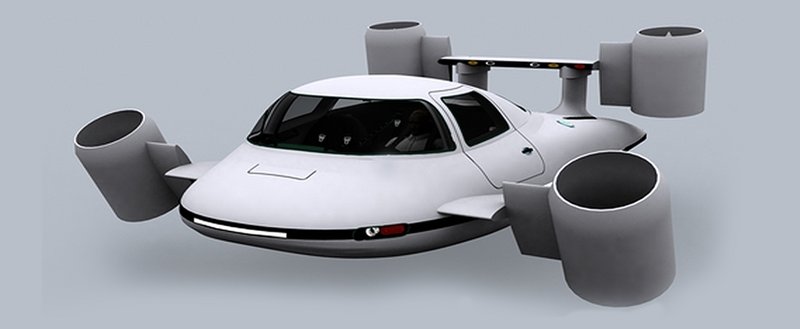
The Macro SkyRider X2R was promoted as a futuristic flying vehicle that could dramatically shorten journeys between cities. Promotional descriptions suggested that it might cover 200 miles (approximately 322 kilometers) in just 45 minutes. Early projections also placed its potential price somewhere between $500,000 and $1 million per vehicle. However, these figures were speculative, and there is insufficient reliable evidence that the X2R progressed into a fully operational, commercially available flying car. It illustrates how ambitious forecasts have often outpaced the engineering and certification required to make personal air transportation practical.
7 X-Hawk: a vertical-takeoff rescue vehicle.
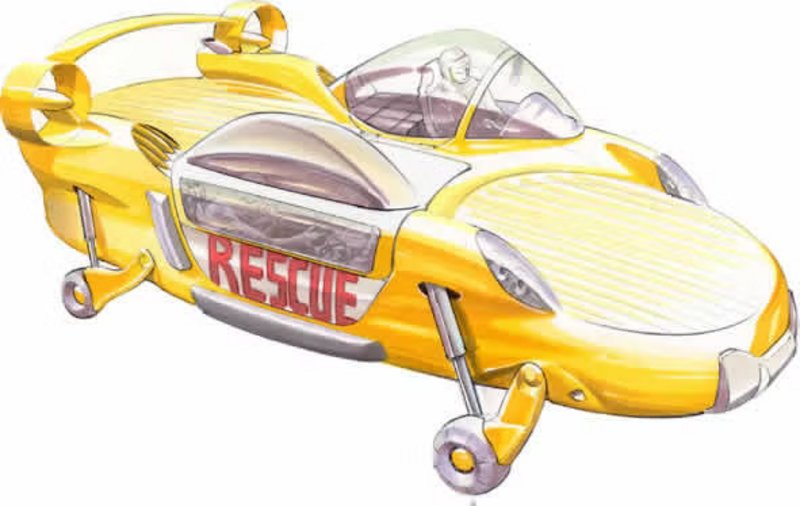
Developed by the Israeli company Urban Aeronautics, the X-Hawk was conceived as a compact vertical-takeoff and landing vehicle for emergency services and other specialized missions. Its design used enclosed rotors rather than conventional exposed helicopter blades, with the aim of operating in confined urban environments. The proposed aircraft could potentially transport rescue personnel or casualties over traffic congestion and other ground obstacles. Despite the promise of the concept, the X-Hawk did not become a widely deployed air ambulance or a road-legal flying car. Its development reflects the close relationship between flying-car research and the emerging field of urban air mobility.
8 Terrafugia Transition
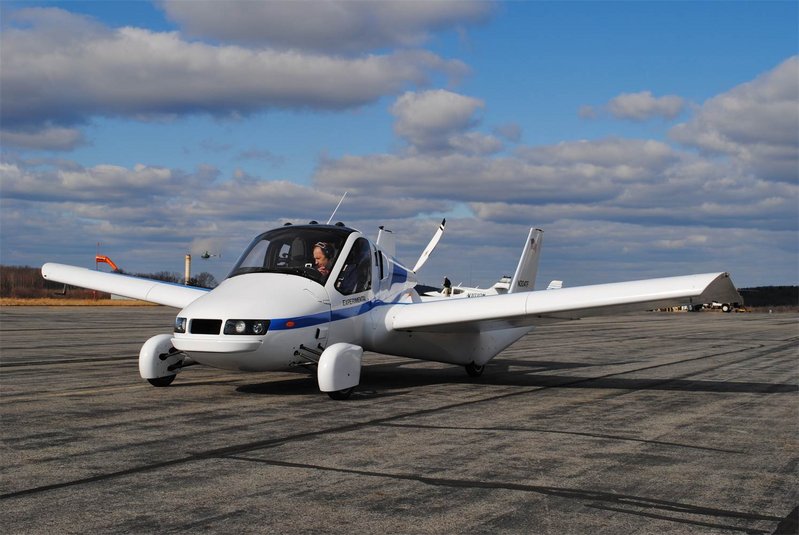
The Terrafugia Transition was one of the best-known roadable aircraft projects. Developed by an American company founded by MIT graduates, it featured folding wings that allowed it to be driven on roads and stored in a conventional garage. In the air, it operated as a small aircraft, requiring a suitable runway and a qualified pilot. Early plans anticipated production in 2009, but development and certification took much longer than expected. The Transition never became a widely available consumer vehicle, and its development timeline illustrates the considerable regulatory and engineering challenges facing roadable aircraft.
9 LaBiche Aerospace FSC-1
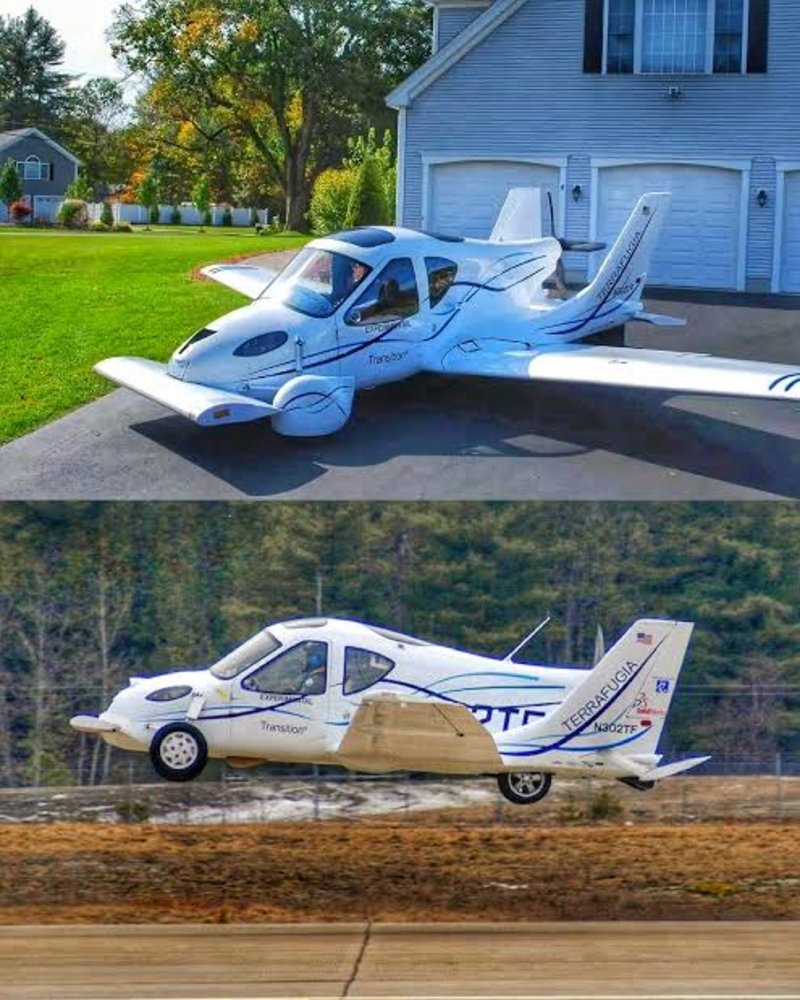
The LaBiche Aerospace FSC-1 was proposed as a roadable aircraft that could combine comfortable road travel with the freedom of flight. Its design envisioned wings and a rear propeller that could be folded or stowed when the vehicle was being driven on the road. Promotional material suggested a top speed of 275 miles per hour (approximately 443 kilometers per hour) and a kit price of around $175,000. However, these figures were proposed specifications, not verified results from a production vehicle. The FSC-1 did not become a commercially available flying car, highlighting the difficulty of turning ambitious engineering concepts into practical products.
10 MIT student’s roadable aircraft
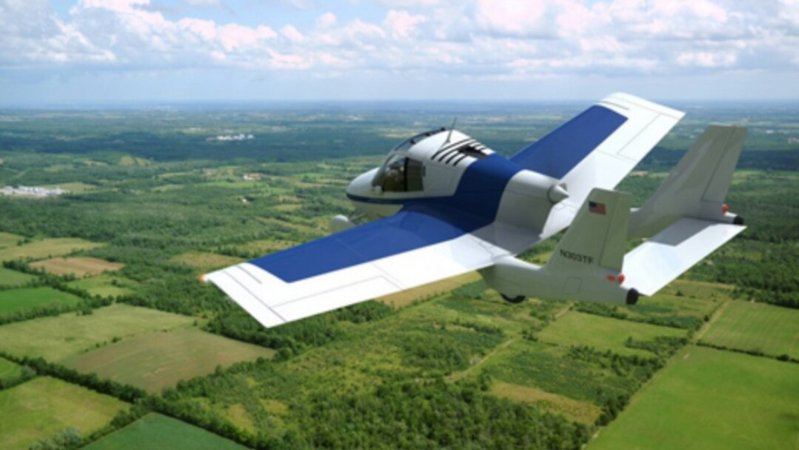
Carl Dietrich, an aeronautics and astronautics graduate of the Massachusetts Institute of Technology, helped develop the Transition through his company, Terrafugia, alongside a team of fellow MIT graduates. The project demonstrated how academic research could be transformed into a serious attempt to build a roadable aircraft. Early ambitions included making the vehicle available around 2010 for approximately $150,000, but those expectations proved too optimistic. Development, testing, and certification took considerably longer, and the Transition never became a mass-market product. The project remains an important example of the challenges involved in creating a vehicle that meets both automotive and aviation requirements.