For most of us, the word “cartel” instantly conjures up images from movies-luxury hideouts, speeding SUVs, and grizzled bosses with improbable nicknames. They seem far away and almost fictional, until the news interrupts with the latest arrest, like that of Fausto Isidro Meza Flores in Mexico. But behind every headline, there’s a bigger, older story. Cartels, far from being just shadowy villain groups, are sprawling organizations that rarely fit their movie stereotypes. Let’s take a more curious stroll-past the red headlines and backstories of the biggest cartels operating around the world.
1 Sinaloa Cartel: Old Friends, New Tricks
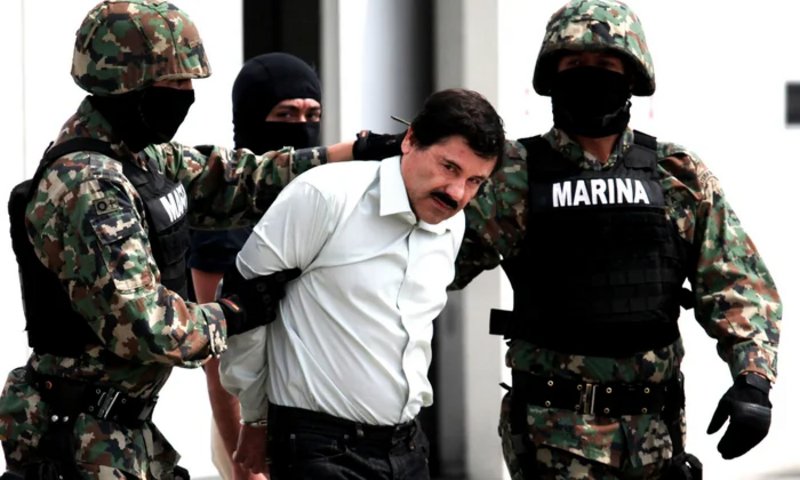
Mention a drug cartel and most people probably picture the Sinaloa Cartel, thanks in part to a certain infamous figure known as “El Chapo.” Based in northwestern Mexico, the group has been called the world’s most powerful drug trafficking organization. Yet, Sinaloa’s real strength isn’t just raw violence-it’s their astonishing adaptability. Whether by tunneling under walls or co-opting local officials, Sinaloa finds new ways to function, even after major arrests. Forget the Hollywood image: what really sets them apart is their ability to change with the times.
2 Jalisco New Generation Cartel (CJNG): The Newcomer With Teeth
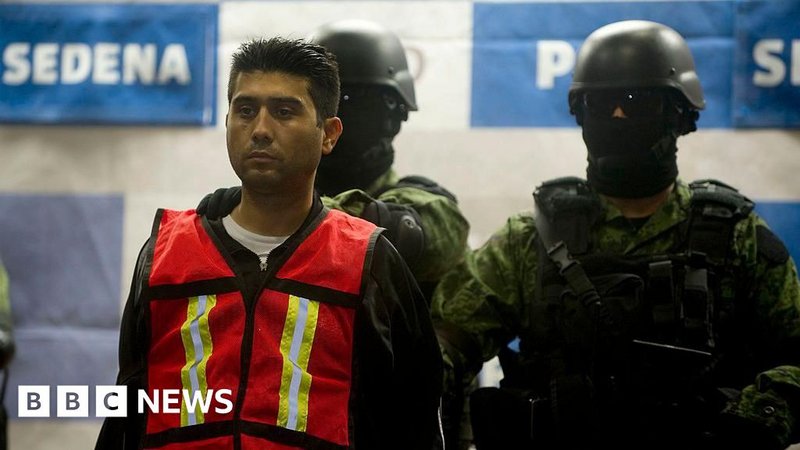
CJNG is what happens when a group gets tired of being in second place. Founded from a split within Sinaloa’s network, this cartel has built a reputation for brutality-and rapid expansion. They sport military-grade weapons and occasionally film their own propaganda. Unlike the tightly hierarchical older cartels, CJNG feels more like a digital-age startup: ruthless, networked, and eager to grow.
3 Los Zetas: Soldiers Turned Crime CEOs
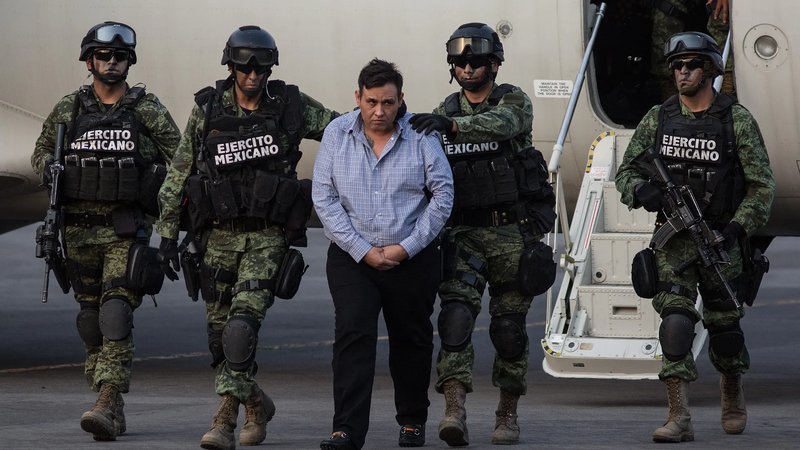
Los Zetas were born when a group of Mexican Army deserters joined forces with the Gulf Cartel, then took over. With ex-military precision, they built an empire on fear. They’re known less for smuggling drugs than for branching into every shady business possible: kidnapping, fuel theft, even pirated DVDs. They ruled by terror, earning a reputation as one of the most violent cartels outside of war zones.
4 Ndrangheta: The Italian Old Guard
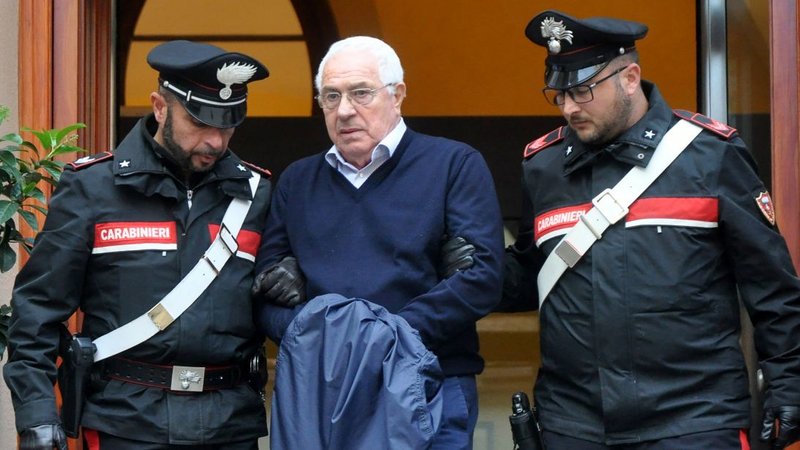
Italian cartels rarely make Hollywood’s shortlist. The ‘Ndrangheta, however, quietly became Europe’s cocaine pipeline over decades. Based in Calabria, Italy, they operate less like a cartel and more like a series of tight-knit families. Their gift is staying mostly out of sight: quietly moving billions across borders, while barely appearing in the public eye.
5 Yakuza: The Open Secret
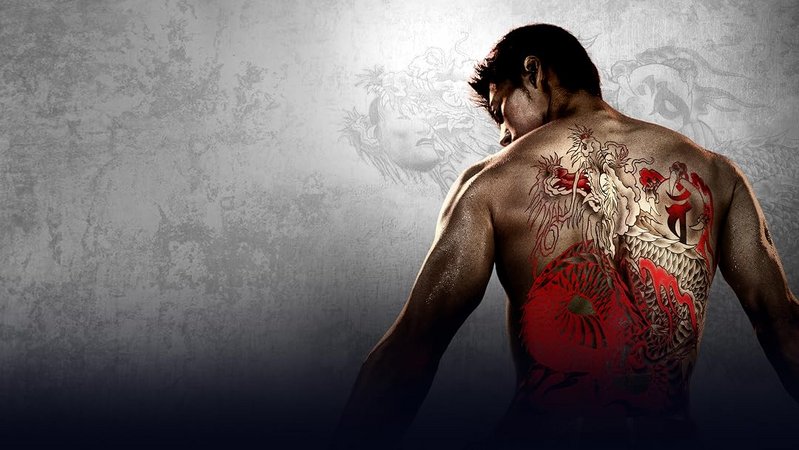
Japan’s Yakuza aren’t quite like the secretive drug gangs of Latin America. Everybody knows who they are-even the police. They print business cards, have office buildings, and often show up to local festivals. The Yakuza have diversified far beyond narcotics, engaging in real estate, finance, and, at times, disaster relief efforts. Their public visibility hasn’t kept them out of international crime networks, though.
6 Triads: The Chameleons of Organised Crime
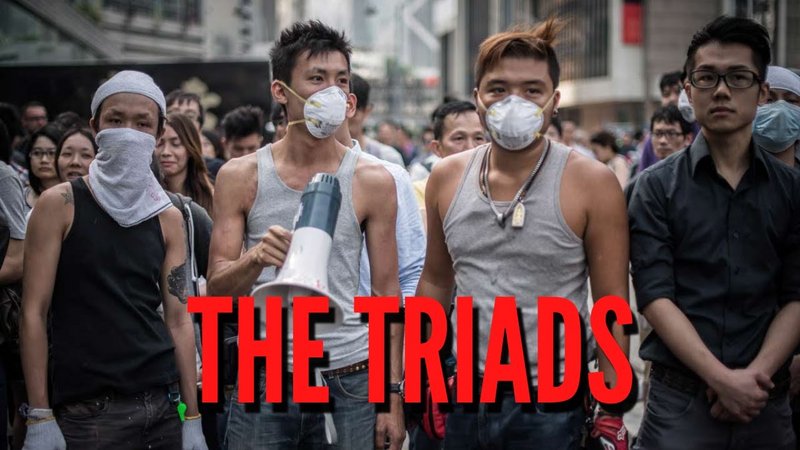
Triads are less of a single gang and more of a global franchise originating in China and Hong Kong. They’ve invested in everything from gambling to human trafficking. Historically, they mingled with politics; today, they’re still expanding, especially through Southeast Asia’s banking systems and digital commerce. The Triads’ true power lies in adaptability-always finding new markets, legal or not.
7 Medellín and Successors: The Shadow of Escobar
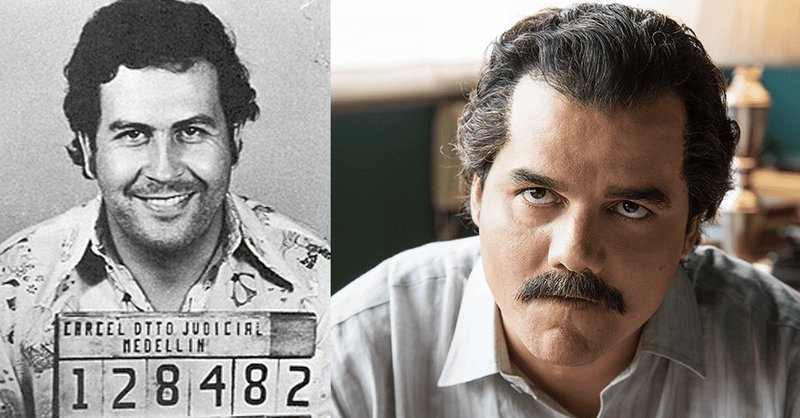
Pablo Escobar’s Medellín Cartel defined an era-and a Netflix genre. While the original group crumbled, its successors and rivals in Colombia never left the business. Groups like the Gulf Clan and smaller, splintered organizations still exploit the country’s role as the center of cocaine production. The world moved on, but Colombian cartel expertise remains an export product all its own.
8 The Russian Mafia: Networked and Nimble
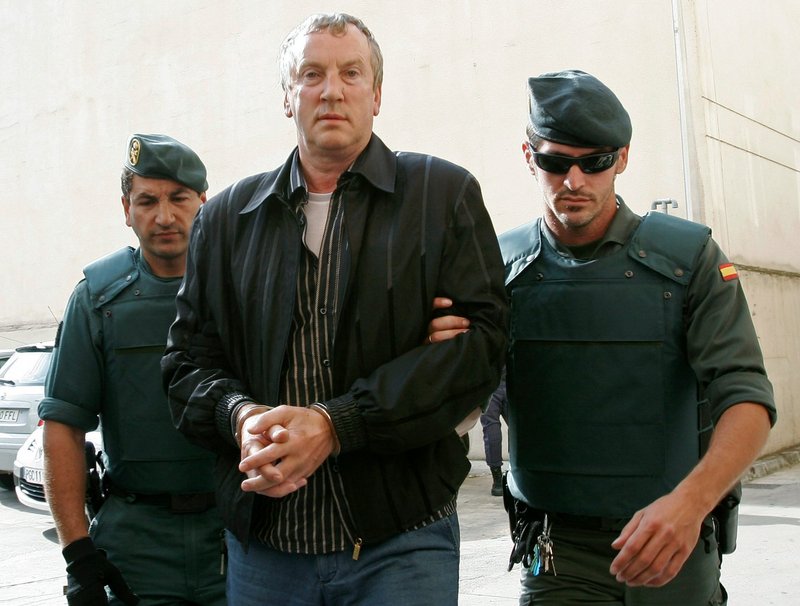
The vague label “Russian mafia” includes a web of organizations from Eastern Europe. After the Soviet collapse, these groups exported their skills: money laundering, drug trafficking, and cybercrime. Unlike some cartels on this list, there are no uniforms, no official bosses-just shifting alliances and enormous amounts of cash flowing quietly from Moscow to the world.
9 Albanian Cartels: The New “Logistics Experts”
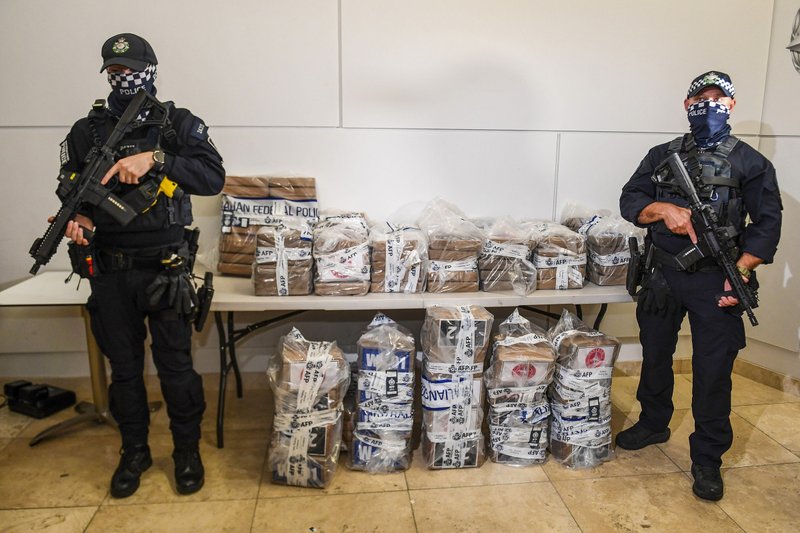
Once overlooked in Western Europe, Albanian cartels now run much of the cocaine trade into Italy and the UK. They’re known for their reliability-a rare trait in criminal enterprises. Remarkably tight-knit and secretive, they run their operations less like drug lords and more like freight forwarding companies, only with more intimidating phone calls.
10 Gulf Cartel: Mexico’s Chaotic Survivors
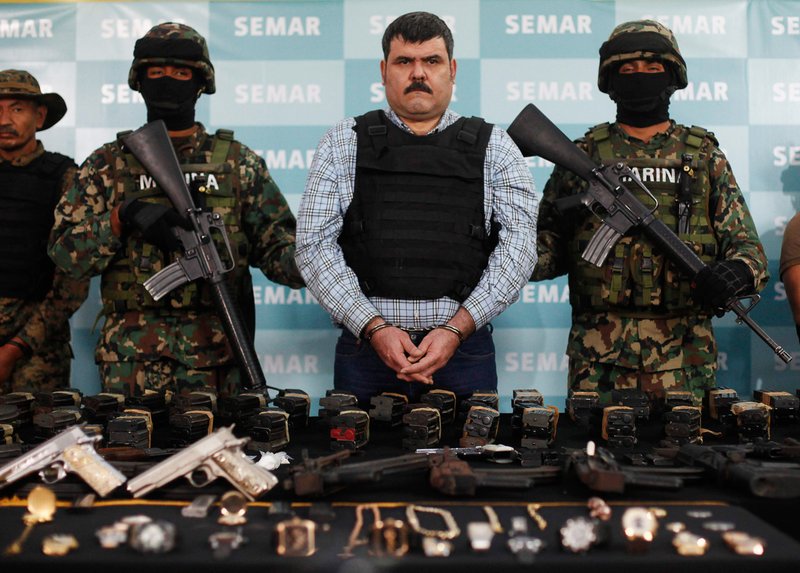
Before CJNG and Sinaloa became household names, the Gulf Cartel ruled Mexico’s northern borderlands. Decades of infighting, government pressure, and splits have left it battered but standing. Today, they’re more a patchwork alliance than a single machine-proof that even as headlines tout arrests, the story of cartels is never truly over.