What food should be on a festive table to make it look luxurious? Caviar, of course! Red caviar is a popular choice, while black caviar is often considered the ultimate luxury. Everyone knows how expensive it can be, and many have heard that fish roe contains a remarkable range of nutrients. After all, roe consists of fish eggs, which contain nutrients needed for the development of a growing embryo. The heroine of the film “Overboard” described the ideal caviar as having eggs of uniform size that burst simultaneously on the tongue, creating an unforgettable taste experience. Is that really what makes roe so special? Here are 10 types of roe that offer a fascinating variety of flavors, textures, and culinary uses.
1 Black caviar

Black caviar comes from sturgeon species, including beluga, Russian sturgeon, sterlet, and stellate sturgeon (sevruga).
Beluga caviar is among the most expensive varieties. Despite its name, black caviar is not always completely black: its color can range from dark gray to silver and golden shades. Lighter-colored eggs can be particularly prized, depending on the variety and quality. One exceptionally rare product is “Almas” caviar, traditionally associated with albino beluga sturgeon. Historic reports have quoted prices of around €18,500 per kilogram or more, although prices vary considerably and such figures should not be treated as current market rates. Beluga sturgeon can grow to impressive sizes and may take many years to reach maturity, but claims that a fish produces golden roe only once a century are not established facts.
2 Red caviar
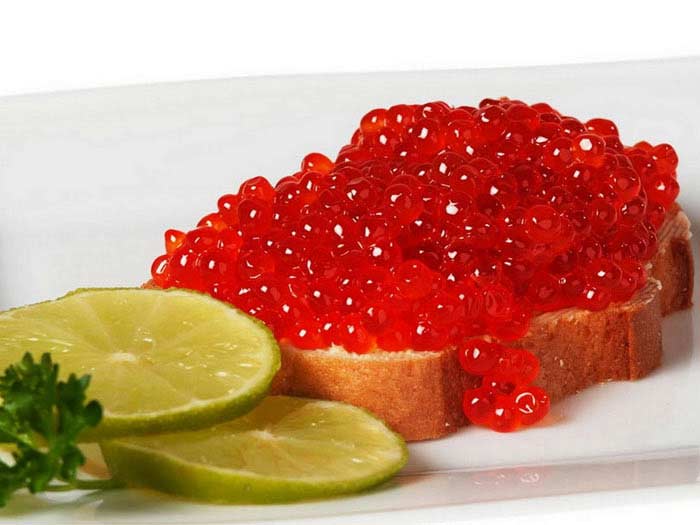
Red caviar is made from the roe of salmonid fish, including pink salmon, coho salmon, rainbow trout, sockeye salmon, chum salmon, and chinook salmon.
Sockeye salmon roe is known for its deep red color and distinctive flavor. Coho salmon roe is generally orange-red and has a rich taste. Pink salmon roe is widely available commercially, with orange eggs that are typically medium-sized. Chum salmon produces relatively large, orange eggs and is often prized for its appearance and delicate flavor.
What makes an ideal fish egg? Many people prefer roe that is evenly sized, pleasantly salty, and free from an overpowering fishy smell. Good-quality roe should have an appropriate texture for its species and processing method. However, the presence of a visible embryo is not a universal quality requirement, and tests such as placing roe in hot water cannot reliably establish its quality or authenticity.
3 Lobster roe
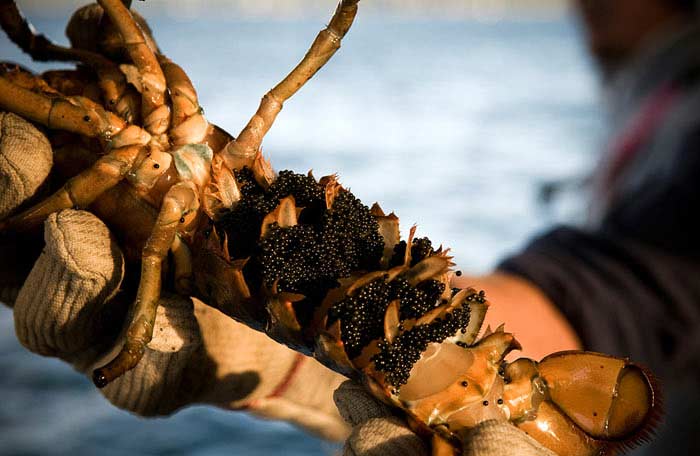
Lobster roe is a delicacy that can be found in fine-dining restaurants. The eggs are often dark or greenish when uncooked and turn a bright red-orange when heated. In culinary descriptions, the term “coral” can refer to lobster roe or, in some cases, the lobster’s digestive gland, so the two should not be confused. Lobster roe has a distinctive seafood flavor and can be used in sauces and other dishes. Its nutritional composition varies, so claims that it consists of 95% protein or is especially easy to digest should not be accepted without specific supporting data.
4 Snail caviar
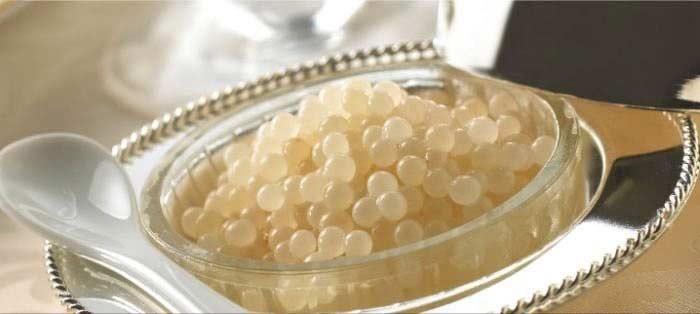
Snail caviar is a luxury food made from the eggs of certain land snails, particularly farmed edible species. Its eggs are usually pale white or cream-colored and can resemble tiny pearls. The flavor is often described as earthy, delicate, or mushroom-like, although it differs from genuine sturgeon caviar.
Producing snail caviar is labor-intensive because the eggs must be collected and carefully processed. Prices vary by producer and quality, and older reports of prices such as $115 for 50 grams should not be assumed to reflect current market prices. The claim that a grape snail lays eggs only twice a year, producing exactly three grams in total, is not a reliable universal rule.
5 Flying fish roe (tobiko)
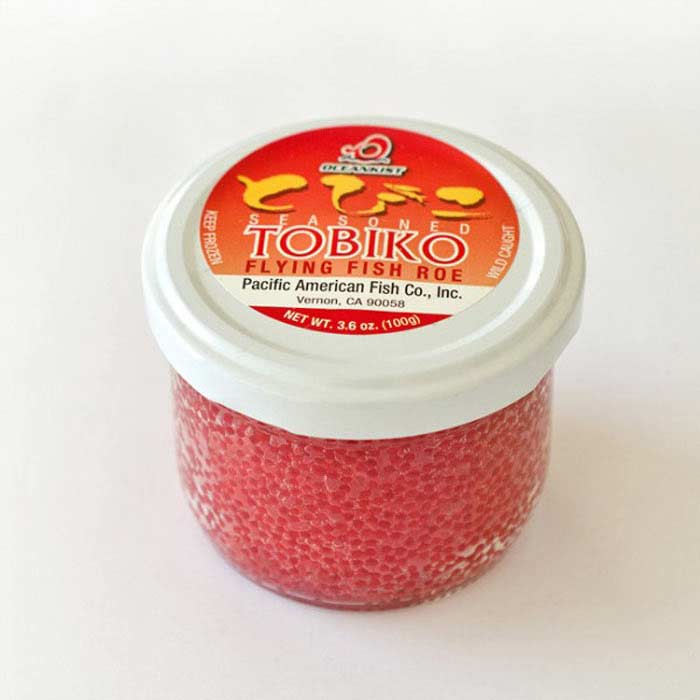
Tobiko is the roe of flying fish and is widely used in Japanese cuisine, particularly as a topping for sushi and rolls. The eggs are small and crunchy, with a mildly salty flavor. Tobiko is naturally orange to reddish-orange, but commercially prepared versions may be colored or flavored to create green, black, yellow, or other varieties. Green tobiko may be flavored with wasabi, while black versions can contain squid ink. Tobiko provides protein and other nutrients, but there is no evidence that it is indispensable in the diets of athletes or astronauts.
6 Frog eggs
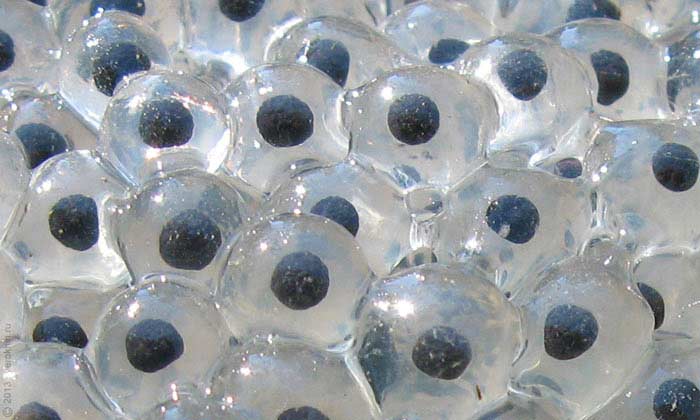
Frog eggs are unusual compared with the roe commonly served in restaurants. Frog spawn typically consists of eggs surrounded by a gelatinous coating, which makes it very different in appearance and texture from sturgeon caviar. Frog eggs are not a standard luxury food, and claims that a 100-gram jar regularly sells for around $100 are not supported by reliable evidence. They should not be confused with fish roe, and wild frog eggs should never be collected or eaten without appropriate knowledge of the species, local wildlife regulations, and food-safety risks.
7 Sea urchin roe (uni)
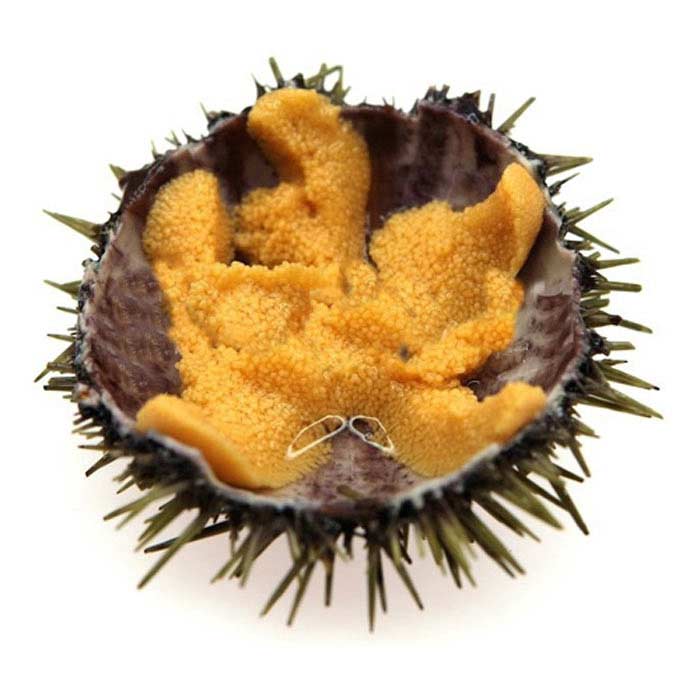
Sea urchin is a prized delicacy in Japanese cuisine, where it is known as uni. The edible portions are the animal’s reproductive organs, commonly called roe, although they are not eggs in the same sense as fish roe. Uni ranges in color from pale yellow to deep orange and has a creamy texture. Its flavor is often described as rich, briny, slightly sweet, and buttery, with a distinctive taste of the sea. It is popular in sushi, sashimi, pasta, and other seafood dishes.
8 Trout roe
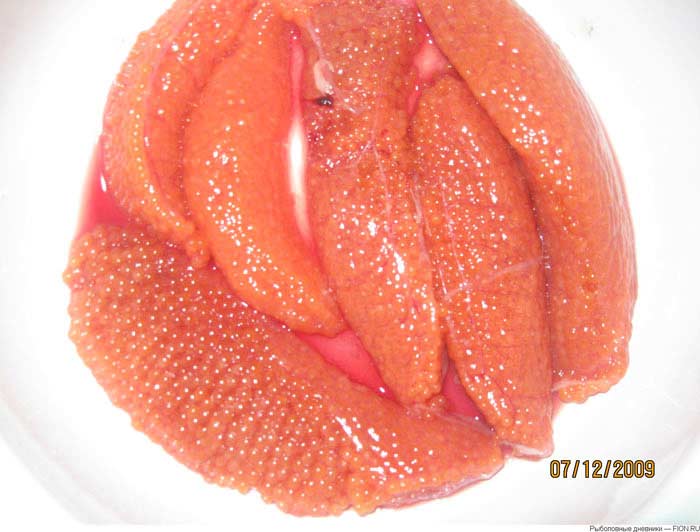
Trout roe usually has a golden-orange or reddish-orange color and consists of relatively large, glossy eggs. Its flavor is mildly briny, and the eggs release a pleasant burst when bitten. Trout roe is often served on toast, canapés, or blinis, sometimes accompanied by cream cheese, sour cream, or crème fraîche. Its saltiness depends on how it has been cured and prepared.
9 Pike roe

Pike roe is a traditional delicacy in parts of Europe and Russia. Its small, golden eggs have a distinctive flavor and are often served salted or spread on bread. Historically, fish roe was valued as a delicacy, although the claim that pike roe was reserved exclusively for monarchs and nobles is an exaggeration. Today, pike roe is available in some markets and specialty food shops. It offers an alternative to more expensive sturgeon caviar, although its taste and texture are different.
10 Capelin roe (masago)
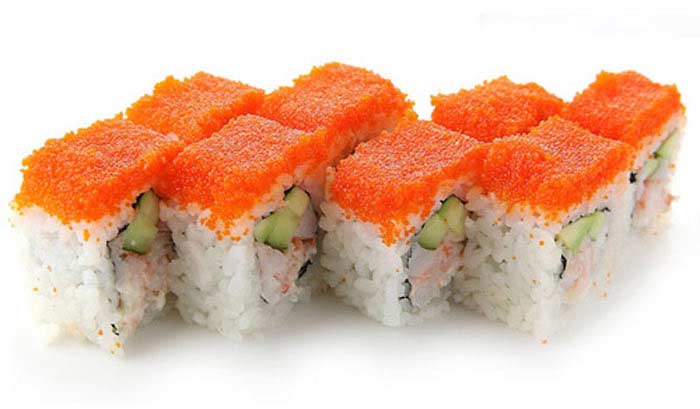
Masago is the roe of capelin, a small fish found in cold northern waters. It is widely used in Japanese cuisine, particularly in sushi rolls and other dishes. The eggs are very small and have a mild, slightly salty flavor. Commercial masago is often colored orange, red, green, or black to enhance its appearance. It is generally less expensive than tobiko, the roe of flying fish, and tends to have a softer texture.
Like other fish roe, masago provides protein and certain vitamins and minerals. However, claims that it directly strengthens the immune system, removes toxins, or keeps blood vessels in good condition are too broad to be supported by the food alone.
As you can see, there are many varieties of roe to explore, each with its own flavor, texture, and culinary traditions. The choice is yours. Whatever you choose, remember: “Caviar is not just something to eat; it is something to savor!”