A walk through the quiet halls of a natural history museum can be a great way to spend a hot day. But jokes aside, natural history museums have always attracted enormous curiosity from people of all ages. For many scientists, the fascination with prehistoric life began in halls just like these. So where can you take a child who might one day make that life-changing decision to become a scientist? Here are ten museums and collections where the fossil record takes center stage.
1 American Museum of Natural History (New York)
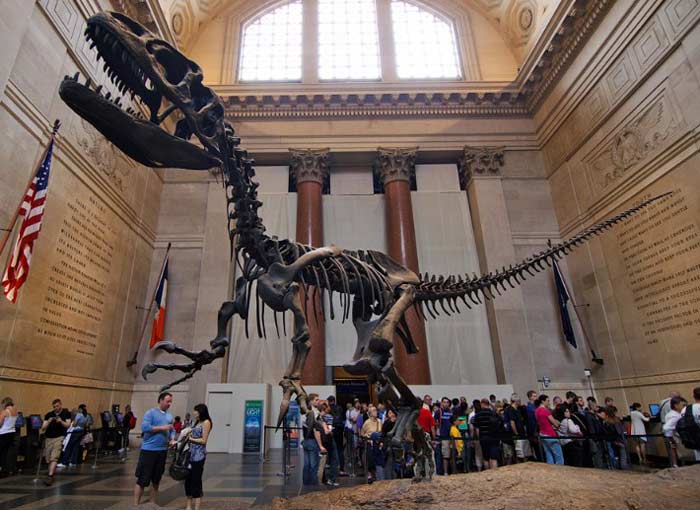
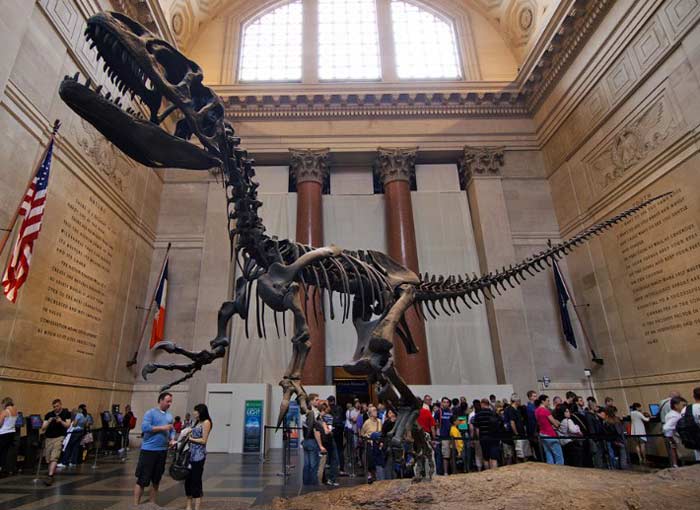
The American Museum of Natural History has one of the world’s great paleontological collections. Its fossil collections contain an estimated 5 million specimens, covering fossil invertebrates, mammals, reptiles, amphibians, birds, fish and fossil plants. The museum’s fossil invertebrate collection alone contains about 5 million specimens, while its vertebrate paleontology collections contain more than 1 million fossil specimens. Only a small fraction can ever be displayed in the galleries, making the storage rooms behind the scenes just as impressive as the exhibition halls.
2 Royal Belgian Institute of Natural Sciences (Brussels)
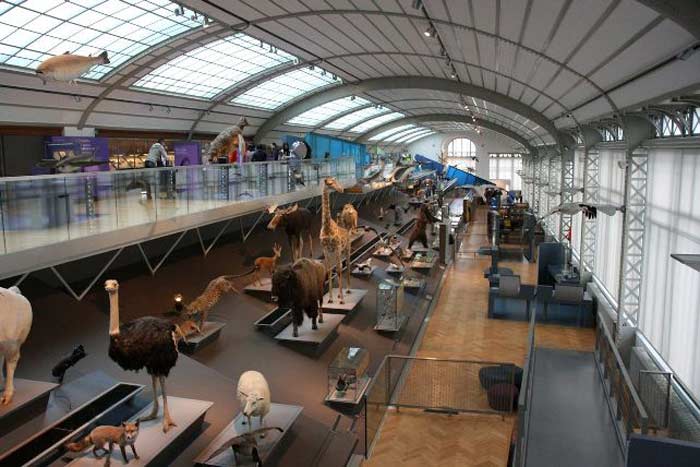
The Royal Belgian Institute of Natural Sciences houses more than 3 million fossils, including vertebrates, invertebrates and plants. Its most famous treasures are the Bernissart Iguanodons: around 30 relatively complete skeletons discovered deep underground in a coal mine in Belgium at the end of the 19th century. Their remarkable preservation made it possible to reconstruct these dinosaurs in lifelike poses.
3 Western Australian Museum (Perth)
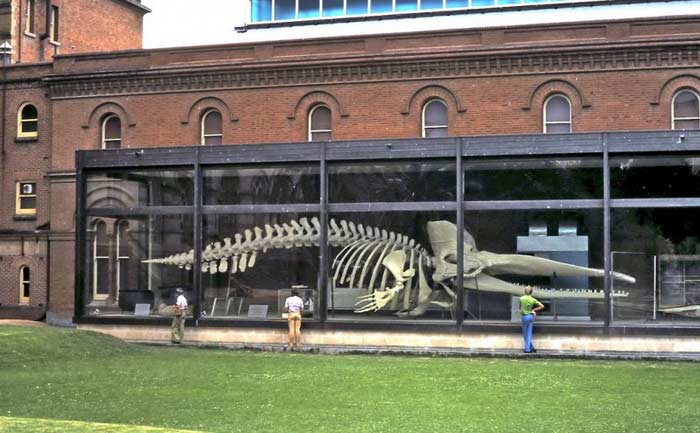
The Western Australian Museum’s paleontology collection contains approximately 1.5 million specimens, including vertebrate and invertebrate fossils, fossil plants, microbialites and trace fossils. The collection covers around 3 billion years of Earth’s history. Among its remarkable specimens are 380-million-year-old fossil fish from the Gogo Formation, some of which preserve three-dimensional structures and even evidence of embryos.
4 Museum of Natural History (Berlin)
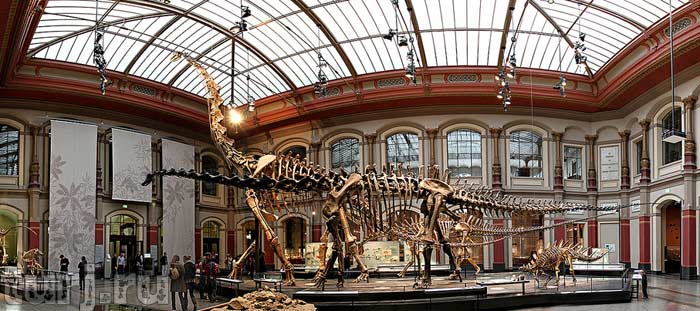
Berlin’s Museum für Naturkunde holds extensive fossil collections covering vertebrates, invertebrates and plants. Its paleontological treasures include spectacular dinosaur fossils from the Tendaguru excavations in present-day Tanzania and the famous Berlin specimen of Archaeopteryx lithographica, acquired by the museum in 1880. Archaeopteryx is an important early bird and a key fossil for understanding the evolutionary transition between non-avian dinosaurs and birds.
5 Field Museum of Natural History (Chicago)
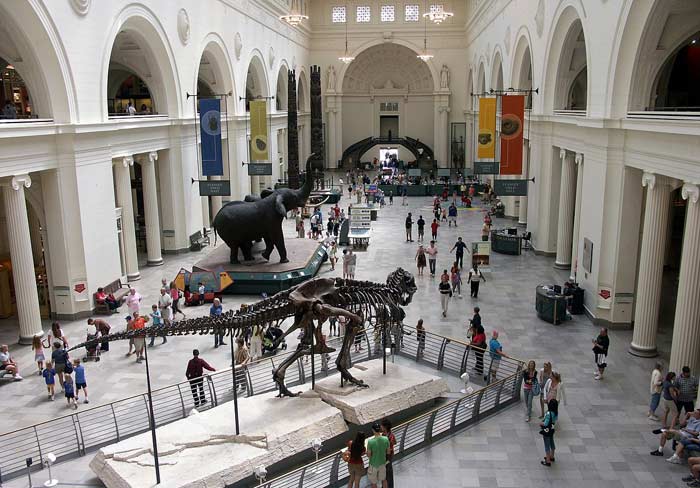
The Field Museum has enormous scientific collections, including about 2 million fossil invertebrate specimens. But its most famous fossil celebrity is SUE, one of the most complete and largest known Tyrannosaurus rex specimens. SUE is about 40.5 feet (12.3 meters) long and approximately 90% complete by bone volume. Although another T. rex, Scotty, may have been more massive, SUE remains one of the most spectacular dinosaur fossils ever discovered.
6 Natural History Museum (London)
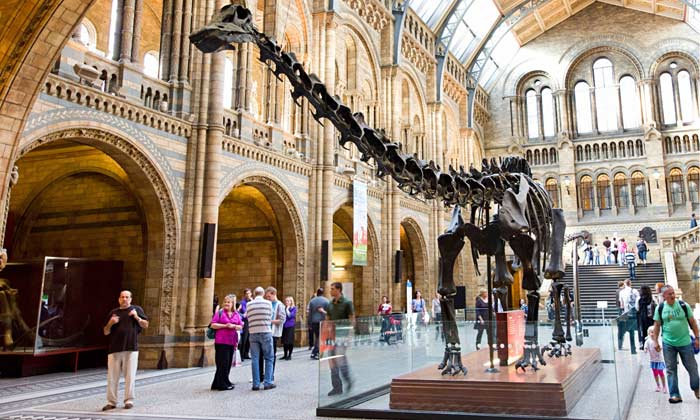
London’s Natural History Museum has more than 7 million paleontological specimens, including fossils of vertebrates, invertebrates and plants. Its marine reptile collection contains important ichthyosaur and plesiosaur fossils, including the first articulated plesiosaur ever discovered. The museum also holds an enormous fossil mollusc collection with more than 5 million specimens.
7 Royal Tyrrell Museum of Palaeontology (Alberta)
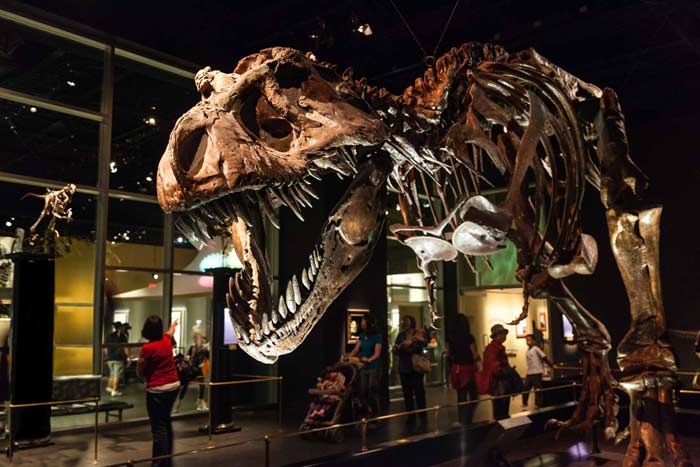
The Royal Tyrrell Museum in Alberta has one of the world’s richest dinosaur research collections. Its collections contain more than 160,000 fossil vertebrate, invertebrate, plant and geological specimens, including more than 350 holotypes. Only around half of one percent of the collection is on display at any given time, while thousands of new specimens are added every year.
8 Zigong Dinosaur Museum (Dashanpu)
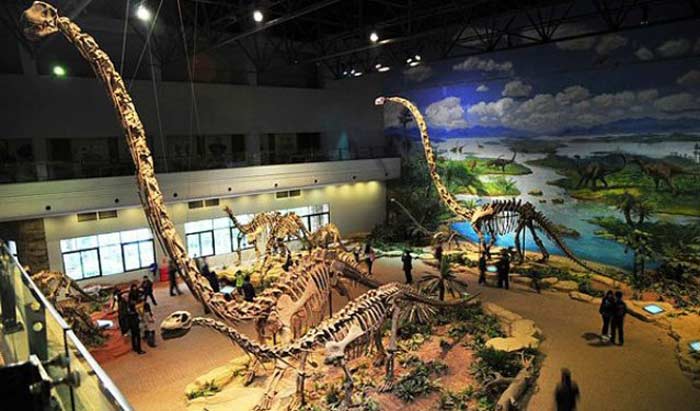
The Zigong Dinosaur Museum in Sichuan, China, was built directly above one of the world’s most important Middle Jurassic dinosaur fossil sites. The Dashanpu fossil beds contain an extraordinary concentration of dinosaur remains, with many specimens preserved in place, layer upon layer. The museum describes itself as having the world’s largest collection and display of Jurassic dinosaur fossils, while the nearby fossil site is internationally recognised for its exceptional concentration and diversity of Middle Jurassic dinosaurs.
9 Iziko South African Museum (Cape Town)
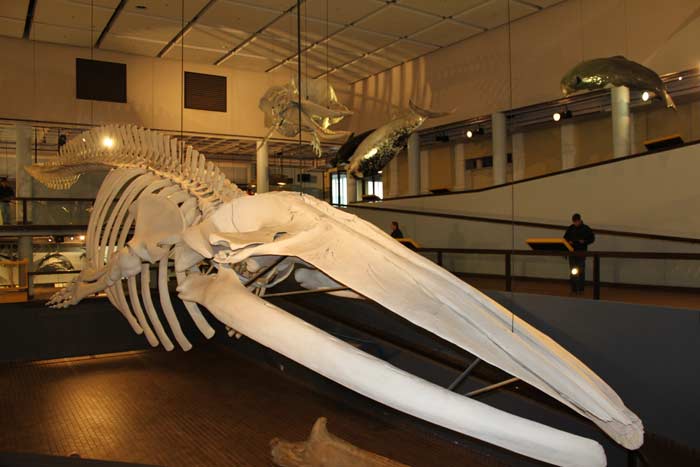
The Iziko South African Museum houses more than 1.5 million scientifically important specimens, ranging from fossils to insects and fish. Its paleontology collections are particularly important for understanding the ancient ecosystems of southern Africa. The Karoo palaeontology collection alone contains around 10,000 vertebrate fossils, many of them dating from the Permian and Early Jurassic and representing some of the most important stages in the evolution of land vertebrates.
10 Wyoming Dinosaur Center (Wyoming)
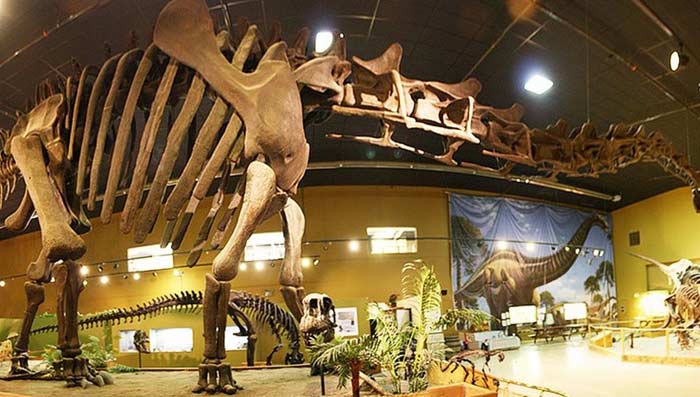
The Wyoming Dinosaur Center is one of the world’s major museums devoted primarily to dinosaurs. Its collection and exhibitions include more than 70 mounted dinosaur skeletons, hundreds of displays and dioramas, and the famous “Thermopolis Specimen” of Archaeopteryx. Another highlight is “Jimbo,” a mounted Supersaurus and one of the largest dinosaurs ever put on display. Visitors can also explore an active preparation laboratory and participate in fossil-digging experiences, making the museum much more than a collection of glass cases.