What makes a drug dangerous? Is it the chance of overdose, the risk of addiction, the damage it causes to the body, or the harm it can cause to families and society?
There is no single answer. In fact, one of the most famous scientific attempts to answer this question produced some surprisingly controversial results.
In 2007, researchers led by Professor David Nutt published a study in The Lancet that attempted to assess the overall harm caused by 20 psychoactive substances. Instead of looking only at overdose deaths, the researchers considered multiple factors, including physical harm, dependence and social harm. A panel of experts then scored the substances using a nine-category assessment system.
The resulting list was striking: heroin and cocaine occupied the top two positions, but legal substances such as alcohol and tobacco also appeared among the ten most harmful substances.
1 Heroin — 2.75/3

Heroin is a semi-synthetic opioid derived from morphine. It acts rapidly on the brain’s opioid receptors and can produce intense euphoria, followed by sedation and respiratory depression.
Its combination of strong dependence potential and high overdose risk explains why it received the highest score in the 2007 expert assessment. Opioids remain the most lethal major drug group globally: UNODC estimates that they account for approximately two-thirds of deaths directly related to drug use.
The modern opioid crisis has also changed considerably since the original article was published. In North America, illicit fentanyl has become a major driver of overdose deaths, while highly potent synthetic opioids known as nitazenes have emerged in several regions.
2 Cocaine — 2.25/3
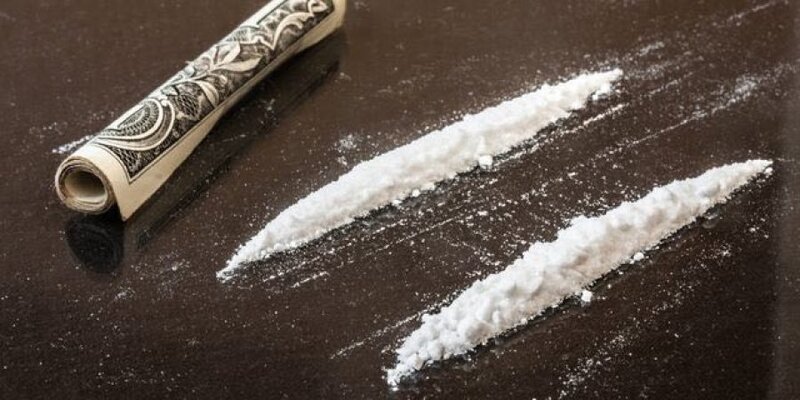
Cocaine is a powerful stimulant derived from coca plants. It can temporarily increase alertness and energy, but it also raises heart rate and blood pressure and can contribute to serious cardiovascular and neurological complications.
The 2007 expert panel placed cocaine second in overall harm, although the researchers emphasized that the ranking depended on the particular assessment method. More recent UNODC data show that cocaine remains a major source of drug-related harm worldwide, and the 2026 World Drug Report identifies cocaine as the second most commonly detected substance in toxicological findings associated with direct drug-related deaths, behind opioids.
3 Barbiturates — 2.10/3
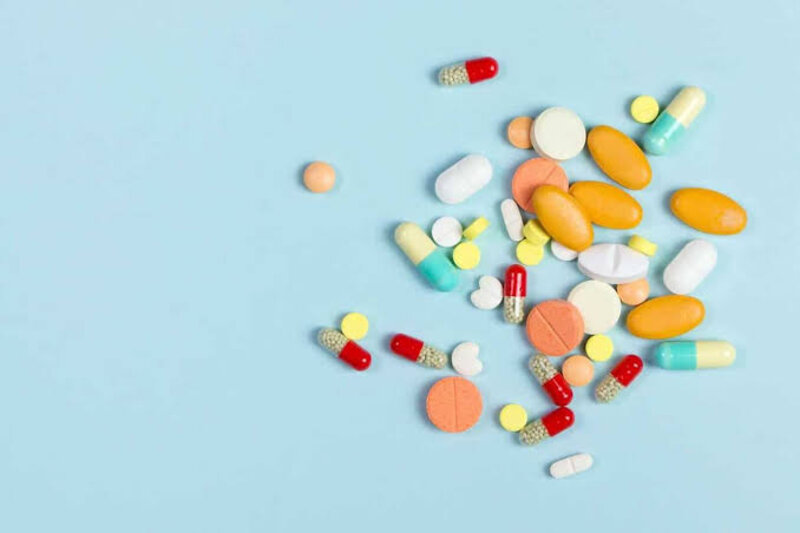
Barbiturates are a class of sedative drugs that were once widely prescribed for anxiety and insomnia. They can strongly depress the central nervous system, and excessive doses can cause coma and fatal respiratory depression.
Their medical use has declined dramatically because newer medicines generally have a wider safety margin. Nevertheless, the 2007 expert assessment placed barbiturates surprisingly high, at 2.10 out of 3.
4 Street Methadone — 1.90/3
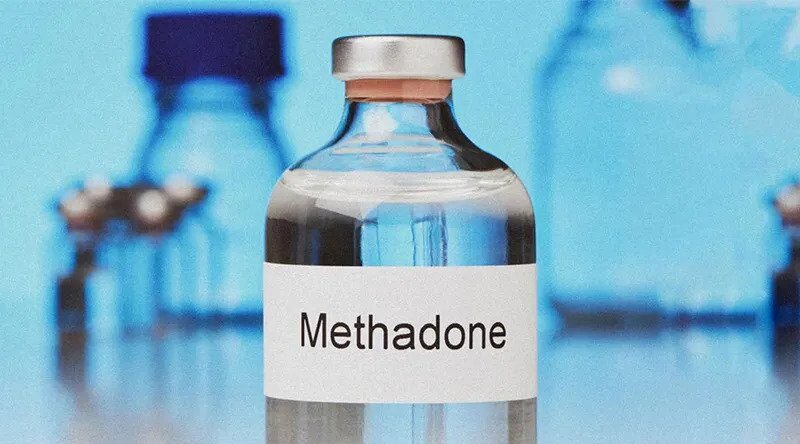
Methadone is a long-acting opioid that has an important medical role in the treatment of opioid use disorder and in pain management. It is not simply an illicit version of heroin, as the original article implied.
The risk described in the 2007 study concerned illicit or non-medical use of methadone. Because methadone is a potent opioid, overdose can occur, particularly when it is taken incorrectly or combined with other depressant substances.
The distinction between medical methadone treatment and illicit use is important: methadone is also an evidence-based medication used to reduce illicit opioid use and overdose risk when provided through appropriate treatment programs.
5 Alcohol — 1.85/3

This is where the list gets really interesting.
Alcohol is legal in many countries, socially accepted and consumed by hundreds of millions of people. Yet the 2007 researchers placed it fifth, ahead of many illegal drugs.
And subsequent research went even further. In a 2010 analysis using a more detailed multicriteria model, the same research group ranked alcohol as the most harmful drug overall, ahead of heroin and crack cocaine. The researchers considered both harm to users and harm to other people.
Current WHO data reinforce just how large the public-health impact of alcohol is. The latest global estimates attribute approximately 2.6 million deaths per year to alcohol consumption, based on 2019 data.
6 Ketamine — 1.80/3
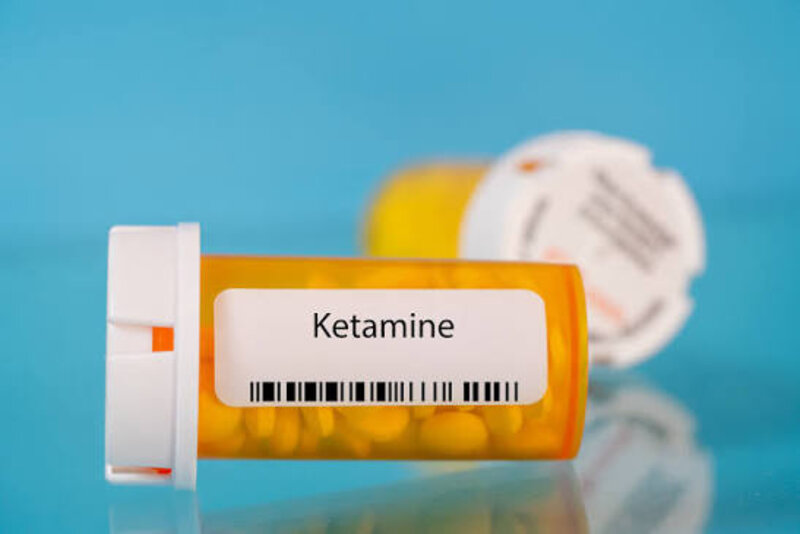
Ketamine is a dissociative anesthetic with legitimate medical and veterinary uses. It can also produce profound alterations in perception and consciousness when misused.
The 2007 study included ketamine as a reference substance because, although it had legitimate medical uses, it was also being misused recreationally. Its score was 1.80 out of 3.
Unlike the original article’s wording, ketamine is not simply an anesthetic that becomes a hallucinogen when put into tablets. Its effects depend on the dose, route of administration and circumstances of use.
7 Benzodiazepines — 1.75/3
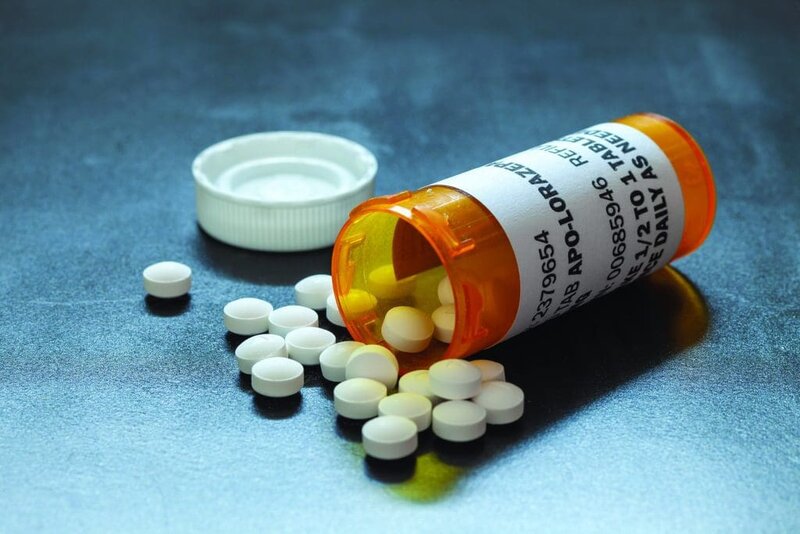
Benzodiazepines are prescription medicines commonly used to treat anxiety, insomnia, seizures and other conditions. They can be effective medications, but prolonged or inappropriate use can lead to dependence.
One of the biggest risks occurs when benzodiazepines are combined with opioids or other central nervous system depressants. Such combinations can increase the risk of respiratory depression and overdose.
The original article treated benzodiazepines primarily as recreational drugs, which is misleading. Their risks have to be considered alongside their legitimate medical uses.
8 Amphetamines — 1.70/3

Amphetamines are powerful central nervous system stimulants. Some amphetamine-based medicines are prescribed for conditions such as ADHD, while illicit amphetamine use can involve substantially different patterns and risks.
High or repeated doses can increase heart rate and blood pressure and may contribute to agitation, paranoia and other psychiatric effects.
The original 2007 assessment gave amphetamines a harm score of approximately 1.70 out of 3. Modern drug markets, however, have changed substantially, with methamphetamine and other synthetic stimulants now representing major sources of harm in many regions. UNODC estimates that around 31 million people used amphetamine-type stimulants worldwide in 2023.
9 Tobacco — 1.65/3

Another legal substance makes the list — and tobacco’s position deserves some context.
Nicotine is highly addictive, but the enormous health burden of tobacco comes largely from long-term exposure to toxic substances produced by tobacco products, particularly smoked tobacco. Smoking is strongly associated with cancer, cardiovascular disease, stroke and chronic respiratory disease.
The 2007 study gave tobacco a harm score of approximately 1.65 out of 3. Current WHO data show that tobacco remains one of the world’s largest preventable causes of death, killing more than 7 million people annually, including more than 1.6 million non-smokers exposed to second-hand smoke.
10 Buprenorphine — 1.55/3
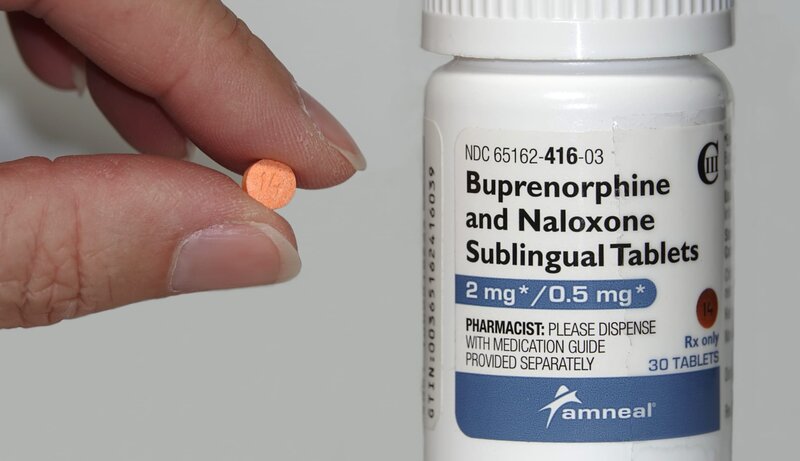
Buprenorphine is another case where the original article’s description is misleading.
It is a partial opioid agonist that is widely used as a medication for opioid use disorder and can reduce cravings and withdrawal symptoms. Unlike the original article’s claim that it is simply a more expensive alternative to methadone, buprenorphine has become an important evidence-based treatment in its own right.
Its inclusion in the 2007 ranking reflected the potential harms of misuse, not the overall value or safety of properly supervised medical treatment.
So, are these really the ten most dangerous drugs in 2026?
Not exactly.
This is a **historical ranking based on a 2007 scientific study**, not a current worldwide league table. The original researchers themselves noted that measuring drug harm is complicated and that their results differed substantially from the UK’s legal classification system.
Drug markets have also changed dramatically since 2007. Fentanyl and other synthetic opioids have become major causes of overdose deaths in North America, while nitazenes — an increasingly diverse group of extremely potent synthetic opioids — have emerged in several countries. UNODC’s 2026 data show that opioids remain the dominant group in direct drug-related deaths, while cocaine has moved into second place in toxicological findings reported by 66 countries.
Perhaps the most important lesson from the original study is therefore not the exact order of the substances. It is the fact that **legality and danger are not the same thing**. Alcohol and tobacco are legal in many countries, yet both create enormous health burdens. Conversely, several substances on the list — including methadone and buprenorphine — also have important medical applications.
The answer to “which drug is the most dangerous?” depends heavily on what kind of harm is being measured: overdose risk, addiction, chronic disease, mental-health effects, harm to other people, or the total burden on society. That is why different scientific models can produce different rankings.