“I know your magic, olive tree, you draw blood from the earth for the world.”
Federico García Lorca (Spanish poet)
The fruit of the olive tree – the olive – has been cultivated for thousands of years and has played an important role in the cultures of the Mediterranean and the Near East. Archaeological evidence indicates that olive cultivation began more than 7,000 years ago. Olives and olive oil have been used as food, medicine, fuel, cosmetics and in religious ceremonies. Here are ten interesting facts about this remarkable fruit and the tree that produces it.
1Athena and the olive tree
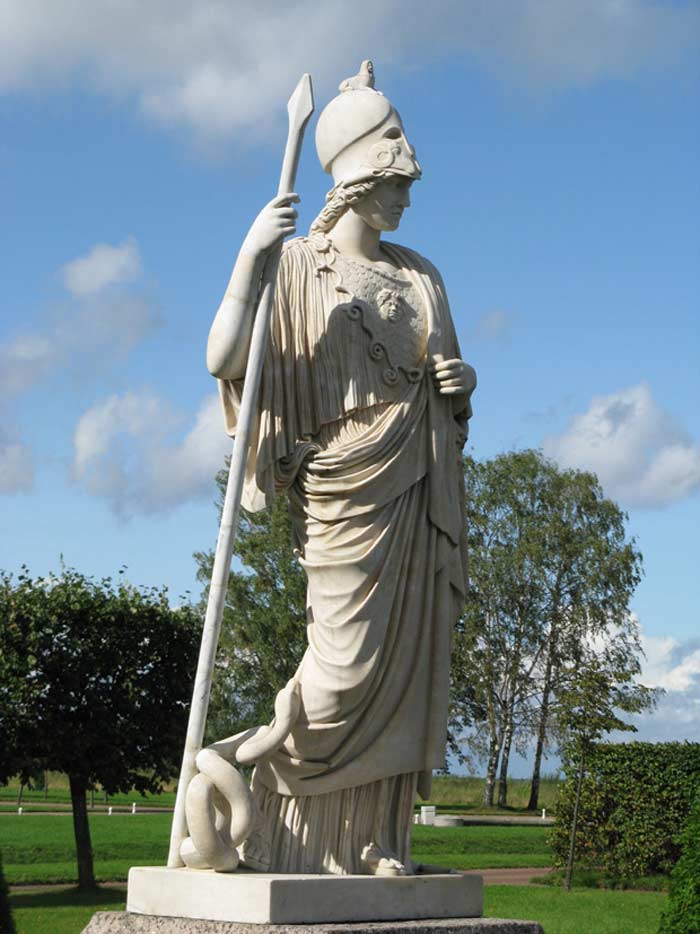
According to Greek mythology, Athena and Poseidon competed for control of Attica. Poseidon struck the ground with his trident and produced a spring, while Athena planted an olive tree. The gods judged Athena’s gift more useful, and she became the patron goddess of Athens. The olive tree consequently became one of the most important symbols of the city and of ancient Greek culture.
2Goddess Isis 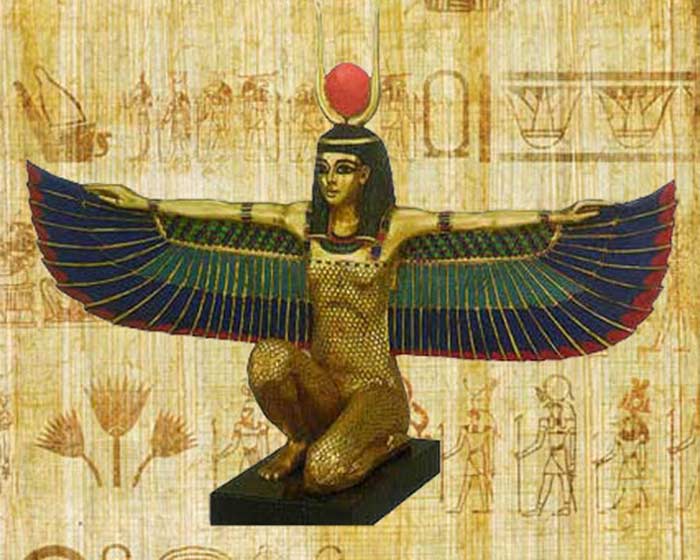
Olive cultivation was also known in ancient Egypt, where olive oil was used for food, lighting, cosmetics and religious purposes. Later traditions have associated the goddess Isis with the discovery or introduction of various plants, but the specific claim that Isis was the “discoverer” of the olive is better treated as mythology rather than established historical fact.
3More than 7,000 years

Olive cultivation began more than 7,000 years ago. The olive tree, Olea europaea, is native to the Mediterranean region and western Asia, and its cultivation gradually spread throughout the Mediterranean world. The International Olive Council also dates the beginnings of olive cultivation to more than 7,000 years ago.
4About 11 million hectares
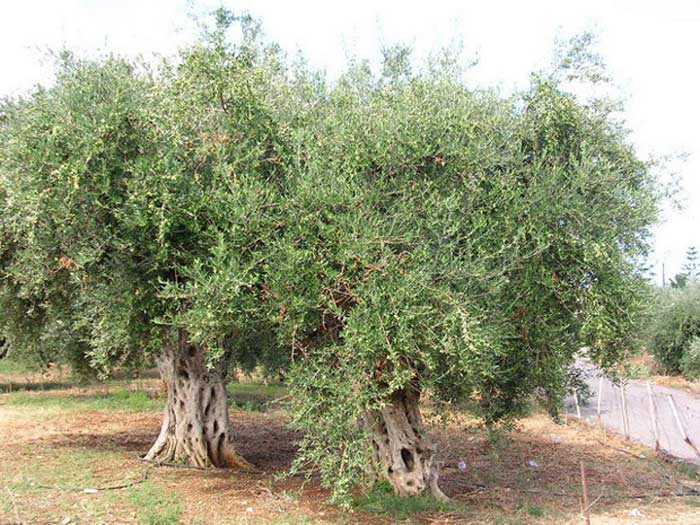
Olive groves now cover roughly 11 million hectares worldwide. The exact figure varies depending on the year and the statistical source, but the modern olive-growing area is far larger than the 1 million hectares stated in the original version. Olive trees are cultivated in more than 50 countries, with the Mediterranean region remaining the main center of production.
5Ancient medicine

Olive oil has been used for medicinal and cosmetic purposes since antiquity. Ancient Greek and Roman physicians wrote about its uses, and olive oil was applied to the skin, used in preparations and included in traditional medical practices. However, the original claim that Aristotle regarded the study of olive oil’s health properties as a separate science is not supported by reliable historical evidence.
6Olive oil and sun-exposed skin

Some laboratory research has investigated whether compounds in olive oil can reduce oxidative damage caused by ultraviolet radiation. Experiments in mice have produced interesting results, but this does not establish that applying olive oil to human skin after sun exposure prevents skin cancer. Dermatologists recommend proven sun-protection measures such as broad-spectrum sunscreen, protective clothing and shade instead of using olive oil as a sunscreen or cancer-prevention treatment.
7Olive oil and sacred rituals
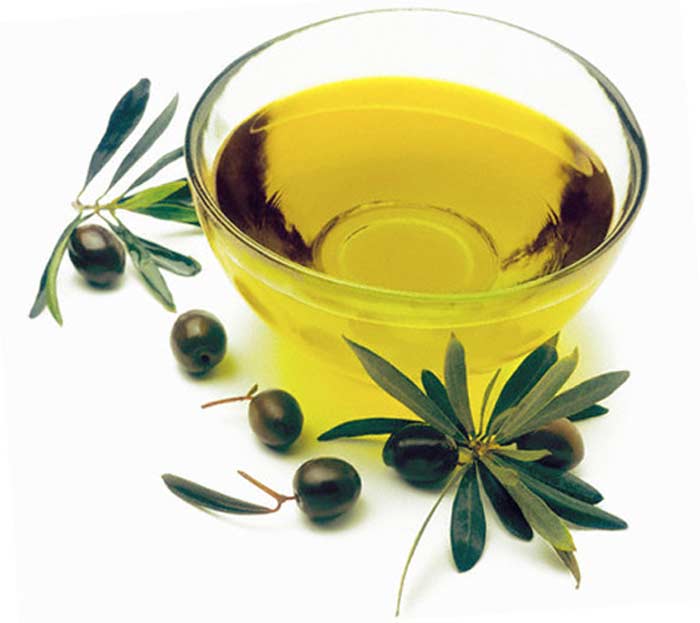
Olive oil has had a sacred role in many cultures and religions for thousands of years. It was used in religious ceremonies, lamps and anointing rituals in the ancient Mediterranean and Near East. In Christianity, consecrated olive oil is traditionally called chrism or holy oil and is used in several rites and sacraments.
8Raw olives are extremely bitter
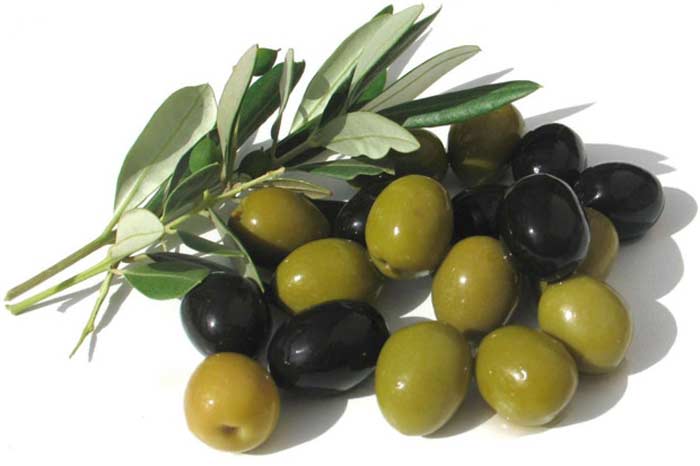
Freshly picked olives are generally far too bitter to eat because they contain oleuropein and other phenolic compounds. That is why table olives are normally cured using processes involving brine, water, dry salt, fermentation or other treatments that reduce their bitterness. Some varieties can be eaten when very ripe, but most olives still require processing before they become pleasant to eat.
9International Olive Council
The International Olive Council (IOC) is an intergovernmental organisation dedicated to olive oil and table olives. It was established in Madrid in 1959 under the auspices of the United Nations. The organisation promotes international cooperation, scientific research, technical standards, trade and the sustainable development of the olive sector.
10Olive trees can live for centuries
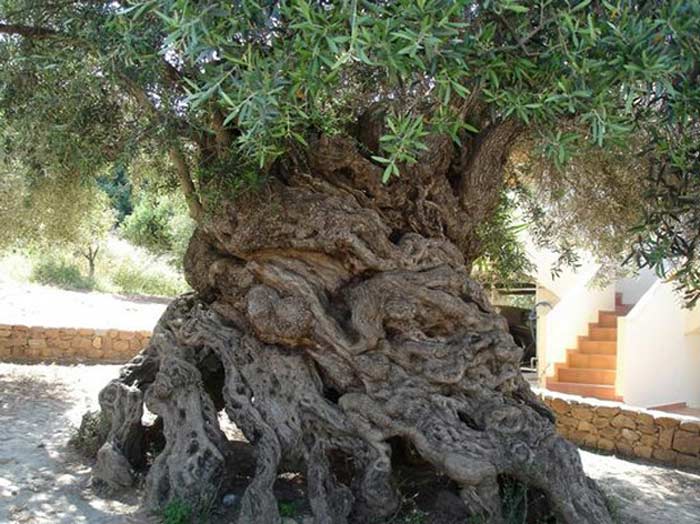
Olive trees are exceptionally long-lived and can survive for many centuries under suitable conditions. Some monumental trees are believed to be more than 1,000 years old, although determining the exact age of an old olive tree is difficult because the oldest wood in the hollow trunk often disappears. Scientific dating of several olive trees in the Garden of Gethsemane in Jerusalem found that the surviving trunks studied originated in the 12th century, making them roughly 800–900 years old rather than 2,000 years old.
Olive oil also does not suddenly lose all of its beneficial properties after five months. Its quality and antioxidant content gradually decline because of oxidation, heat, light and exposure to air. For the best flavor and quality, olive oil should be stored in a cool, dark place and consumed relatively soon after opening. UC Davis recommends looking for a recent harvest date and using opened oil within a few months for the best freshness.